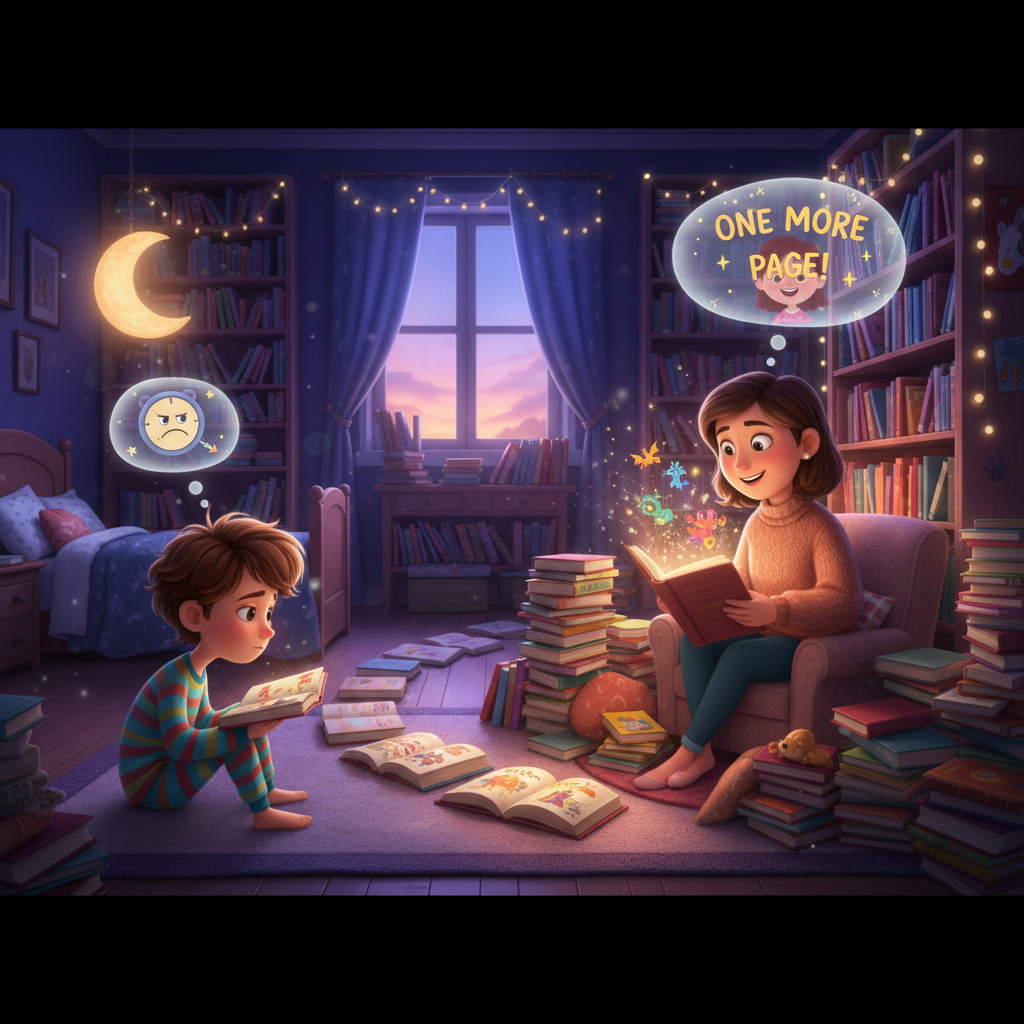
It’s 7:45 PM. You’ve successfully navigated the broccoli negotiations, managed the bath time flood, and finally wrestled your child into their pajamas. You pull a book from the shelf, hoping for a tender moment of connection, and then it happens. The heavy sigh. The eye roll. The dreaded question that makes every parent’s heart sink: **”Do I really *have* to read tonight?”**
If that scenario made you wince in recognition, please know you are not alone. As a developmental specialist, I’ve sat with hundreds of parents who feel guilty because their child doesn’t seem to possess that innate “love of reading” we all dream about. We envision our kids curled up in a window seat, lost in a magical world, but the reality often feels more like supervising homework.
Here is the truth: **Reading lovers aren’t born; they are built.** And the construction process doesn’t happen through force or strict charts. It happens in the quiet, consistent moments where we shift the dynamic from “requirement” to “reward.” Let’s walk through how to flip that script.
Before we dive into the *how*, we need to understand the *why*. When a child resists reading, they often view it as a mechanical task—decoding symbols on a page. But when a child falls in love with a story, something entirely different happens neurologically.
Research shows that deep reading is essentially a flight simulator for the mind. When your child reads about a character facing a fear or solving a problem, their brain lights up in the same regions as if they were experiencing it themselves. **This is the gym where empathy is built.**
Furthermore, reading for pleasure is the single biggest indicator of a child’s future success—more than their family’s socio-economic status. It builds:
One of the biggest mistakes well-meaning parents make is turning reading time into a pop quiz. *“What is that word? Sound it out. What just happened on this page?”* While these questions have a place in homework, they kill the joy of a bedtime story.
Instead, try a technique I call **Strewing**.
Think of it like leaving trails of breadcrumbs. Casually leave interesting reading material in places your child frequents, without saying a word about it. Place a graphic novel on the breakfast table. Leave a book of fascinating animal facts in the car seat pocket. Print out a short fable and leave it on their pillow.
**Curiosity cannot be forced; it must be caught.** When a child picks up a story because *they* found it, rather than because you handed it to them, the buy-in is instantaneous.
A common frustration I hear is, “My child can read, but they just refuse to.” Often, this is because their **listening level is higher than their reading level**. Their imagination craves complex plots (Harry Potter), but their reading ability is still stuck on simple sentences (The Cat in the Hat). This gap creates frustration.
Bridge this gap by continuing to read aloud to them, long after they can read for themselves. Or, use the “You Read, I Read” method:
Nine times out of ten, the suspense wins. They will pick up the book to finish the page.
We live in a high-speed world. Sometimes, the barrier to reading isn’t the child; it’s the logistics. You’ve read every book on the shelf three times. You don’t have time for a library run. It is so easy to hand over a tablet because the content is *right there*.
But we know the blue light disrupts sleep and the dopamine hits from games make books feel “boring” by comparison. We need a middle ground: **Instant access to high-quality stories without the distraction of a device.**
This is why having a digital library that converts to the physical world is a game-changer. This is where our curated collection comes in.
We developed our **PDF Kids Fables** specifically for the parent who needs a fresh, engaging story *right now* but wants to keep the experience screen-free. You can download a new adventure in seconds and print it out.
There is something psychologically satisfying for a child about holding a printed page. It feels special. It feels official. Plus, you can:
* Let them color in the margins (ownership!).
* Read it together without email notifications popping up.
* Build a physical binder of “Stories We Conquered.”
Finally, let go of the literary snobbery. I give you full permission to let them read comics, graphic novels, magazines, or books about Minecraft.
**Reading is reading.**
If your child is obsessed with a specific video game, find a printed guide or story about that game. Use their existing obsessions as the hook. Once they realize that text contains the secrets to the things they love, the resistance fades. You can move from Minecraft manuals to adventure novels later. For now, just get their eyes on the page and their brains engaged.
transforming a reluctant reader doesn’t happen overnight. It is a slow burn. But one night, perhaps a few weeks from now, you will finish a story—maybe one of our printed fables or a dusty library book—and you will close the cover.
You’ll start to stand up to turn off the light, and you’ll hear a small, sleepy voice whisper: **”Wait. Just one more page?”**
And that, my friends, is the victory.