
Critical Thinking for Kids: Decoding the “Moral of the Story” Together
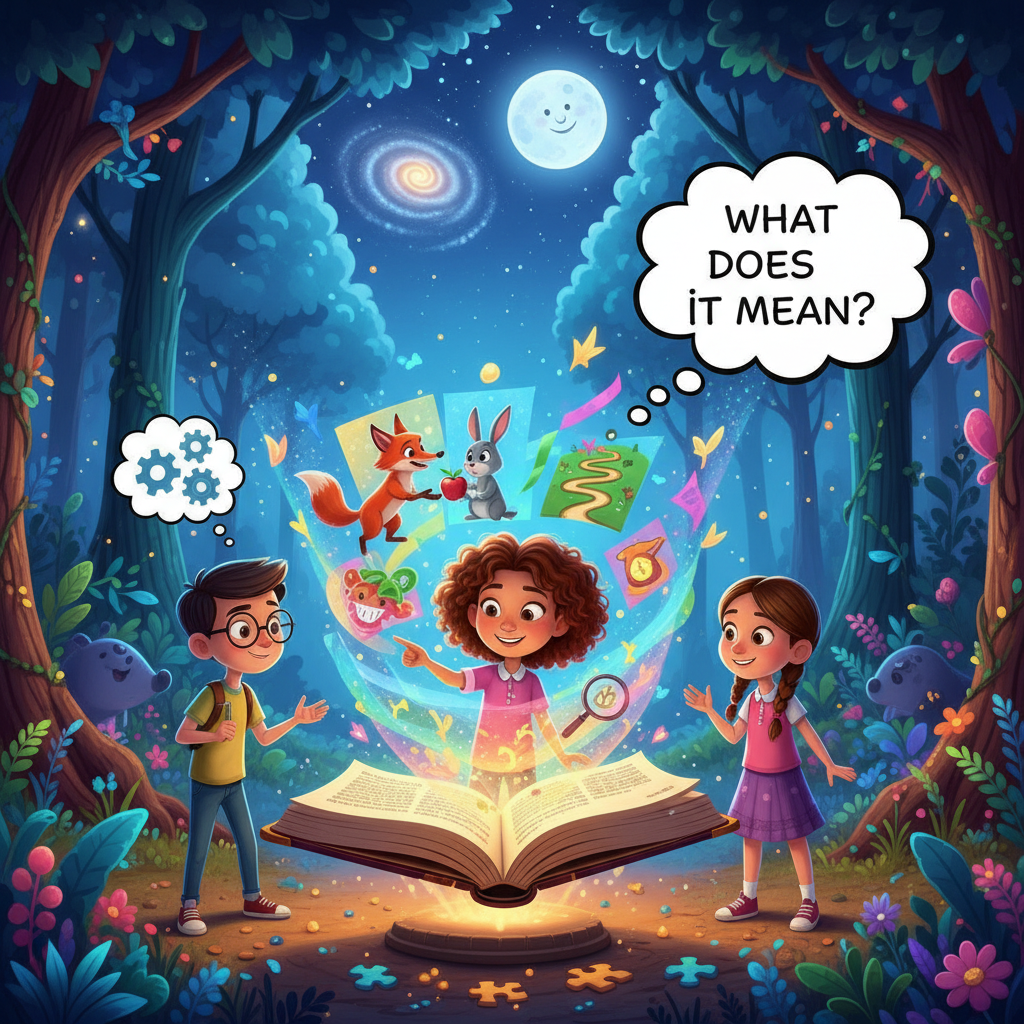
The “Blank Stare” Syndrome: Why Storytime is Your Secret Weapon
We have all been there. You are sitting on the edge of the bed, the room is dimly lit, and you have just finished reading a classic fable. You close the book with a satisfied sigh, feeling like you’ve just delivered a masterclass in ethics. You look down at your child and ask, “So, what did we learn from that story?”
And then… silence. Or, perhaps worse, they look at you with wide eyes and say, “The fox was fluffy!”
It can be disheartening. You want them to understand honesty, perseverance, or kindness. instead, they are focused on the illustrations or a funny sound effect you made. But here is the secret that took me a decade of child development work to fully grasp: this isn’t a failure; it’s an invitation.
That blank stare isn’t an absence of thought. It is a brain under construction, waiting for a scaffold to help climb to the next level of understanding. As parents, we often mistake reading to our children for teaching them. But the magic of critical thinking doesn’t happen during the reading; it happens in the messy, conversational decoding that comes after.
More Than Just a Lesson: The Brain Science Behind Decoding Stories
It is easy to think of “The Moral of the Story” as just a nice wrap-up, like a bow on a gift. However, from a neurological perspective, guiding a child to find the moral is a heavy-lifting workout for their developing brain. When we ask a child to step back and analyze a narrative, we are engaging their Executive Function skills.
Specifically, decoding a story requires three distinct cognitive leaps:
- Perspective Taking: The child must step out of their own shoes and imagine the motivations of a character (e.g., “Why was the Wolf so hungry?”).
- Pattern Recognition: They have to identify cause and effect. They need to connect a specific action (telling a lie) to a specific consequence (nobody believing you).
- Abstract Thinking: This is the hardest part. They must take a concrete scenario (animals in a forest) and apply it to an abstract concept (integrity or bravery).
When you actively decode a story together, you aren’t just teaching them not to lie. You are physically strengthening the neural pathways in the prefrontal cortex responsible for critical analysis and empathy. This is the difference between raising a child who follows rules because they are told to, and raising a child who follows rules because they understand why they exist.
Tip 1: The “Pause and Predict” Method
Most of us treat books like a race to the finish line, especially when we are tired and just want the kids asleep. However, critical thinking thrives in the pauses. To turn a story into a thinking tool, you need to disrupt the flow.
Try this tonight: Stop reading right before the climax of the fable. Close the book (keep your finger on the page!) and ask, “Wait a minute. Based on what the Tortoise just did, what do you think is going to happen next? Why?”
This forces your child to move from passive listener to active analyst. If they guess wrong? Even better. When you read the actual ending, ask them, “Oh! That was different than we thought. Why do you think the author chose that ending instead?” This validates their thinking process rather than just the “right answer.”
Tip 2: Play “Devil’s Advocate” (or The Villain’s Lawyer)
We tend to paint stories in black and white: The Hero is Good, the Villain is Bad. But real life—and true critical thinking—exists in the gray areas. To build emotional intelligence, challenge your child to defend the “bad” guy.
For example, if you are reading about a fox stealing grapes, ask:
- “I wonder if the fox had any food at home?”
- “Do you think he was trying to be mean, or was he just trying to solve a problem in the wrong way?”
- “What could he have done differently to get what he wanted?”
By doing this, you are teaching flexible thinking. You are showing them that actions have motivations, and that understanding the “why” is just as important as judging the “what.” This skill is invaluable when they eventually navigate playground conflicts or sibling rivalries.
Tip 3: The “Real World” Bridge
The “Moral of the Story” is useless if it stays trapped in the book. The ultimate goal of critical thinking is application. You need to build a bridge between the fable and your child’s actual life, but you have to be subtle. Kids can smell a lecture from a mile away.
Instead of saying, “See? This is why you should clean your room,” try sharing a vulnerability of your own. Say, “You know, this story reminds me of when I was at work today. I didn’t want to finish my report, just like the Grasshopper didn’t want to work. But I realized if I didn’t do it, I’d be stressed later.”
Then, pass the mic: “Have you ever felt like that?”
When they connect the dot themselves, the lesson sticks. The neural pathway is cemented because it is attached to an emotional memory of their own life.
Finding the Right Tools for the Job
Here is the reality check: doing this takes mental energy. As parents, our batteries are often drained by the time the bedtime routine rolls around. We want to engage in these deep conversations, but half the time we are scrambling just to find a book that isn’t based on a toy franchise or filled with questionable behavioral messages.
We also know that screens are the enemy of this type of deep thinking. When a child watches a moral play out on a tablet, the pacing is often too fast for them to reflect. They are dopamine-dazed, not critically engaged.
This is why having a curated library of high-quality narratives is essential. You need stories that are designed specifically to be “decoded”—tales with clear structures, relatable characters, and rich themes that naturally spark conversation without you having to force it.
The Screen-Free Solution for Busy Parents
We realized that parents didn’t need more advice; they needed better resources. That is why we developed our collection of PDF Kids Fables. These aren’t just random stories; they are classic, time-tested narratives optimized for modern critical thinking.
Because they are printable and screen-free, they eliminate the distraction of the device. You can print them out, hold them in your hands, and make notes in the margins. You can take them to dinner, use them on long car rides, or make them the centerpiece of your bedtime ritual.
With our PDF Fables, you don’t have to invent the lesson on the fly. We provide the rich narrative soil; you just have to plant the seeds of conversation. It’s the easiest way to upgrade your storytime from “entertaining” to “empowering” instantly.
Our books


-

The Bedtime Battle Reset: A 7-Day Parent Guide for Ages 2-8
$17.00 Add to cart -
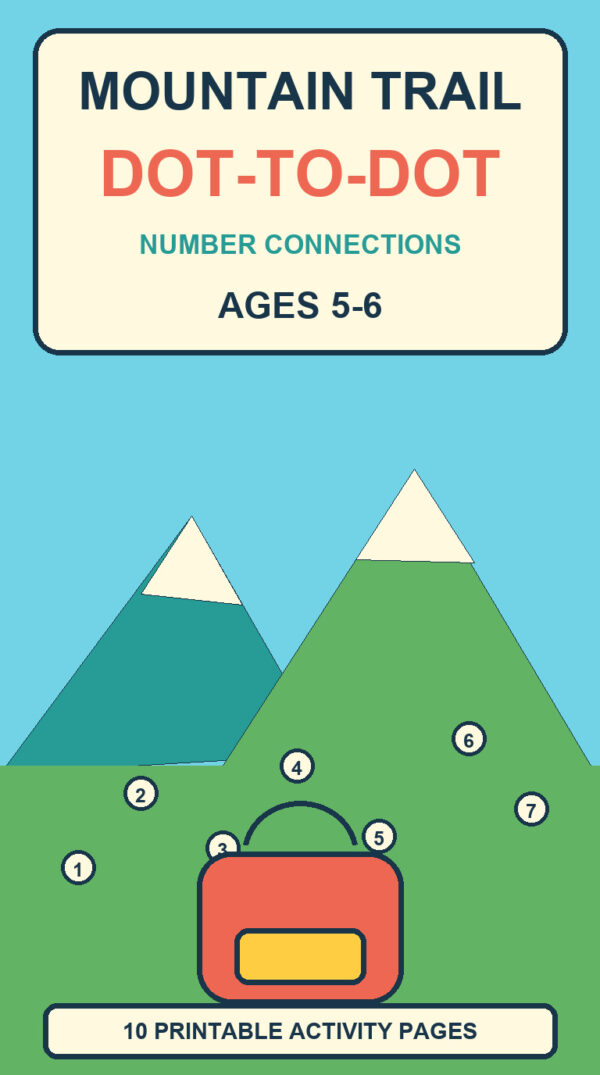
Mountain Trail Dot-to-Dot: Number Connections for Ages 5–6
$5.00 Add to cart -
Tiny Tails Baby Animal Parade – Printable Baby Animal Coloring Book for Kids Ages 3-8
$5.00 Add to cart -
Sprinkle Street Sweethearts – Printable Sweet Treat Coloring Book for Kids Ages 3-8
$5.00 Add to cart