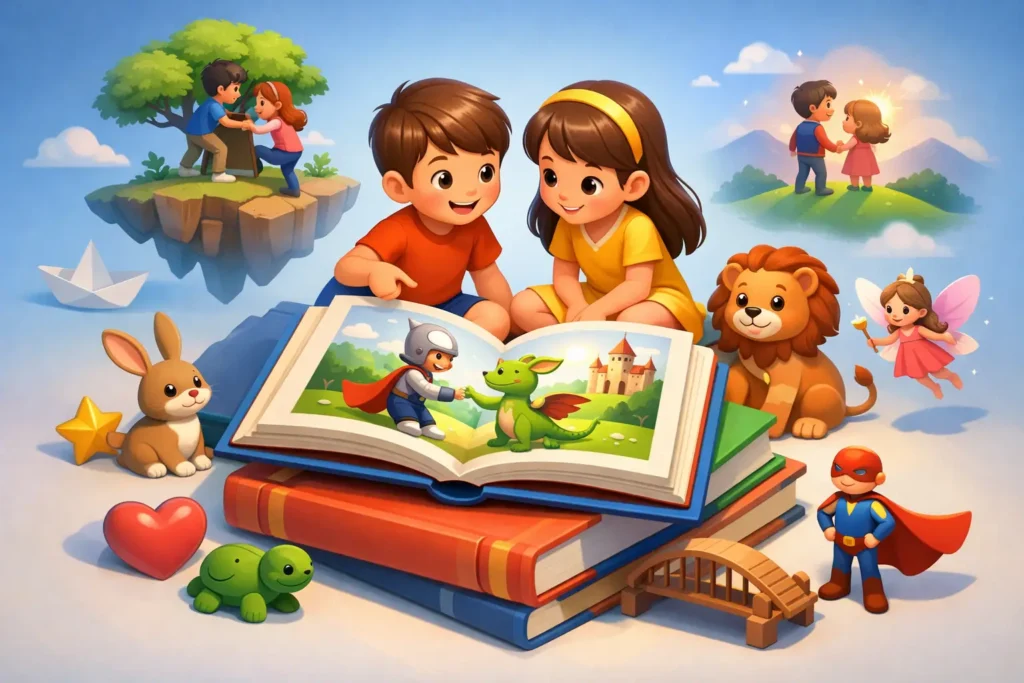
A child who has spent the evening arguing about a lost toy may not be ready for a lecture. But they may listen closely when a small fox in a story chooses to tell the truth, even when it feels hard. That is the quiet strength of moral storybooks: they give children a safe, memorable way to think about real choices without feeling singled out.
For parents, grandparents, and educators, a well-chosen story can make bedtime more than the last task of a busy day. It can become a calm moment of connection, language growth, and character learning. The lesson does not need to be heavy-handed to stay with a child. In fact, the best stories let children discover the lesson through the characters they come to care about.
Why Moral Storybooks Matter at Bedtime
Bedtime is one of the few parts of the day when many children are naturally ready to slow down. The lights are lower, distractions are fewer, and a familiar adult is nearby. Reading together in that setting helps children associate books with comfort and attention, which supports a lasting reading habit.
Looking for a calming bedtime activity?
Download our soothing coloring storybooks — 30+ delightful printable pages for children ages 3–8. Ready to print instantly for only $17.00!
Adding a thoughtful moral gives that routine another layer of purpose. A story about kindness can help a child consider how a classmate may feel. A story about diligence can make the idea of practicing or finishing a difficult task feel more understandable. A tale about fairness can offer words for a problem a child could not quite explain earlier in the day.
Stories also create just enough distance for learning. Rather than saying, “You should have shared,” an adult can ask, “What do you think the bear could have done differently?” Children are often more open when they are discussing a character’s decision first. Over time, they begin connecting those gentle conversations to their own lives.
The Lessons Children Remember Are Felt, Not Preached
Children do not need a long explanation after every page. They need an engaging plot, a character with a problem they can understand, and an ending that feels earned. When the lesson grows naturally from what happens in the story, it becomes part of the experience instead of an interruption.
For example, a story about honesty works best when telling the truth costs the character something meaningful, such as admitting a mistake or risking disappointment. The child sees that honesty can feel difficult and still be the right choice. A story about humility is stronger when the character learns to appreciate help from others, not simply when the book announces that bragging is bad.
This matters because young children learn through emotion, repetition, and examples. They remember the worried face of a character who made a poor choice, the relief that follows an apology, and the warmth of friends working together. Those details give abstract values a shape children can hold onto.
A Moral Should Match Your Child’s World
The right lesson depends on what a child is experiencing. Preschoolers may benefit from simple stories about sharing, patience, listening, and being kind. Early elementary children are often ready for more layered themes, including responsibility, fairness, courage, and making wise choices when friends disagree.
Nurture kindness & empathy tonight
Explore our gentle moral bedtime fables for children ages 3–8. Heart-warming character-building stories ready to read instantly for only $17.00!
There is no need to choose a book only because it teaches the biggest possible lesson. A child learning to wait their turn may gain more from a gentle story about patience than from a complex tale about leadership. The goal is not to rush character development. It is to offer language and examples that meet children where they are.
It also helps to revisit the same value through different stories. One book may show kindness through helping a neighbor, while another shows it through including someone who feels left out. Repetition builds familiarity, but variety helps children recognize that a value can guide many kinds of choices.
What to Look for in Moral Storybooks
A meaningful story should still feel like a story. Look for clear characters, a small but real conflict, and a satisfying resolution. Children are more likely to stay engaged when they can understand what the character wants and why the choice matters.
The language should fit your child’s listening or reading level. Short, vivid sentences work especially well at the end of the day, when tired children may struggle to follow a complicated plot. Illustrations, when included, can also help younger listeners notice feelings and predict what may happen next.
Pay attention to tone, too. Children need to see consequences, but they do not need frightening or shame-filled endings to learn. A warm story can show that mistakes matter while still leaving room for repair, forgiveness, and growth. That balance is especially valuable for bedtime, when children should leave the story feeling secure.
Digital PDF storybooks can be a practical choice for families and classrooms because they are ready when you need them. You can download a story, read it from a tablet or computer, or print pages for a cozy reading basket. For families who prefer less screen time before sleep, printing the story or using a device with notifications turned off can keep the focus on reading together.
Turn the Last Five Minutes Into a Conversation
You do not need a lesson plan to make story time meaningful. One or two simple questions are enough. After reading, try asking what the child liked about the character, what choice felt hardest, or what they might do in a similar situation.
Keep the conversation curious rather than corrective. If a child says they would have made the same poor choice as the character, thank them for being honest and ask what might happen next. This gives them room to think instead of trying to guess the “right” answer.
It is also helpful to connect the story to something positive from the day. You might say, “That rabbit kept trying even when the job was hard. I noticed you kept working on your puzzle today.” Specific encouragement helps children see values as skills they are already practicing, not rules they are always failing to meet.
For younger children, a brief follow-up activity can deepen the experience. They might draw their favorite part, act out the ending with stuffed animals, or choose a kind action for tomorrow. For older children, invite them to imagine a different ending or write a few sentences about what they learned. These ideas are optional, not extra homework. A peaceful cuddle and a favorite page are often enough.
Build a Bedtime Library With Purpose
A small collection of stories organized around values can make choosing a book easier when everyone is tired. Keep a few dependable favorites available, then rotate in new lessons as your child grows or faces new situations. A story about unity may be especially welcome before a family change, while a story about wisdom can support a child who is learning to pause before acting.
At Bed Time Kids Fables, each downloadable story is designed to pair a child-friendly adventure with a clear value such as honesty, kindness, humility, freedom, fairness, diligence, wisdom, or unity. That focused approach can help caregivers choose a story with intention while still giving children the imaginative experience they look forward to at night.
The most effective routine is one you can sustain. Some evenings will allow for questions, laughter, and a second story. Other nights may only leave time for a few quiet pages. Both count. What children carry forward is the dependable message that books are a place for comfort, wonder, and gentle guidance.
Tonight, choose a story with a value your child can recognize in their own small world. Read slowly, pause when they have something to say, and let the lesson settle beside the goodnight kiss. A caring conversation now may become the inner voice that helps them make a thoughtful choice later.

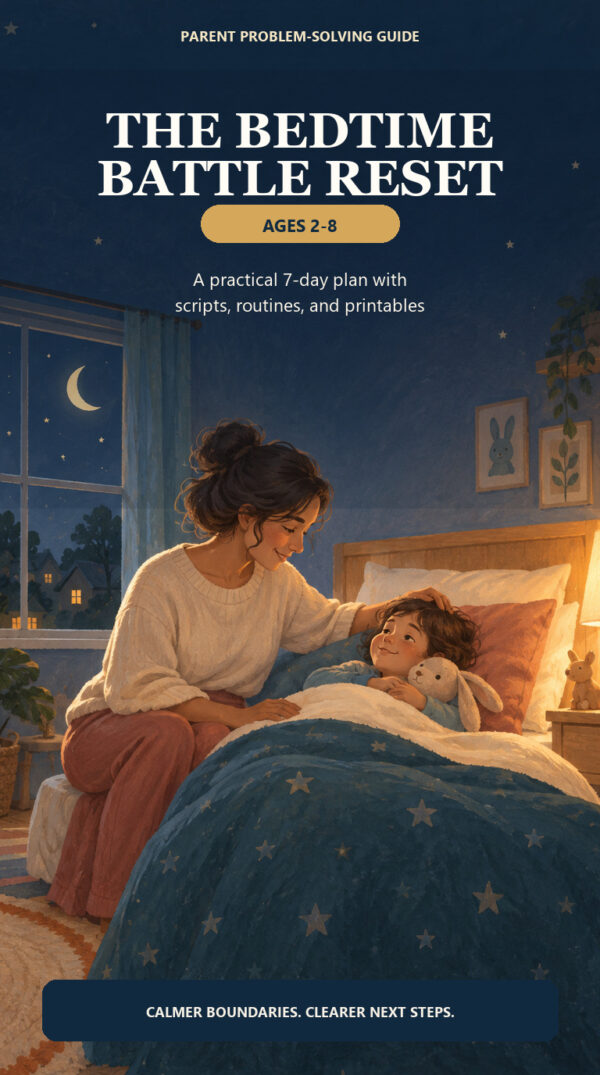
The Bedtime Battle Reset: A 7-Day Parent Guide for Ages 2-8
- Instant Downloadable & Printable PDF (Print at home or read on tablet)
- Soothing bedtime illustrations & gentle character-building moral
- Specially crafted for kids ages 3 to 8

-

The Bedtime Battle Reset: A 7-Day Parent Guide for Ages 2-8
$17.00 Add to cart -
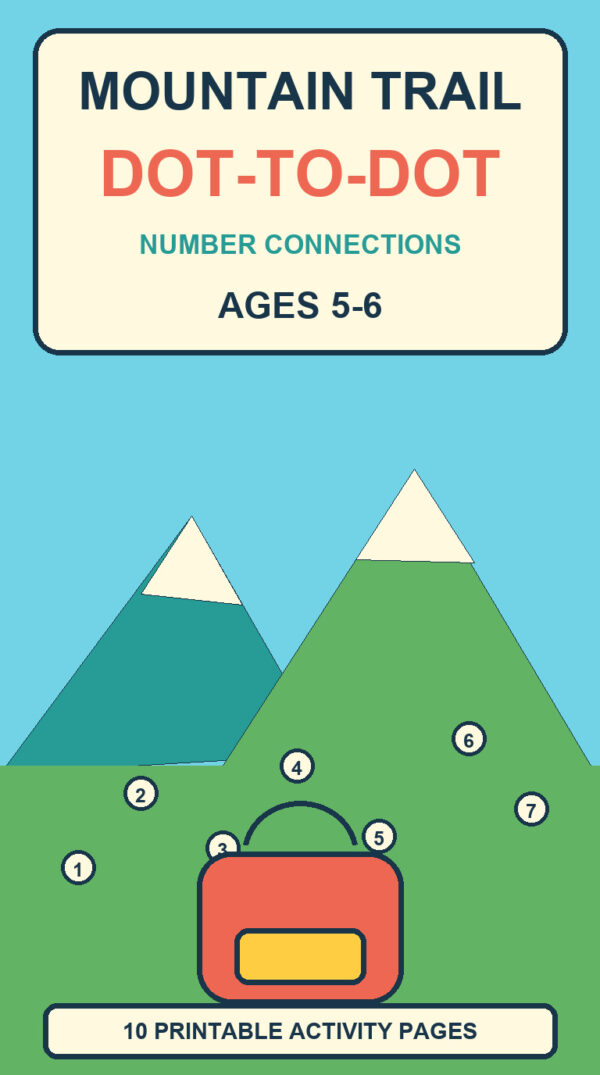
Mountain Trail Dot-to-Dot: Number Connections for Ages 5–6
$5.00 Add to cart -
Tiny Tails Baby Animal Parade – Printable Baby Animal Coloring Book for Kids Ages 3-8
$5.00 Add to cart -
Sprinkle Street Sweethearts – Printable Sweet Treat Coloring Book for Kids Ages 3-8
$5.00 Add to cart