
A child who has just arrived, a rainy-day indoor recess, and the ten quiet minutes before dismissal all have one thing in common: they can become a reading moment. PDF books in classrooms give teachers and caregivers a practical way to keep meaningful stories close at hand, without waiting for a delivery or searching for one more book on a crowded shelf.
For preschool and elementary-aged children, a good story does more than fill time. It invites listening, builds vocabulary, and gives children safe ways to talk about feelings and choices. When a story carries a clear value such as kindness, honesty, or perseverance, it can also help a classroom practice the social skills children are learning every day.
Why PDF Books Work Well in Classrooms
A downloadable book can be ready when the class needs it. Teachers can save a file to a classroom device, print a copy for a reading center, or display pages during a small-group lesson. That flexibility is especially helpful for educators who need a simple resource for a theme, a behavior conversation, or a calm transition between activities.
Looking for a calming bedtime activity?
Download our soothing coloring storybooks — 30+ delightful printable pages for children ages 3–8. Ready to print instantly for only $17.00!
PDFs also make it easier to revisit a story. A child may hear a fable during morning meeting, then see it again in a printed binder during independent reading. Repetition is not wasted time for young learners. It helps them recognize new words, understand story sequence, and remember the lesson behind a character’s choices.
For families, the same format can create a helpful bridge between school and home. A teacher can use a story about fairness in class, while a parent can read a similar story at bedtime and ask, What would you do if you were the character? Children benefit when caring adults use the same warm language around values in different parts of their day.
Choosing PDF Books for Classroom Reading
Not every digital book is a good fit for a group of young children. The best choices are short enough to hold attention, clear enough to follow when read aloud, and thoughtful enough to invite a real conversation afterward. A beautiful cover matters, but a book’s usefulness often comes down to what happens after the final page.
Look for one clear idea
Young children can explore big feelings, but they do best when a story has a focused message. A tale about a child telling the truth after making a mistake, for example, gives children a concrete situation they can understand. It opens a gentle discussion about honesty without making children feel lectured or singled out.
Stories with too many lessons can feel confusing. One central value gives teachers room to ask meaningful questions, repeat key words, and connect the story to ordinary classroom moments. If the lesson is kindness, children might notice when a character includes someone. If it is diligence, they might talk about continuing after a task feels difficult.
Match the format to the children
Large, easy-to-see illustrations and readable text are particularly helpful when a PDF is displayed on a screen. For beginning readers, choose simple sentences, familiar vocabulary, and a predictable story pattern. Older elementary students may be ready for a little more conflict, richer language, and questions that ask them to explain their thinking.
Nurture kindness & empathy tonight
Explore our gentle moral bedtime fables for children ages 3–8. Heart-warming character-building stories ready to read instantly for only $17.00!
Consider attention span, too. A five-minute story can be more effective than a longer book squeezed into a busy schedule. Short fables are ideal for transitions and discussion prompts, while a longer illustrated PDF may work better for a weekly read-aloud or a quiet reading station.
Check the practical details
Before using a file with students, make sure the print is legible and the pages will display clearly on the device available to you. It is also wise to save the PDF before the lesson rather than relying on an internet connection. Most importantly, use books that are intended for classroom use or follow the publisher’s stated permission guidelines. Respecting creators helps ensure that quality children’s stories continue to be made.
Simple Ways to Use PDF Books in Classrooms
The format is flexible, but children still need a warm, intentional reading experience. A PDF should support the lesson, not turn story time into another passive screen activity. The adult reading with children remains the most important part.
Make read-aloud time interactive
Pause at a turning point and invite children to predict what might happen next. Ask what a character may be feeling, then let children point to details in the illustration that support their answer. After reading, choose one open question rather than rushing through a long list.
Questions such as What was a kind choice in this story? or What could the character try next time? help children connect a lesson to their own lives. There may not be one perfect answer, and that is part of the value. Children learn to listen to one another and put their thinking into words.
Create a print-and-read option
Many children still enjoy holding pages, turning them, and looking closely at pictures. Printing a PDF can make a digital purchase feel more like a familiar classroom book, especially in an early learning setting. A teacher might place a printed story in a protected binder, add it to a themed literacy basket, or offer selected pages for a sequencing activity.
Printing does not have to mean printing every title for every child. One classroom copy can support partner reading, a small group, or a teacher-led lesson. If color printing is limited, consider whether the story remains clear in black and white before making copies.
Pair stories with a small follow-up activity
A thoughtful follow-up helps a moral lesson stay with children. After a story about generosity, students could draw a time someone shared with them. After a tale about humility, they might practice giving a classmate a sincere compliment. Keep the activity connected and light. The goal is reflection, not a worksheet that drains the magic from the story.
For children who are still developing language skills, acting out one scene can be especially powerful. A simple role-play lets them practice phrases such as Can I help you? or I am sorry, while making the lesson memorable.
Keep Screen Time Purposeful and Balanced
Some adults understandably worry that digital reading adds more screen exposure to a child’s day. That concern deserves care. PDF books are most helpful when they are used with a purpose, not left on a device for children to scroll through alone.
A projected read-aloud can be social and active when the teacher pauses, talks, and invites participation. A printed version can reduce screen use entirely while preserving the convenience of an instant download. It depends on the classroom’s routines, the children’s needs, and the available resources.
The strongest approach is usually a balanced one: use digital access for convenience, then center the experience on human connection. A story shared face-to-face, whether viewed on a screen or held in small hands, can still offer the comfort and attention children need.
Build a Classroom Library Around Character
A classroom library becomes more meaningful when children can find stories for the moments they are living through. Keep a small collection of PDF books organized by themes such as friendship, courage, fairness, responsibility, and patience. When a challenge arises naturally, a related story is ready to help children reflect without turning the moment into a public correction.
For example, a story about unity can support a class project that requires teamwork. A story about freedom and responsibility can lead into a conversation about making safe choices. Bed Time Kids Fables offers downloadable moral stories designed to make these value-centered conversations feel engaging and age-appropriate.
Teachers can also return to the same story at different points in the year. Children often notice new details after they have grown, formed new friendships, or faced a similar situation themselves. That familiar book may become a quiet classroom touchstone.
When the day feels full and children need a moment to settle, a well-chosen story can do more than occupy the room. It can remind every child that choices matter, feelings can be named, and learning how to care for one another is part of reading, too.

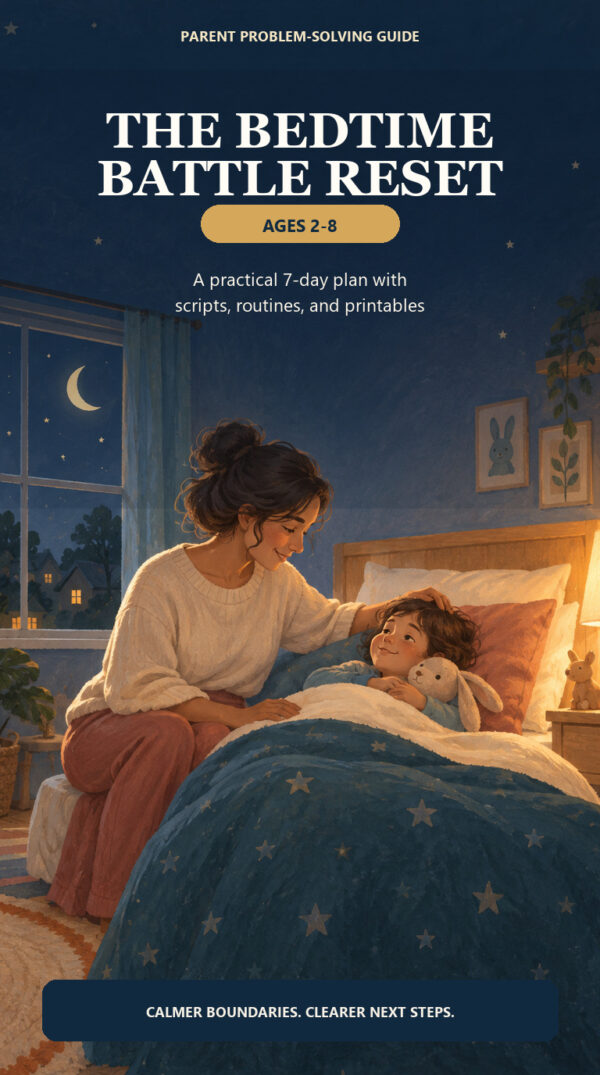
The Bedtime Battle Reset: A 7-Day Parent Guide for Ages 2-8
- Instant Downloadable & Printable PDF (Print at home or read on tablet)
- Soothing bedtime illustrations & gentle character-building moral
- Specially crafted for kids ages 3 to 8
-

The Bedtime Battle Reset: A 7-Day Parent Guide for Ages 2-8
$17.00 Add to cart -
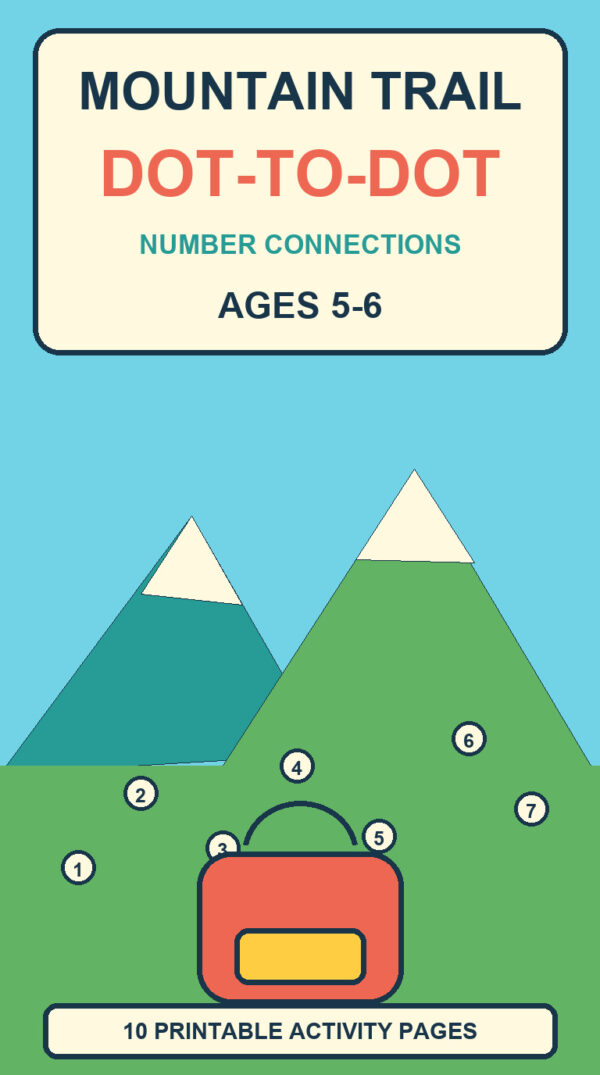
Mountain Trail Dot-to-Dot: Number Connections for Ages 5–6
$5.00 Add to cart -
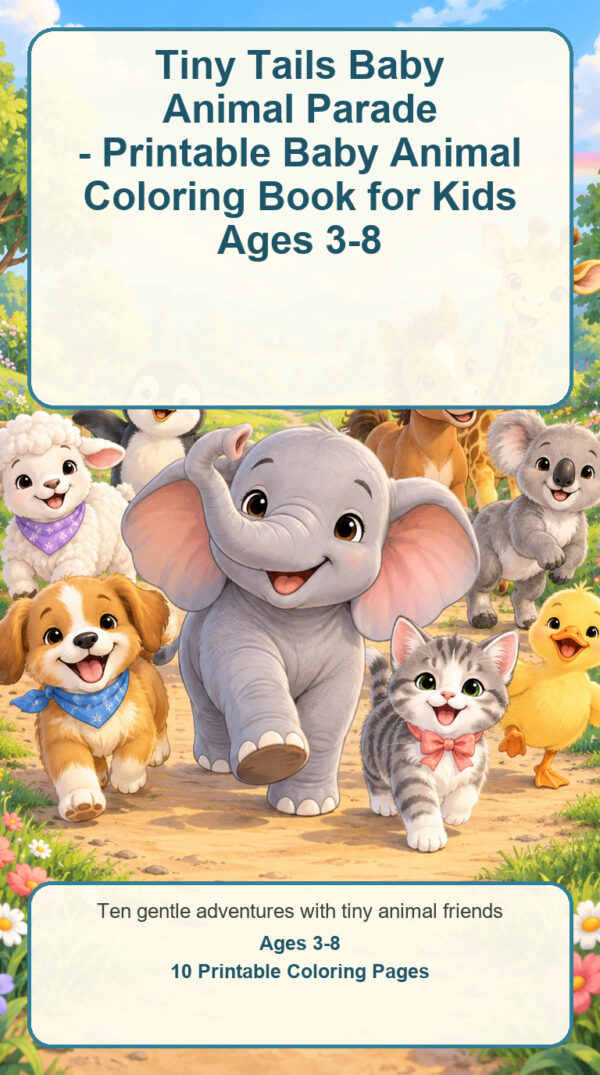
Tiny Tails Baby Animal Parade – Printable Baby Animal Coloring Book for Kids Ages 3-8
$5.00 Add to cart -
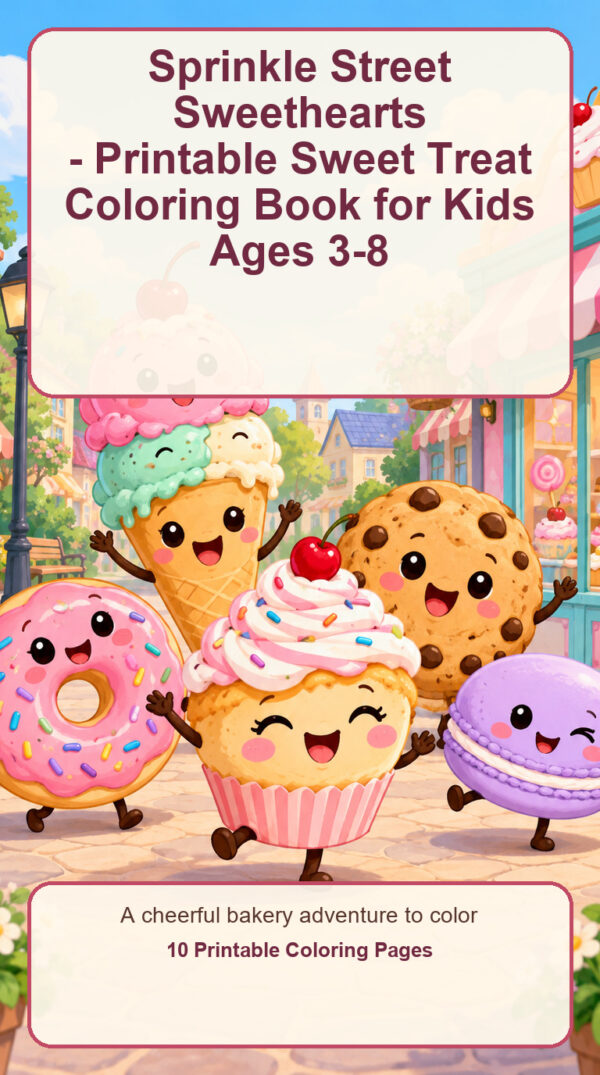
Sprinkle Street Sweethearts – Printable Sweet Treat Coloring Book for Kids Ages 3-8
$5.00 Add to cart