The Magic of Relatability: How Animal Fables Help Children Connect with Real-World Emotions
When “Use Your Words” Doesn’t Work: The Parenting Reality Check
It happened again last Tuesday. My four-year-old was crumpled on the kitchen floor, tears streaming down his face, completely inconsolable because I had cut his toast into triangles instead of rectangles. As a child development expert, I have all the “scripts” in my head. I knelt down. I validated his feelings. I tried to use logic. But in that moment of high emotional voltage, my words were just noise. We have all been there. You feel the panic rising in your chest as you try to reason with a tiny human whose brain is effectively “offline.”
Here is the hard truth we often forget in the heat of the moment: logic is the language of adults, but stories are the language of childhood. When we try to explain complex emotions like frustration, jealousy, or anxiety directly to a child, they often feel spotlighted or defensive. They shut down. The “lecture” triggers a shame response rather than a learning moment.
This is exactly why we need a bridge. We need a way to talk about the behavior without talking about their behavior. Over my decade of working with families, I have found that the strongest bridge isn’t a parenting script or a reward chart—it is the humble animal fable. By shifting the focus from the child to a character with fur or feathers, we unlock a magical backdoor to their emotional brain.
The Psychology of “Fur and Feathers”: Why Relatability Matters
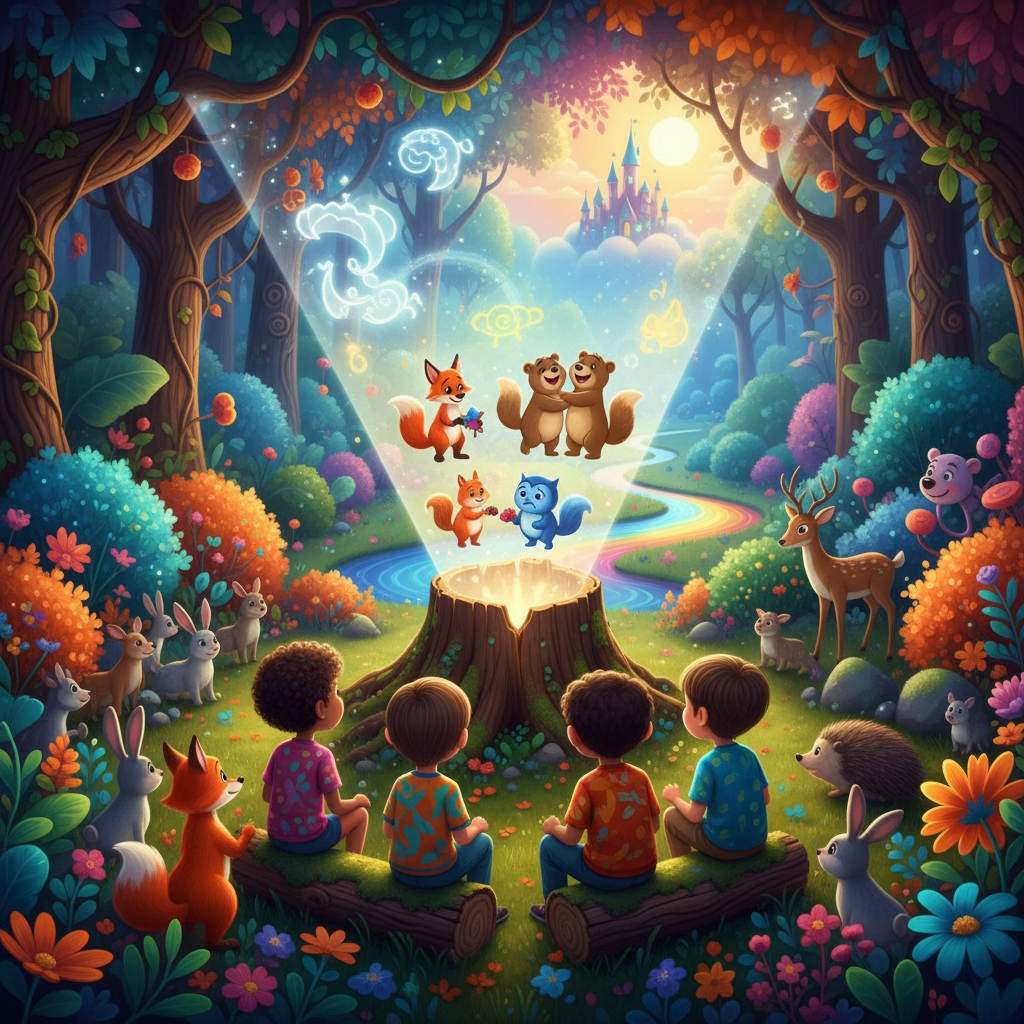
You might be wondering, “Why animals? Why not stories about other kids?” The answer lies in a psychological concept called emotional displacement. When a child hears a story about another child who is misbehaving or struggling, they often see too much of themselves in the mirror. It feels too close to home. Their defenses go up because they feel exposed.
However, when the protagonist is a Clumsy Elephant or an Impatient Rabbit, the dynamic shifts entirely. The animal character provides a layer of psychological safety. This “safe distance” allows the child to observe the emotion objectively without feeling judged. They can critique the Rabbit’s impatience without feeling like they are being criticized for their own lack of patience.
From a neurological perspective, this is gold for brain development. When a child engages with a fable, they are exercising their Theory of Mind—the ability to understand that others have thoughts and feelings different from their own. Because the character is an animal, the child’s brain is not occupied with “defending” their own ego. Instead, they are free to empathize. They can say, “Oh no, the Fox is going to be lonely if he keeps lying,” recognizing the consequence of the action without the sting of a parent saying, “If you lie, you’ll be in trouble.”
Tip 1: The “Pause and Ponder” Technique
Many parents make the mistake of reading a fable straight through to the end, treating it like a race to the finish line so they can turn off the lights. But the magic of relatability happens in the margins. To truly help your child connect with real-world emotions, you need to use the “Pause and Ponder” technique.
When the animal character faces a dilemma—for example, when the Ant refuses to share his food—stop reading. Don’t turn the page yet. Instead, look at your child and ask a curiosity-based question. Avoid “Yes/No” questions. Try these instead:
- “Whoa, look at the Ant’s face. How do you think he is feeling right now?”
- “If you were the Grasshopper, what would you say to the Ant?”
- “What do you think is going to happen next because of that choice?”
By doing this, you are inviting your child to practice problem-solving in a low-stakes environment. They are rehearsing emotional regulation for the next time they face a similar situation on the playground.
Tip 2: Create a “Critter Code” for Big Feelings
One of the biggest hurdles in early childhood is simply lacking the vocabulary to describe complex internal states. A child screams because they don’t know how to say, “I feel overwhelmed and anxious.” Animal fables provide a shared shorthand—a “Critter Code”—that you can use in real life.
If you have read a story about a Lion who needs to roar to get his anger out, you can use that reference later. When you see your child clenching their fists, instead of saying “Stop being angry,” you can say:
“I can see your inner Lion is trying to come out. Do we need to go to the backyard and let out a big Lion roar?”
This does two things immediately:
- It validates the emotion: You aren’t telling them to stop feeling; you are acknowledging the feeling exists.
- It depersonalizes the behavior: It’s not that your child is “bad”; it’s just that the Lion energy is high right now. This small shift in language significantly reduces power struggles.
Tip 3: The Somatic Connection (Acting it Out)
Children learn with their bodies first and their brains second. To make the emotional lessons of a fable stick, you need to get physical. After the story is over, ask your child to “show you” the emotions from the book. This builds somatic awareness—the connection between the mind and the body.
Ask them: “Show me what the Turtle looked like when he was scared to come out of his shell.” Your child might hunch their shoulders and cover their face. Then ask, “Now show me what the Turtle looked like when he finally felt brave.” They might stand tall and puff out their chest.
This physical rehearsal creates muscle memory for emotions. The next time they are scared, their body remembers what “brave” feels like because they practiced it as the Turtle. It sounds simple, but this is a profound tool for building emotional resilience.
Solving the “What Should We Read?” Dilemma
We know that fables are powerful, but let’s be honest about the logistics. As modern parents, we are exhausted. We don’t have time to scour the library or endlessly scroll through blogs to find the perfect story that addresses “sharing” or “anxiety” without being preachy. Most mass-market books are full of flashy cartoons but light on the actual emotional substance we are talking about here.
You need stories that are specifically architected to hit these developmental milestones. You need a resource that is ready the moment the meltdown starts, without the distraction of a glowing iPad screen or YouTube ads interrupting the flow.
Your High-Quality, Screen-Free Solution
This is why we curated our collection of PDF Kids Fables. We wanted to give parents a “break in case of emergency” toolkit. These aren’t just random stories; they are classic and modern fables chosen for their high relatability and clear emotional arcs.
Because they are in PDF format, you have instant access to them on your phone or tablet, but they are designed to be printed or read with a focus on the text and connection, not flashy animations. You can print them out for a fully screen-free bedtime ritual that actually calms the nervous system.
Don’t wait for the next tantrum to try and find a teaching moment. Equip yourself with stories that do the heavy lifting for you. Download our collection today, and turn your next “kitchen floor crisis” into a moment of connection.
Our books

-

Billy and Piko’s Great Winter Quest: A Sweet Tale of Preparation | Children’s Bedtime Book
$5.00 Add to cart -
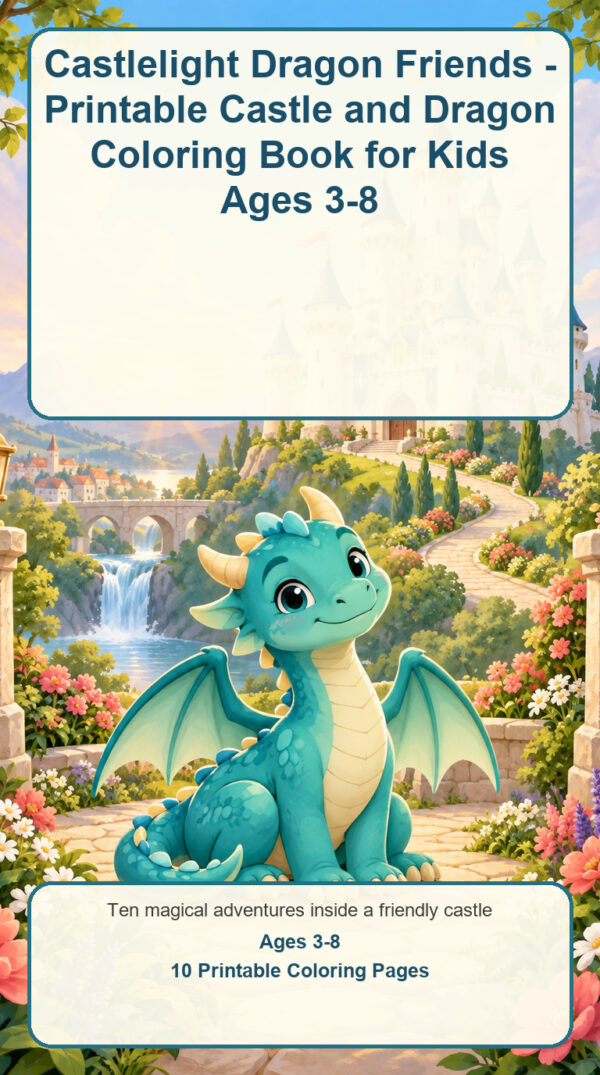
Castlelight Dragon Friends – Printable Castle and Dragon Coloring Book for Kids Ages 3-8
$5.00 Add to cart -
Mirror Castle Workshop: Symmetry Activities for Ages 6–8
$5.00 Add to cart -
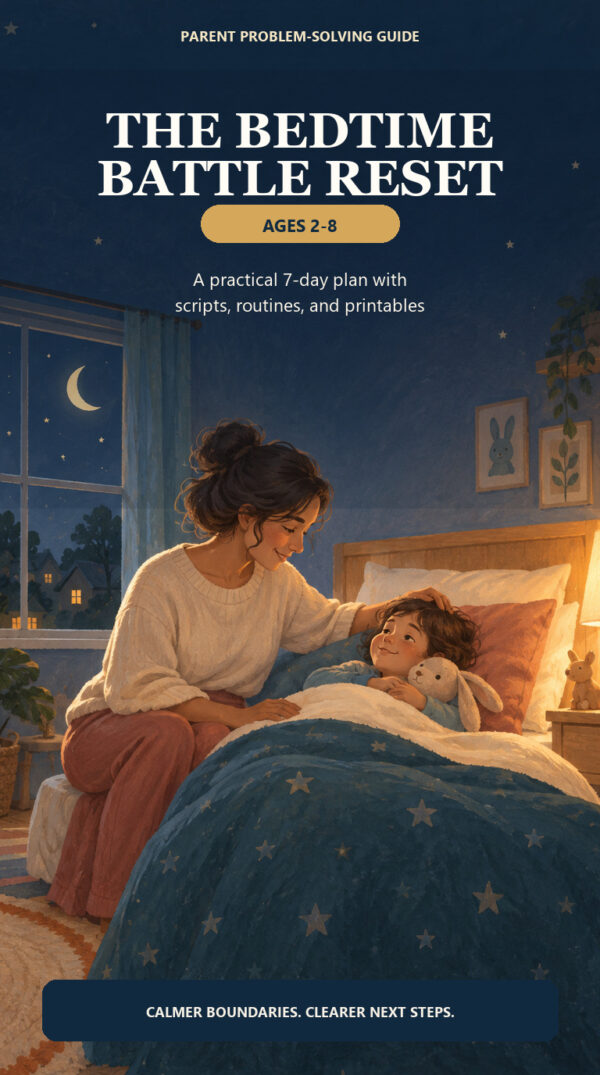
The Bedtime Battle Reset: A 7-Day Parent Guide for Ages 2-8
$17.00 Add to cart