Why PDF Storybooks are the Secret Bridge Between Screens and Literacy
The 5:30 PM Dilemma: Guilt, Screens, and a Better Way
We have all been there. It is 5:30 PM, the pasta water is finally boiling, the laundry is piled on the couch, and your toddler is currently trying to dismantle the dog’s water bowl. You are exhausted. You need twenty minutes of peace to get dinner on the table without a meltdown—yours or theirs.
So, you hand over the tablet.
The silence is instant, but so is the parental guilt. You watch their eyes glaze over as the autoplay feature cycles through frantic cartoons or unboxing videos. You know it’s keeping them quiet, but a little voice in the back of your head whispers, “Is this rotting their brain?” As a developmental specialist, I am here to tell you to take a breath. The screen itself isn’t the enemy; it is how the screen is being used that matters.
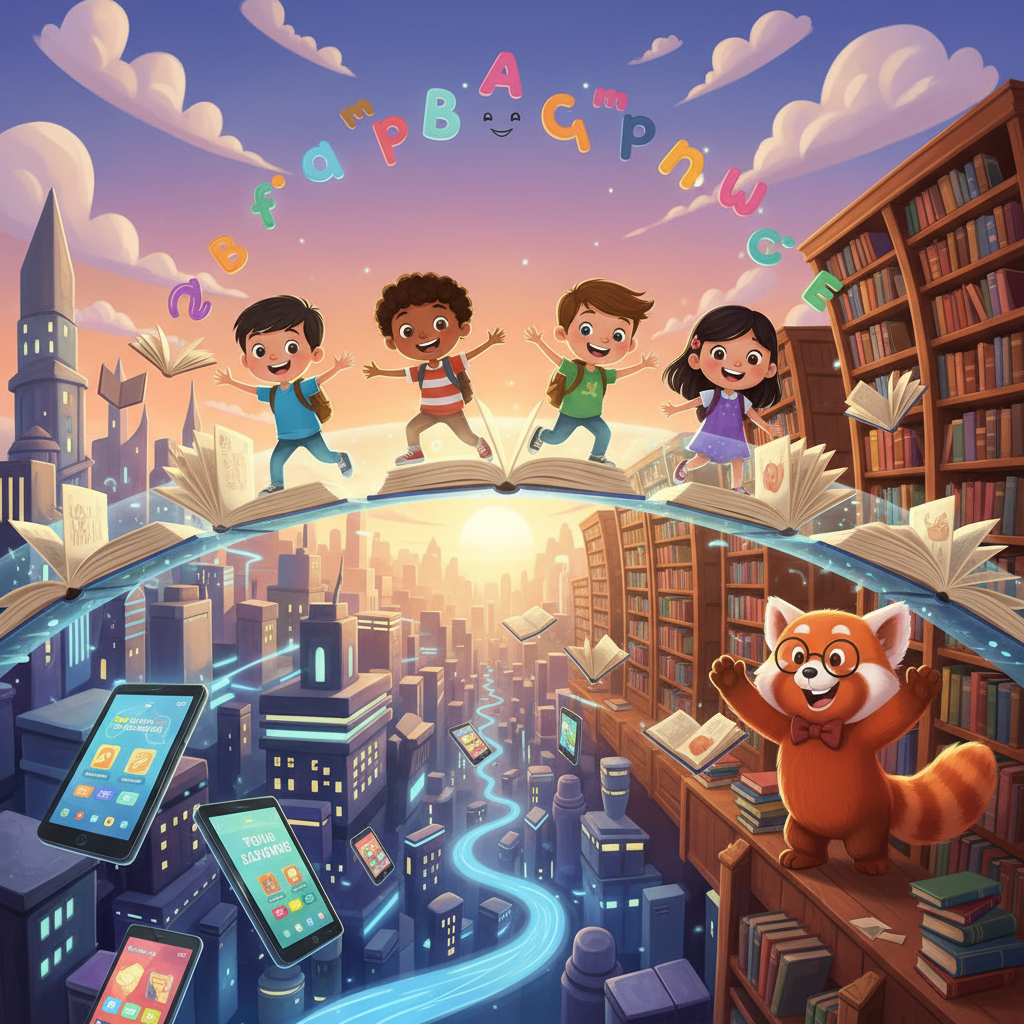
There is a middle ground between “zombie-mode” streaming and a strict no-screen policy. It is a tool that almost every parent overlooks, yet it is accessible on the phone right in your pocket. I am talking about PDF storybooks. They are the unsung heroes of modern parenting, acting as a secret bridge that transforms a digital device from a distraction into a literacy powerhouse.
The Science of “Static Screens”: Why It’s Different for Developing Brains
To understand why a PDF storybook is vastly superior to a video app, we have to look at cognitive load and pacing. When a child watches a fast-paced animation, their brain is in a state of passive reception. The pacing is determined by the app, usually designed to be hyper-stimulating to keep eyes glued to the glass. The child doesn’t have to work to understand the story; the images move for them.
A PDF storybook, however, creates a completely different neurological event called “Static Screen Engagement.”
Because a PDF is essentially a digital photocopy of a book, nothing moves unless the child (or parent) moves it. There are no popping bubbles, no sudden sound effects, and no gamification rewarding them for tapping mindlessly. This slows down the experience. It forces the brain to process the image, decode the text (or listen to you decode it), and turn the page only when comprehension is complete.
In my decade of working with families, I have seen that “static screens” help maintain the attention span necessary for traditional reading. It trains the brain to focus on a single image and narrative thread, rather than scanning for the next dopamine hit. It bridges the gap, allowing you to use the convenience of technology without sacrificing the developmental benefits of a good old-fashioned story.
1. The “Airplane Mode” Ritual: Reclaiming Focus
One of the biggest barriers to digital reading is the notification pop-up. Nothing ruins a tender story moment like a banner dropping down for a breaking news alert or a text from your boss.
Try this tonight: Before you open a story file, make a show of turning on “Airplane Mode” or “Do Not Disturb” with your child. Explain it to them: “We are turning off the rest of the world so we can go into the story world.”
This simple action does two things. First, it eliminates distractions that break the child’s concentration. Second, and perhaps more importantly, it models healthy digital boundaries. You are showing your child that you are prioritizing them over the device. It turns the phone into a dedicated e-reader, stripping away its function as a communication device and leaving only the book.
2. Use the “Zoom” Feature to Build Vocabulary
Paper books are wonderful, but digital storybooks have a secret weapon: the pinch-to-zoom. This is an incredible tool for dialogic reading—a fancy term for talking about the book while reading it.
If you are reading a story about a farm, don’t just read the text. Stop and zoom in tight on the background details. ask specific questions:
- “Look at that tiny mouse hiding behind the barn. Can you point to his tail?”
- “Let’s zoom in on the boy’s face. Does he look happy or worried?”
- “I spy something red in the corner. Let’s make it big and see what it is.”
By manipulating the screen, you are turning reading into an active investigation. This keeps the child’s motor skills engaged in a slow, controlled way, satisfying their urge to touch the screen while keeping the focus entirely on literacy and observation.
3. The “Emergency Library” in Your Pocket
Consistency is the key to literacy, but life is messy. We often find ourselves in waiting rooms, long checkout lines, or stuck in traffic without a physical book on hand. This is where the curation trap happens. You panic, open YouTube, and hope for the best.
The solution is to curate a folder of high-quality PDF stories before you need them. Think of it as your digital diaper bag. When you have a library of meaningful fables and stories saved to your phone, you are never at the mercy of an algorithm.
However, finding the right stories takes time—time that most of us simply don’t have. Scrolling through the internet looking for free content often leads to poorly written stories or low-resolution images that frustrate kids. You need stories that are formatted for readability and crafted with developmental milestones in mind.
How We Bridge the Gap for You
This need for instant, high-quality, screen-safe content is exactly why we developed our collection. We wanted to solve the “content gap” where parents have the device, but lack the right material.
Our PDF Kids Fables are designed specifically to be the high-value resource discussed above. They feature rich illustrations that withstand the “zoom test” and narratives that encourage parent-child conversation. By downloading our collection, you aren’t just getting files; you are equipping your phone with a portable library that supports your child’s brain development.
So, the next time that 5:30 PM chaos hits, don’t feel guilty. Switch to Airplane Mode, open a PDF story, and turn screen time into story time. Your child gets the engagement they crave, and you get the peace of mind knowing you are building a reader, one swipe at a time.
Our books

-

The Bedtime Battle Reset: A 7-Day Parent Guide for Ages 2-8
$17.00 Add to cart -
Mountain Trail Dot-to-Dot: Number Connections for Ages 5–6
$5.00 Add to cart -
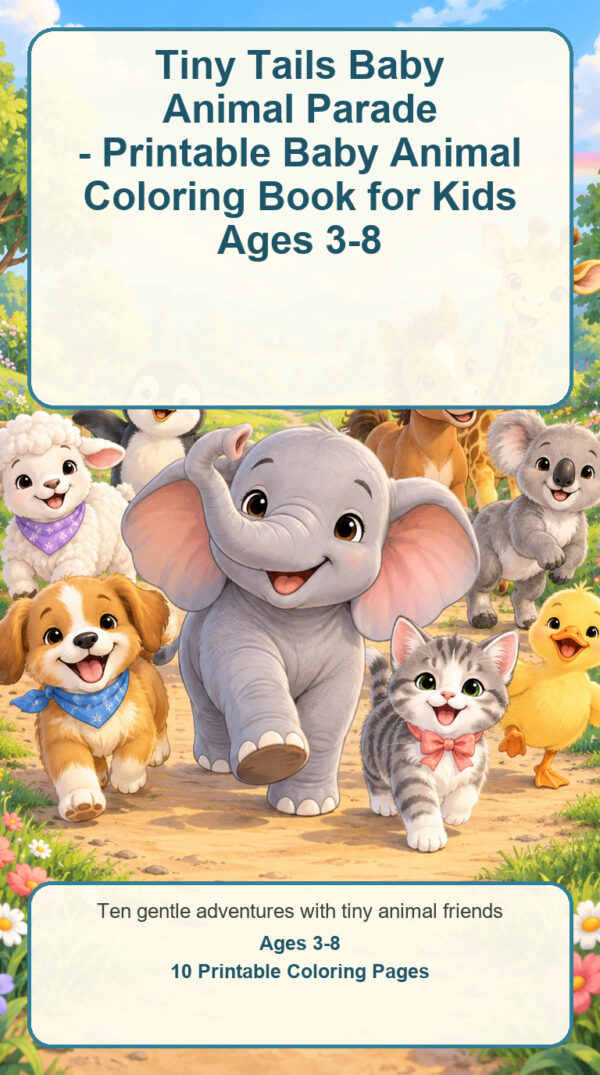
Tiny Tails Baby Animal Parade – Printable Baby Animal Coloring Book for Kids Ages 3-8
$5.00 Add to cart -
Sprinkle Street Sweethearts – Printable Sweet Treat Coloring Book for Kids Ages 3-8
$5.00 Add to cart