
Some of the sweetest parenting moments happen in the last ten minutes of the day – when the lights are low, the house is quieter, and a child settles in for one more story. Those few pages can feel simple, but the benefits of bedtime stories reach far beyond helping kids fall asleep. For many families, bedtime reading becomes a steady way to build closeness, language, imagination, and values all at once.
That matters even more when evenings feel rushed. A short, meaningful story can turn bedtime from a struggle into a rhythm children look forward to. It gives caregivers a practical way to slow things down while offering children something they genuinely need: attention, comfort, and words that help them make sense of their world.
Why the benefits of bedtime stories go beyond reading
When adults think about reading aloud, they often focus on early literacy, and that is certainly part of the picture. But children do not experience bedtime stories as a lesson first. They experience them as warmth, predictability, and shared attention. That emotional setting is one reason story time can be so powerful.
Looking for a calming bedtime activity?
Download our soothing coloring storybooks — 30+ delightful printable pages for children ages 3–8. Ready to print instantly for only $17.00!
At bedtime, children are usually more open, more reflective, and more ready to connect. A story heard during that quiet window tends to land differently than a story squeezed into a busy afternoon. The child is not just hearing words. They are pairing language with comfort, and that pairing can shape how they feel about books, learning, and even family connection over time.
There is also a practical side. Bedtime stories create a repeatable cue that the day is ending. Young children often resist transitions, especially when they are tired. A familiar reading ritual helps move them from active play to rest in a gentle, reassuring way.
Bedtime stories support language and early literacy
One of the clearest benefits of bedtime stories is stronger language development. When children hear stories read aloud, they are exposed to vocabulary they may not hear in everyday conversation. Books often include richer descriptions, more varied sentence structures, and new ways of expressing feelings, actions, and ideas.
Over time, that exposure adds up. Children begin to understand how stories are organized, how characters speak, and how cause and effect work in language. Even before a child can read independently, they are learning what reading sounds like and how meaning is built from words.
Listening builds future reading skills
Listening comprehension comes before fluent independent reading. A child who can follow a story, answer simple questions, and predict what might happen next is developing skills that later support reading success in school. This is one reason educators encourage read-aloud time so strongly in the early years.
That does not mean every bedtime story needs to feel instructional. In fact, children often learn best when the experience stays relaxed. A few natural questions such as “Why do you think the character did that?” or “What do you think happens next?” can be enough to build comprehension without turning story time into homework.
Nurture kindness & empathy tonight
Explore our gentle moral bedtime fables for children ages 3–8. Heart-warming character-building stories ready to read instantly for only $17.00!
Stories help children settle emotionally before sleep
Many caregivers notice this benefit first. A bedtime story helps children slow down. The steady pace of reading, the closeness of sitting together, and the predictability of a familiar routine all send the message that it is safe to rest.
For children who struggle with bedtime resistance, stories can ease the transition better than repeated reminders to sleep. They offer a positive bridge between the energy of the day and the calm of night. Instead of focusing on what the child has to stop doing, the routine gives them something comforting to move toward.
This does not mean every story will make every child sleepy. Some children get energized by exciting plots or silly books. It depends on the child and the timing. If bedtime has become overstimulating, gentler stories with soothing language and clear endings often work better than highly dramatic ones.
Bedtime reading strengthens the parent-child bond
Children remember routines that make them feel seen. A story at the end of the day can become one of those small but lasting expressions of love. Even a brief reading session tells a child, “You matter enough for me to pause and be fully with you.”
That kind of one-on-one attention is valuable, especially in busy households. Families do not always have long stretches of uninterrupted time, and bedtime may be the most consistent chance to reconnect. For grandparents, teachers, and other caregivers, reading aloud also creates a gentle way to build trust and closeness.
Connection matters as much as consistency
Reading every single night may not be realistic for every family. Work schedules, shared custody, evening activities, and plain exhaustion can get in the way. What helps most is not perfection but consistency over time. A short story three or four nights a week can still have real value.
Children benefit from the feeling that story time is a dependable part of care, not a special event that happens only once in a while. Keeping it simple usually makes it easier to maintain.
Stories create a natural space for character learning
Another of the lasting benefits of bedtime stories is that they help children explore values in a way that feels gentle and memorable. A child may resist a lecture about kindness or honesty, but they will often connect with a character who faces a meaningful choice.
Stories give children a safe place to think about fairness, patience, courage, humility, and empathy. They can watch a character make mistakes, repair harm, or learn an important lesson without feeling personally corrected. That little bit of distance matters. It keeps children open rather than defensive.
This is especially helpful for preschool and elementary-age children, who are still learning how to name emotions and understand social situations. Moral storytelling does not need to be heavy-handed to be effective. In many cases, a clear theme and a brief conversation after the story are enough to plant the seed.
For families who want bedtime to be both comforting and purposeful, stories with gentle lessons can make that time feel especially meaningful. That is part of what makes intentionally themed storybooks so useful for caregivers who want more than entertainment alone.
Imagination grows in the quiet
Bedtime stories also nourish creativity. When children listen to a story, they build mental pictures, imagine settings, and connect ideas in ways that support flexible thinking. This is one of the quiet strengths of read-aloud time, especially when compared with highly stimulating media that does most of the imagining for them.
A story heard in a calm room invites children to participate inwardly. They picture the forest, the village, the brave child, or the talking animal in their own way. That imaginative work supports creative play, storytelling, and problem-solving later on.
Children do not need long or complicated books for this benefit. Short bedtime stories can be just as effective, particularly for younger children with limited attention spans. The best length is often the one that leaves a child content, connected, and ready for rest.
Bedtime stories can improve routines for the whole family
The benefits of bedtime stories are not just for children. Caregivers often feel the difference too. Reading aloud creates a pause in the evening, a moment when the pace softens and attention returns to what matters most.
Because stories are repeatable and easy to build into a routine, they can reduce decision fatigue at the end of the day. Bath, pajamas, story, bed is easier for a child to understand than a bedtime that changes constantly. Predictability lowers stress for everyone.
There are trade-offs, of course. If the routine becomes too long, some children may keep asking for one more book and delay sleep even more. Boundaries help. Choosing one or two stories ahead of time and ending with the same closing phrase each night can keep the routine warm without letting it drift.
Making bedtime reading more meaningful
A meaningful bedtime story routine does not have to be elaborate. What matters most is choosing stories that fit your child’s age, attention span, and emotional needs. Some nights call for something playful and light. Other nights, a story centered on kindness, courage, or honesty may meet the moment better.
It also helps to let the child participate. They can pick between two books, repeat a favorite line, or talk briefly about the character’s choice. Those simple interactions keep story time engaging and help children feel ownership in the routine.
If convenience matters, easy-to-access digital storybooks can make the habit easier to keep. For busy families, having a ready-to-read bedtime story on hand removes one more barrier. Brands like Bed Time Kids Fables are built around that reality, giving caregivers quick access to short stories with clear moral themes that fit naturally into evening routines.
A bedtime story will not solve every sleep issue or parenting challenge. But it can do something quietly powerful. Night after night, page after page, it helps children feel loved, hear rich language, imagine bigger worlds, and absorb values that stay with them. Sometimes the smallest rituals do the deepest work.

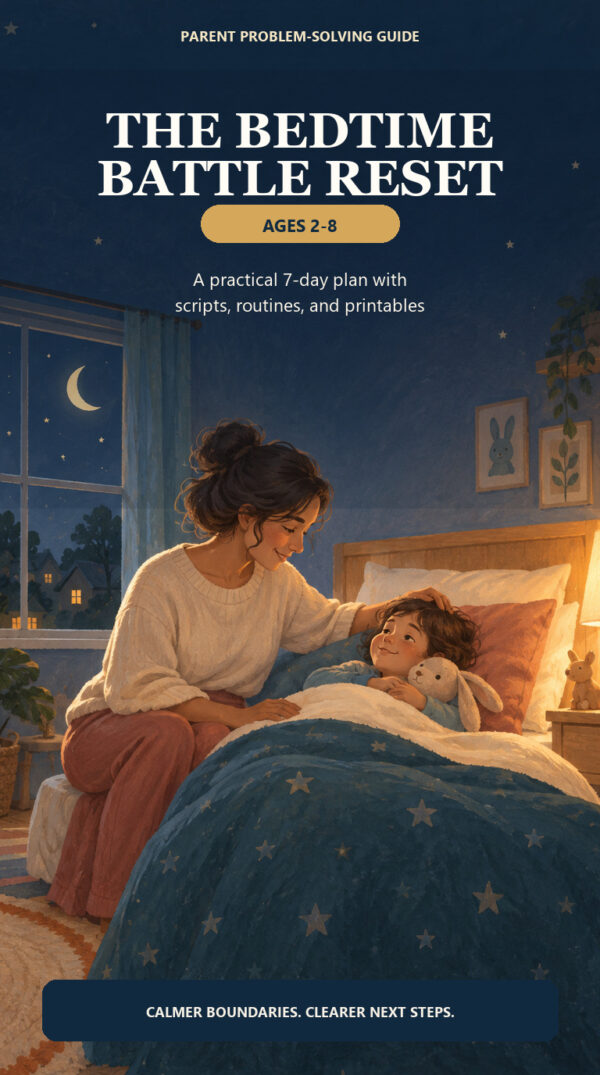
The Bedtime Battle Reset: A 7-Day Parent Guide for Ages 2-8
- Instant Downloadable & Printable PDF (Print at home or read on tablet)
- Soothing bedtime illustrations & gentle character-building moral
- Specially crafted for kids ages 3 to 8

-

The Bedtime Battle Reset: A 7-Day Parent Guide for Ages 2-8
$17.00 Add to cart -
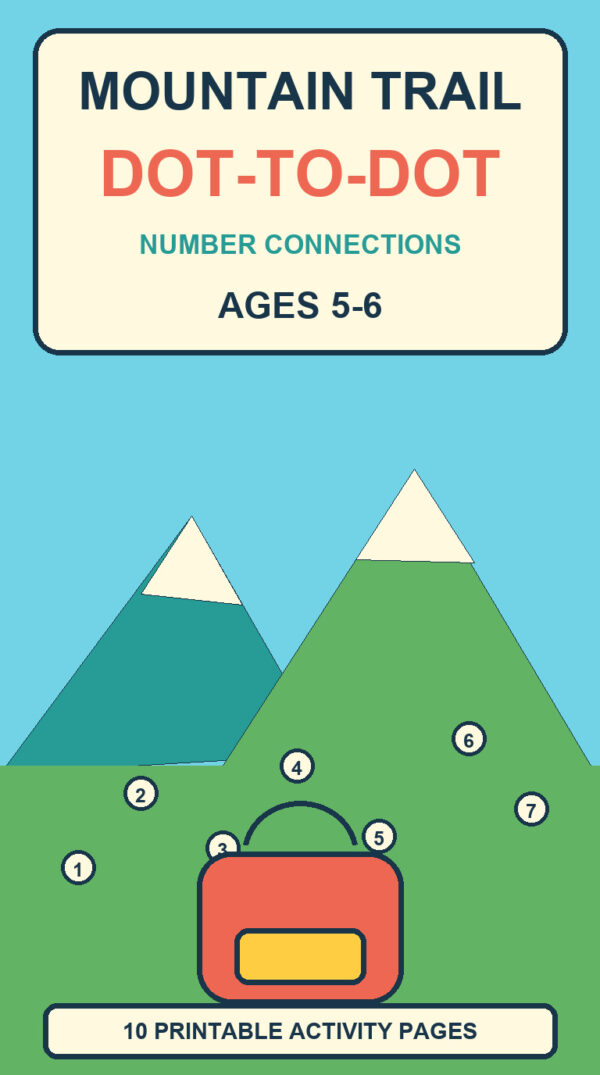
Mountain Trail Dot-to-Dot: Number Connections for Ages 5–6
$5.00 Add to cart -
Tiny Tails Baby Animal Parade – Printable Baby Animal Coloring Book for Kids Ages 3-8
$5.00 Add to cart -
Sprinkle Street Sweethearts – Printable Sweet Treat Coloring Book for Kids Ages 3-8
$5.00 Add to cart