
The best bedtime stories do more than fill the last few minutes before lights-out. They give a busy child a soft place to land, a caring adult a chance to reconnect, and a family a familiar rhythm to look forward to. This guide to bedtime read alouds will help you make that small daily moment calmer, more engaging, and more meaningful – even on nights when everyone is tired.
Why Bedtime Read Alouds Matter
At bedtime, children are often processing a full day of new feelings, rules, friendships, frustrations, and discoveries. A story creates a gentle pause. As your child follows a character through a problem and sees how it is resolved, they can quietly practice empathy, problem-solving, and emotional language.
Read alouds also support early literacy in ways that do not feel like a lesson. Children hear the rhythm of language, encounter new vocabulary, notice how stories unfold, and begin connecting books with comfort and attention. Even a child who is not yet reading independently is building important foundations when they listen, look at pictures, and join the conversation.
Looking for a calming bedtime activity?
Download our soothing coloring storybooks — 30+ delightful printable pages for children ages 3–8. Ready to print instantly for only $17.00!
Just as importantly, bedtime reading communicates something powerful: this time matters, and so do you. A short, predictable ritual can ease the transition from play to sleep, especially for children who resist bedtime or find it hard to settle.
Start With a Routine You Can Keep
A beautiful reading routine does not need to be long or elaborate. In fact, the routines that last are usually simple enough for real family life. Choose a consistent point in the evening, such as after pajamas and brushing teeth, and let reading become the next expected step.
For many preschoolers, one short story may be plenty. Elementary-age children may enjoy a longer chapter, two brief stories, or a few extra minutes to talk. The right length depends on your child, the day they have had, and how close everyone is to falling asleep. Ten peaceful minutes each night can be more valuable than a 30-minute routine that feels rushed or difficult to maintain.
Try to keep a small selection of books within reach of the bed or reading chair. When children can see and choose from a few familiar options, they feel included without becoming overwhelmed by too many choices. You might say, “Would you like the animal story or the story about being kind?” This gives your child a sense of control while keeping the evening moving forward.
Create a calm reading space
You do not need a picture-perfect nursery. A dim lamp, a comfortable spot, and a book are enough. If possible, put distracting toys and bright screens aside before reading begins. The goal is not perfection. It is helping your child associate story time with safety, warmth, and a slower pace.
For families who use digital books, a downloaded PDF storybook can be a practical option. Reading it on a dedicated e-reader or tablet with notifications turned off can keep the focus on the story rather than on apps or videos. If screens make your child more alert, consider printing a favorite story or saving digital reading for another quiet part of the day.
Nurture kindness & empathy tonight
Explore our gentle moral bedtime fables for children ages 3–8. Heart-warming character-building stories ready to read instantly for only $17.00!
How to Choose Books for Bedtime
The best bedtime books are engaging without being overly stimulating. A thrilling adventure may be wonderful in the afternoon, but a story filled with loud surprises, scary images, or fast-paced action can make it harder for some children to relax at night.
Look for stories with a clear emotional center, gentle pacing, and an ending that feels secure. Familiar favorites are especially helpful when a child is overtired or anxious. Knowing what comes next allows children to relax into the story instead of working hard to follow a new plot.
Stories with positive moral themes can add another layer of purpose to the routine. A tale about honesty, kindness, fairness, humility, diligence, or wisdom gives children a memorable way to think about everyday choices. The lesson works best when it grows naturally from the character’s experience rather than sounding like a lecture.
A variety of books will serve your family well. Keep a mix of comforting favorites, funny stories, simple folktales, and character-building stories. Repetition is not a problem. When children ask for the same book again, they are often practicing language, building confidence, and finding comfort in what they know.
Make the Read Aloud Feel Interactive
Reading aloud does not have to mean reading every word while your child listens silently. Small moments of participation can hold a child’s attention and deepen their understanding without turning bedtime into a quiz.
Pause occasionally to notice what is happening. You might ask, “How do you think she feels right now?” or “What would you do if that happened to you?” For younger children, invite them to point to a picture, repeat a fun phrase, or make a quiet animal sound. For older children, ask what choice they think the character should make next.
Keep your questions light. If your child is already sleepy, simply reading with expression may be enough. Some nights call for conversation; other nights call for a quiet voice and a familiar ending. Following your child’s energy is part of what makes a bedtime read aloud feel comforting rather than demanding.
Use your voice to bring stories to life
You do not need to perform every character perfectly. A slightly different voice, a whispered line, or a thoughtful pause can make a story feel special. Children respond less to polished delivery than to your presence.
Slow down during important moments. Let a kind choice, a brave apology, or a peaceful resolution have room to settle. This is especially useful with stories that carry a moral lesson. When the story ends, one gentle comment can connect it to life: “That was kind of like when you helped your brother today.”
When Your Child Resists Story Time
Some children love books but still resist bedtime. Often, the problem is not the story itself. They may be testing limits, trying to delay separation, or feeling too wound up to focus. A predictable routine can help because it makes the next step clear.
Be warm and firm about the boundary. You can offer a choice between two books, but avoid reopening the entire bedtime plan. If your child asks for “just one more,” consider a simple family rule: one story on school nights, two on weekends, or one book plus a short goodnight poem. Consistency helps children know what to expect.
If reading has become a struggle, make it easier for a few nights. Choose shorter stories, reduce questions, and return to a beloved book. The goal is to protect the positive feeling around reading. A child does not need to sit perfectly still to benefit. They can cuddle a stuffed animal, look at pictures, or rest beside you while listening.
Let Character Lessons Continue Beyond the Book
A meaningful bedtime story can offer language for moments that happen the next day. If a character learned to tell the truth, share fairly, or keep trying after a mistake, you can refer back to that story when a similar situation arises. This makes moral learning concrete and familiar.
There is no need to force every story into a big discussion. Children often absorb more than adults realize through repeated exposure to caring characters and clear consequences. Bed Time Kids Fables is built around this idea: a short, engaging story can entertain children while gently reinforcing values they can carry into everyday life.
Over time, your child may begin to name the lessons on their own. They may say a character was “being fair” or remember how someone solved a problem with kindness. Those small comments are signs that story time is becoming more than a bedtime habit. It is becoming a shared language for your family.
Tonight, choose a book that feels right for your child, settle in close, and let the day grow quieter one page at a time. The story may be brief, but the comfort, confidence, and connection it creates can stay with your child long after the light is turned off.

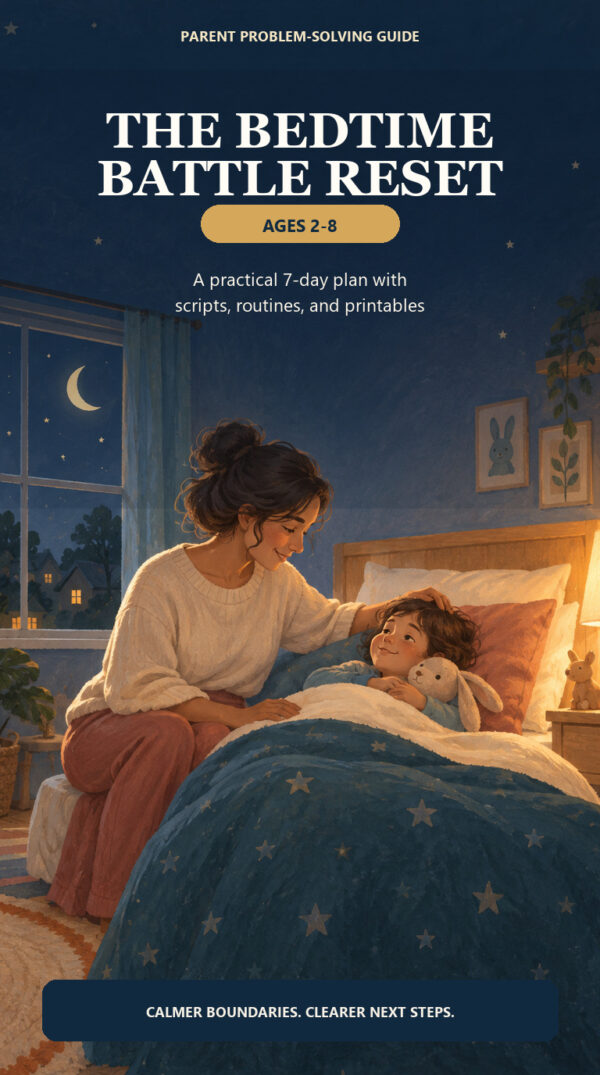
The Bedtime Battle Reset: A 7-Day Parent Guide for Ages 2-8
- Instant Downloadable & Printable PDF (Print at home or read on tablet)
- Soothing bedtime illustrations & gentle character-building moral
- Specially crafted for kids ages 3 to 8

-

The Bedtime Battle Reset: A 7-Day Parent Guide for Ages 2-8
$17.00 Add to cart -
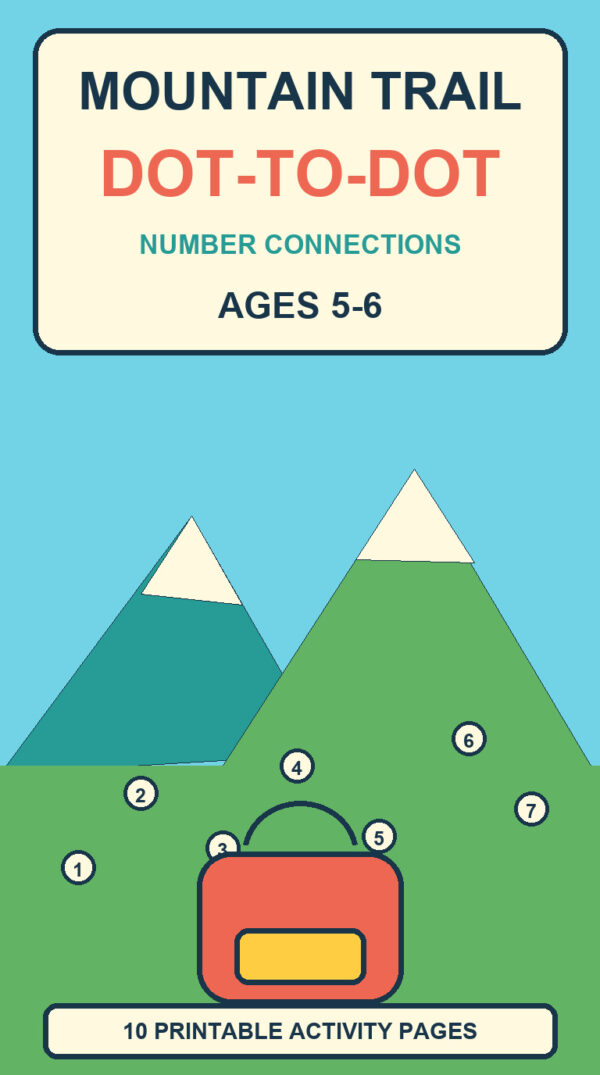
Mountain Trail Dot-to-Dot: Number Connections for Ages 5–6
$5.00 Add to cart -
Tiny Tails Baby Animal Parade – Printable Baby Animal Coloring Book for Kids Ages 3-8
$5.00 Add to cart -
Sprinkle Street Sweethearts – Printable Sweet Treat Coloring Book for Kids Ages 3-8
$5.00 Add to cart