Which Books Help Big Feelings? A Parent’s Guide

A child who has slammed a door, cried over the wrong color cup, or suddenly worried about tomorrow does not need a perfect speech. They need help making sense of what is happening inside. That is why many caregivers ask which books help big feelings. The right story can give a child gentle words for anger, worry, jealousy, sadness, or disappointment, while reminding them that every feeling can be handled with care.
At bedtime, books can be especially comforting. The day is slowing down, distractions are fewer, and children are often more ready to talk through something difficult when it belongs to a character first. A meaningful story does not make big feelings disappear. It helps children see that feelings are normal, temporary, and not something they have to face alone.
Which books help big feelings most?
The most helpful books are not always the ones that say, “Don’t be mad” or “Stop worrying.” Look for stories that welcome emotions without approving every behavior that follows them. A child can learn that anger is okay while hurting someone is not, or that feeling left out is painful while asking to join in can be brave.
For preschoolers and early elementary children, choose books with a clear emotional situation, expressive illustrations, and a comforting resolution. A character might lose a turn, move to a new place, make a mistake, or feel frightened at night. These familiar moments allow children to recognize themselves without feeling singled out.
The best choices also leave room for conversation. A story does not need to solve every problem in two pages. In fact, books are often more useful when a child can pause and say, “That happened to me,” or “I would feel mad too.”
Match the story to the feeling underneath
Children may not say, “I am overwhelmed because my routine changed.” They may cry, cling, argue, or refuse to get ready for bed. Choosing a book by the feeling underneath the behavior can make story time more helpful.
Books for anger and frustration
Look for stories in which a character feels a strong burst of anger after being told no, losing a game, sharing a favorite item, or making an error. The most supportive books show what the character does next: taking a breath, asking for help, using words, finding a quiet space, or trying again.
Stories about patience, fairness, and self-control can be especially useful here. They teach that strength is not about never getting upset. It is about learning what to do when the upset feeling arrives.
Books for worry and fear
Worry often grows louder at bedtime. A child may fear shadows, bad dreams, school, thunderstorms, or being apart from a loved one. Choose stories with a reassuring tone rather than books that make the scary situation feel larger than life.
A helpful worry story names the fear, offers a safe adult or caring friend, and shows small coping steps. It might include a bedtime routine, a comfort object, a hopeful thought, or a character who discovers they can do something brave even while feeling afraid.
Books for sadness, grief, and change
Sadness needs patience. Whether a child misses a friend, has lost a pet, is adjusting to a move, or simply had a hard day, avoid stories that rush them toward happiness. Books about loss and change should make space for tears, memories, and questions.
Gentle stories about kindness, family connection, and hope can help children feel held during tender moments. The goal is not to talk a child out of missing someone. It is to show them that love remains meaningful, even when life changes.
Books for jealousy and feeling left out
A new sibling, a friend’s birthday party, a classroom award, or a sibling who seems to get more attention can bring out difficult feelings. Stories about inclusion, gratitude, and sharing help children understand that another person’s joy does not take away their own worth.
Look for characters who learn to speak honestly, notice another person’s needs, or find a way to contribute. These stories can build empathy without shaming a child for feeling jealous in the first place.
What to look for before you read
A beautiful cover is a lovely beginning, but it is not the whole decision. Before choosing a book for emotional support, consider whether the story fits your child’s age and current experience. A book for a four-year-old should use simple language and familiar situations. Older children may connect better with friendships, classroom challenges, responsibilities, and more layered choices.
Pay attention to how adults are portrayed. Supportive stories usually include a caring grown-up, mentor, or community member who listens and guides rather than embarrasses the child. This matters because children learn from what they see characters do during hard moments.
Also consider the ending. A hopeful ending is valuable, but it does not have to be perfectly cheerful. Sometimes the strongest ending is one where the character still feels sad or nervous but knows what to do next. That is a more realistic kind of reassurance.
Books with clear moral lessons can be particularly helpful when the lesson grows naturally from the story. A tale about honesty after a mistake, humility after showing off, or kindness after a conflict gives children a memorable example to carry into their own lives. Bed Time Kids Fables is built around this kind of purposeful storytelling, pairing engaging bedtime reading with character lessons children can understand.
Turn reading into a calming conversation
You do not need to turn every story into a lesson. A few warm questions can open the door without making a child feel tested. After reading, try asking, “How do you think the character felt?” or “What helped when things got hard?” If your child seems ready, you might add, “Have you ever felt a little like that?”
Keep your tone curious, not corrective. If your child says, “I would yell too,” begin by acknowledging the feeling: “It sounds like that would feel really frustrating.” Then gently explore another choice: “What could the character try before yelling?”
If a child does not want to talk, that is okay. Listening quietly still matters. Children often return to a story later, sometimes during play or on another bedtime, when they have found their own words.
Make a small big-feelings book basket
It helps to keep a few dependable titles within reach instead of searching for the perfect book during a difficult moment. Include stories that cover different experiences: anger, worry, friendship problems, change, kindness, and courage. Add a few familiar favorites that simply make your child feel safe.
You can rotate books as your child grows or as family circumstances change. After a move, a new school year, a new baby, or a challenging friendship season, bring stories about that experience back into the bedtime routine. Re-reading is not a sign that a child is stuck. Repetition helps young children practice understanding an emotion from a safe distance.
Digital storybooks can be useful for busy families, too. A ready-to-download book means you can begin reading together when you need it, whether you are at home, traveling, or settling into an unfamiliar bedtime routine. When possible, keep the reading experience calm by dimming distractions and reading from the same device together rather than handing a child a screen alone.
When a book is not enough
Books are powerful companions, but they are not a replacement for extra support when a child’s distress feels constant, intense, or disruptive. If sleep troubles, fears, sadness, anger, or anxiety continue for weeks or interfere with school, friendships, eating, or daily life, speak with your child’s pediatrician or a qualified child mental health professional.
Even then, stories can remain part of the care. They offer familiar language, a peaceful routine, and a reminder that hard feelings can be spoken about. Night after night, a caring voice and a well-chosen story tell a child something deeply reassuring: your feelings are welcome here, and we will learn how to carry them together.
Our books


-

Same and Different Worksheets for Ages 4-5: Dinosaur Egg Lab (Printable PDF)
$2.99 Add to cart -
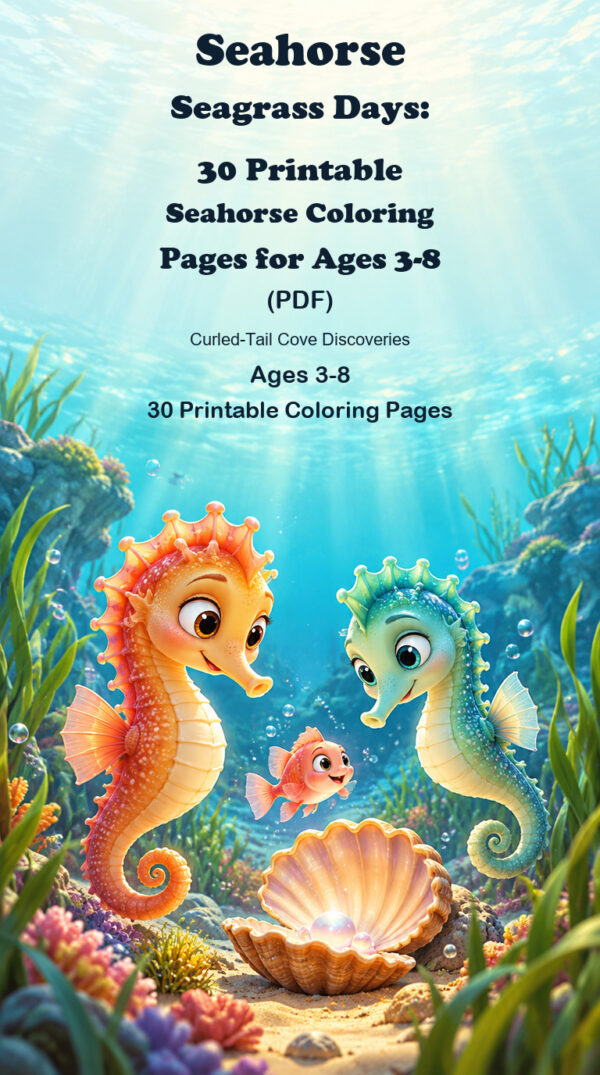
Seahorse Seagrass Days: 30 Printable Seahorse Coloring Pages for Ages 3-8 (PDF)
$3.99 Add to cart -
Easy Mazes for Ages 3-4: Duckling Pond Paths (Printable PDF)
$2.99 Add to cart -
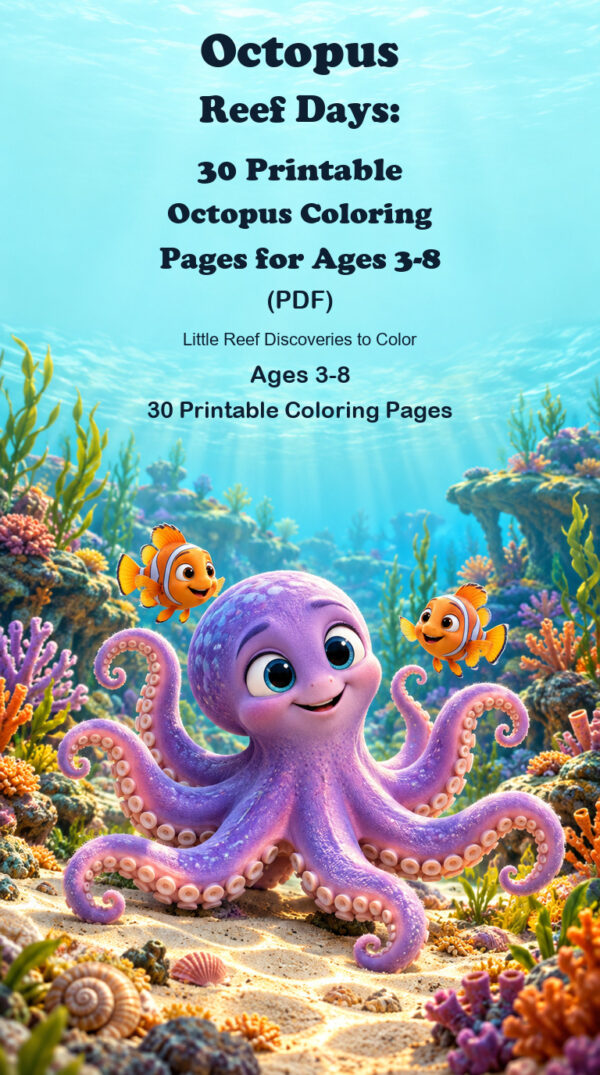
Octopus Reef Days: 30 Printable Octopus Coloring Pages for Ages 3-8 (PDF)
$3.99 Add to cart