
A child who has spent the day hearing “share your toys” may not remember the reminder by bedtime. But a child who hears about a small fox choosing to share food with a hungry friend may carry that moment into tomorrow’s play. So, are moral stories good for children? When they are thoughtfully chosen and warmly shared, they can be a gentle, memorable way to help children understand values that might otherwise feel abstract.
For parents, grandparents, and educators, a moral story is not a lecture tucked inside a book. It is an invitation to wonder: What would I do? How did that character feel? Was there a kinder choice? Those questions turn a cozy reading routine into a meaningful moment of connection and early learning.
Are Moral Stories Good for Children? Yes, With the Right Approach
Children are still learning how to name big feelings, manage disappointment, solve conflicts, and see life from someone else’s point of view. Stories give them a safe place to practice. They can watch a character make a selfish choice, face a consequence, repair a mistake, or show courage without having to be the one in trouble.
Looking for a calming bedtime activity?
Download our soothing coloring storybooks — 30+ delightful printable pages for children ages 3–8. Ready to print instantly for only $17.00!
That distance matters. A direct correction can make a child feel defensive, especially after a long day. A story lowers the pressure. Instead of hearing, “You need to be more honest,” a child can consider why honesty helped a character earn trust. The lesson arrives through a plot, a feeling, and an outcome, which makes it easier to understand and remember.
Moral stories also support the kind of language children need for social and emotional growth. Words such as fairness, patience, humility, responsibility, and kindness become clearer when children see them in action. A young child may not be able to explain fairness in a dictionary-style definition, yet they can recognize it when two story characters take equal turns.
Still, the benefit depends on the story and the way it is shared. Children do not need every book to deliver a lesson. Funny stories, imaginative adventures, informational books, and stories chosen simply because they delight your child all have a valuable place on the bookshelf. Moral stories work best as part of a varied reading life, not as a nightly sermon.
How Stories Help Values Feel Real
A good moral story gives a value a face, a problem, and a consequence. Rather than announcing that diligence is good, it may show a character practicing a skill, making mistakes, and eventually feeling proud of steady effort. Rather than insisting that freedom comes with responsibility, it may show what happens when a character ignores an important promise.
This is especially useful for preschool and elementary-age children because their understanding grows through concrete examples. They are often more ready to talk about a rabbit, a child, or a clever bird than to talk directly about their own behavior. That conversation can later become a bridge to real life: “That reminds me of when you helped your sister find her shoe this morning.”
Stories also teach that values are not always easy. Kindness can mean including someone who seems different. Fairness can mean giving up an advantage. Wisdom can mean pausing before acting. When children see that a character wrestles with a choice, they learn that doing the right thing is not about being perfect. It is about trying again, thinking carefully, and caring about how our choices affect others.
Nurture kindness & empathy tonight
Explore our gentle moral bedtime fables for children ages 3–8. Heart-warming character-building stories ready to read instantly for only $17.00!
Empathy grows through character experiences
Empathy is more than saying “be nice.” It is the growing ability to notice and care about another person’s experience. When a child hears that a lonely character was left out, or that a proud character hurt a friend’s feelings, they get practice reading emotions and considering causes and effects.
During bedtime reading, keep this conversation light and open. You might ask, “How do you think she felt when that happened?” or “What could her friend do now?” There is no need to quiz your child or search for one perfect answer. Listening to their response is often just as valuable as explaining the moral.
Choices and consequences become easier to understand
Young children are still developing self-control. They may know a rule but struggle to follow it when they are tired, excited, or frustrated. A story can help them connect choices with outcomes before they are in the middle of a difficult moment.
For example, a tale about a character who lies to avoid a small problem can open a calm discussion about trust. The goal is not to make children anxious about mistakes. It is to help them see that telling the truth, apologizing, and making things right can rebuild relationships. Stories that allow characters to learn and repair are often more helpful than stories that rely only on punishment.
What Makes a Moral Story Helpful Rather Than Heavy-Handed?
The strongest stories do not talk down to children. They offer an engaging situation, characters with understandable feelings, and a lesson that grows naturally from what happens. If the moral is repeated too loudly or the character suddenly becomes perfect, children may lose interest or feel that the message does not ring true.
Look for stories with age-appropriate stakes. A preschooler may connect with taking turns, helping a friend, caring for a pet, or telling the truth about a broken crayon. An older child may be ready for stories about loyalty, courage, inclusion, responsibility, or standing up for what is fair.
It also helps when characters make believable mistakes. Children need to know that a poor choice does not make someone a bad person. A thoughtful story can show accountability alongside compassion: the character understands the harm, offers a sincere apology, and chooses a better path next time.
At Bed Time Kids Fables, that balance is at the heart of a purposeful bedtime story. Short, engaging tales centered on values such as honesty, kindness, diligence, wisdom, and unity give caregivers an easy way to bring a meaningful conversation into the evening routine.
Making Moral Stories Part of Bedtime Without Making Them a Lesson
Bedtime is often when children are most ready for closeness and least ready for a long discussion. Keep the experience comforting. Let the story do most of the teaching, then offer one simple question if your child seems interested.
You could say, “What part did you like best?” before asking about the lesson. This protects the joy of reading. Sometimes a child will focus on the funny animal, the surprising ending, or the picture they loved most. That is fine. Their understanding may deepen gradually over repeated readings.
When a child does want to talk, connect the story to everyday life without turning it into a correction. If the theme is generosity, ask whether they have ever shared something that mattered to them. If the theme is humility, wonder aloud how it feels when someone admits they need help. These small conversations build emotional vocabulary and trust.
Re-reading is useful, too. Children often ask for the same story because repetition feels secure, but they are also noticing new details each time. On one night they may understand the plot. On another, they may recognize why a character felt jealous or why an apology mattered. Familiar stories can become a gentle rehearsal space for growing minds.
When a Different Kind of Book Is the Better Choice
A moral story is not the right tool for every moment. If your child has had a hard day, they may need a silly book, a calming story, or simply the comfort of a familiar favorite. If they are upset about a specific behavior, addressing it in the heat of the moment through a book may feel indirect or frustrating. A clear, loving conversation is sometimes necessary.
It is also wise to avoid using stories as a way to shame. Choosing a book about selfishness immediately after your child refuses to share can feel like a disguised punishment. Instead, save the story for a neutral moment and make room for everyone to be learning, including the grown-ups.
A healthy reading routine includes many kinds of books because children need joy, imagination, knowledge, emotional comfort, and moral reflection. The goal is not to manufacture perfect behavior. It is to raise readers who can think about choices, care about people, and keep growing.
Tonight, choose a story your child will genuinely enjoy, settle in close, and leave a little room after the last page for their thoughts. A few peaceful minutes with a meaningful tale can become one of the quiet ways a child learns what kindness, courage, and honesty look like in real life.

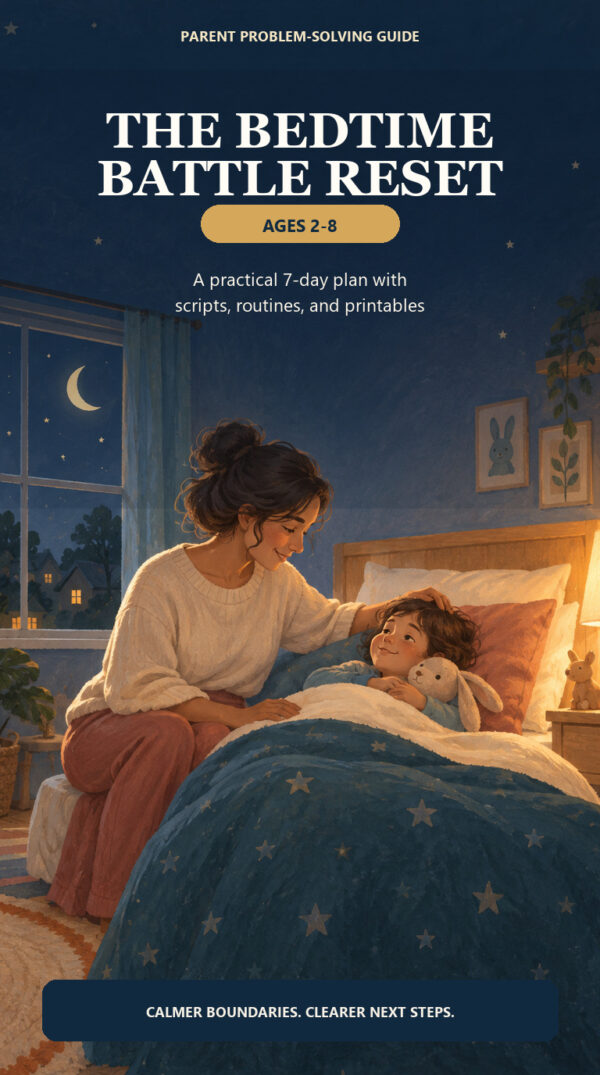
The Bedtime Battle Reset: A 7-Day Parent Guide for Ages 2-8
- Instant Downloadable & Printable PDF (Print at home or read on tablet)
- Soothing bedtime illustrations & gentle character-building moral
- Specially crafted for kids ages 3 to 8

-

The Bedtime Battle Reset: A 7-Day Parent Guide for Ages 2-8
$17.00 Add to cart -
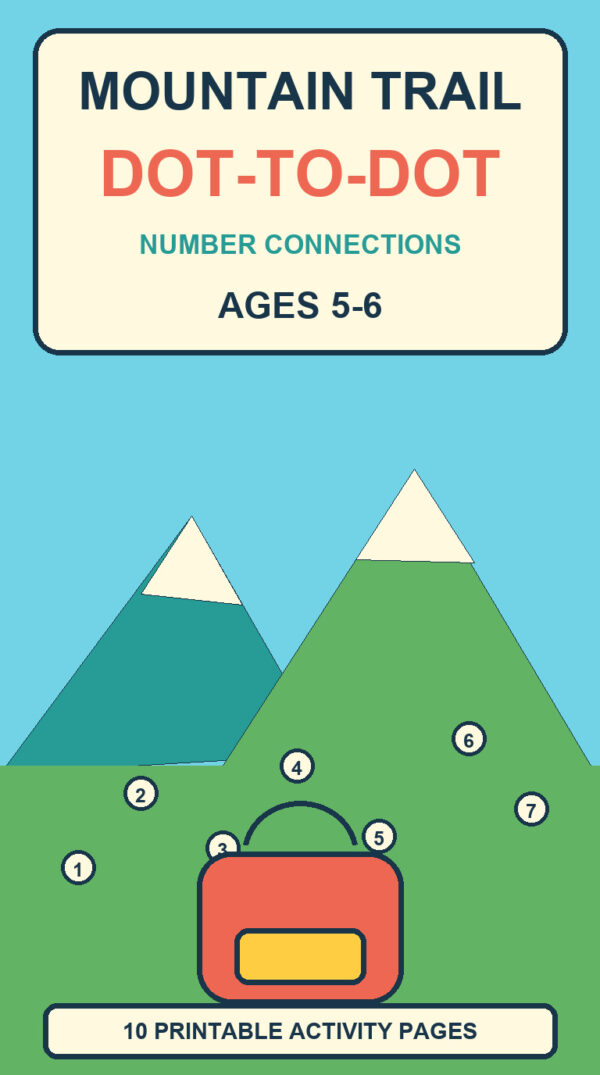
Mountain Trail Dot-to-Dot: Number Connections for Ages 5–6
$5.00 Add to cart -
Tiny Tails Baby Animal Parade – Printable Baby Animal Coloring Book for Kids Ages 3-8
$5.00 Add to cart -
Sprinkle Street Sweethearts – Printable Sweet Treat Coloring Book for Kids Ages 3-8
$5.00 Add to cart