
Some nights, bedtime feels like one more task to squeeze in before everyone is running on empty. But a well-chosen story can change the mood of the whole evening. Bedtime stories with moral lessons do more than help children settle down – they give families a gentle way to talk about kindness, honesty, patience, and other values that children are still learning how to practice.
That is what makes these stories so powerful. Children are often more open to a lesson when it arrives through a character they care about, a problem they understand, and an ending that feels hopeful. Instead of hearing a correction in the heat of the moment, they get to explore right and wrong from a safe, calm place right before sleep.
Why bedtime is such a good time for moral stories
At bedtime, children are usually more reflective than they are during the rush of the day. The toys are put away, the noise has softened, and your child has a chance to listen without competing distractions. That quiet setting makes story time a natural moment for character learning.
Looking for a calming bedtime activity?
Download our soothing coloring storybooks — 30+ delightful printable pages for children ages 3–8. Ready to print instantly for only $17.00!
A moral story also works differently than a lecture. If a child has been struggling with sharing, for example, a story about fairness lets them observe the consequences through someone else first. They can think about the situation without feeling singled out. For many children, that distance makes the lesson easier to accept.
There is also a strong emotional benefit. Stories create closeness. When a parent, grandparent, or teacher reads with warmth and consistency, children begin to associate learning with comfort and connection. That emotional safety helps lessons go deeper and stay longer.
What children really learn from bedtime stories with moral lessons
The obvious goal is helping children understand values, but the benefits reach further than that. A good story strengthens listening skills, vocabulary, memory, and comprehension while also shaping how children think about behavior and relationships.
When a child hears a story about honesty, they are not only learning that telling the truth matters. They are also noticing facial expressions in the illustrations, predicting what might happen next, and connecting the character’s choices to real life. In other words, they are building both literacy and social understanding at the same time.
This matters because young children rarely learn values from one big conversation. They learn through repetition, examples, and gentle reinforcement. A bedtime story gives you that repetition without making the lesson feel heavy.
The best moral lessons to read at night
Not every lesson fits every season of childhood. What works beautifully for a preschooler may feel too simple for an older child, and what a child needs most may depend on what is happening at home or in school.
Nurture kindness & empathy tonight
Explore our gentle moral bedtime fables for children ages 3–8. Heart-warming character-building stories ready to read instantly for only $17.00!
Kindness is one of the easiest themes to start with because young children encounter it every day. They can understand helping a friend, including someone in play, or speaking gently. Honesty is another strong bedtime theme, especially if your child is learning that mistakes are easier to fix when the truth comes first.
Stories about diligence and patience can help children who get frustrated quickly. Tales centered on humility, fairness, or wisdom often work well for elementary-age children who are beginning to notice social dynamics, rules, and consequences more clearly. Unity and cooperation are especially helpful when siblings are clashing or classroom teamwork is becoming more important.
The lesson should match the child’s world. If the moral feels too far removed from daily life, the story may still entertain, but it will not land as deeply.
How to choose bedtime stories with moral lessons that actually work
The best stories are clear, warm, and age-appropriate. They do not need to sound preachy to be meaningful. In fact, children usually respond better when the moral grows naturally from the plot.
Look for stories where the character faces a recognizable problem. Maybe they are tempted to hide the truth, leave someone out, give up too soon, or act selfishly. When the conflict feels familiar, children can place themselves in the story more easily.
Pacing matters too. Bedtime is not usually the best time for long, overstimulating plots with too many twists. A shorter story with a calm rhythm often works better, especially for younger children. It helps children settle physically while still staying mentally engaged.
Illustrations and language should also support the reading experience. For preschool and early elementary children, simple wording and expressive pictures can make the lesson more memorable. Older children may enjoy a little more complexity, but even then, clarity matters more than cleverness.
What makes a moral story feel natural instead of preachy
Adults sometimes worry that stories with lessons will feel forced. That can happen, but usually only when the message overwhelms the story itself. Children can tell when they are being talked at.
A strong moral story lets the lesson emerge through action. The character makes a choice, experiences a result, reflects, and grows. That pattern feels satisfying because it mirrors how children learn in real life.
It also helps when the character is imperfect. A child does not need a flawless hero. They need someone who makes a relatable mistake and finds a better way forward. That kind of storytelling teaches without shaming.
If you are choosing stories for regular bedtime reading, variety matters. Reading about kindness every night for two weeks may start to lose its impact. Rotating themes keeps the routine fresh and allows you to support a wider range of emotional and social skills.
How to turn story time into a meaningful routine
You do not need a full lesson plan. A few small habits can make bedtime reading more intentional without adding pressure to your evening.
Before you start, help your child settle into a predictable rhythm. A bath, pajamas, dim lights, and a familiar reading spot all signal that the day is winding down. When the body feels calm, the mind is more ready to listen.
As you read, pause once or twice to notice what the character is feeling or deciding. Keep it simple. You might ask, “Why do you think she felt worried?” or “What would you do next?” These questions invite reflection without interrupting the flow too much.
After the story, one short conversation is usually enough. Ask what part stood out, or what the character learned. Some children love to talk right away. Others need a slower approach and may show understanding the next day through play or behavior. Both responses are normal.
When moral stories help most
These stories can be especially helpful during transitions. Starting school, adjusting to a new sibling, handling friendship issues, or learning new routines can all bring out big feelings and challenging behavior. A story gives children language for experiences they do not yet know how to explain.
That said, bedtime stories are not a fix for every struggle. If a child is overtired, highly sensitive at night, or already upset, a very direct lesson might feel like too much. On those nights, a comforting story may be the better choice. It depends on the child’s temperament and the emotional tone of the evening.
This is where flexibility matters. Sometimes bedtime reading should teach. Sometimes it should simply soothe. The most effective routine usually includes both.
A simple way to build a lasting habit
Consistency matters more than perfection. Reading one meaningful story several nights a week can shape a child’s reading habits and character far more effectively than occasional big efforts.
Many families find it helpful to keep a small rotation of story themes ready so they can choose based on what their child needs that week. If bedtime has been difficult, a story about patience or cooperation may fit. If your child is feeling discouraged, a tale about effort and perseverance may offer exactly the reassurance they need.
For busy caregivers, easy-to-access digital options can make this habit more realistic. A ready-to-download story collection from a brand like Bed Time Kids Fables can remove the scramble of finding something worthwhile at the end of a long day, while still keeping bedtime warm, screen-light, and intentional.
Why these stories stay with children
Long after the lights are out, children carry stories with them. They remember the rabbit who finally told the truth, the friend who chose kindness, or the child who learned that fairness matters. Those story moments become part of how children make sense of their own choices.
That is the quiet gift of bedtime reading. You are not just helping your child fall asleep. You are giving them language for values, examples of growth, and a peaceful space to think about the kind of person they want to become.
Tonight’s story does not have to be perfect to matter. Read with warmth, choose a lesson that fits your child, and let the conversation unfold gently over time.

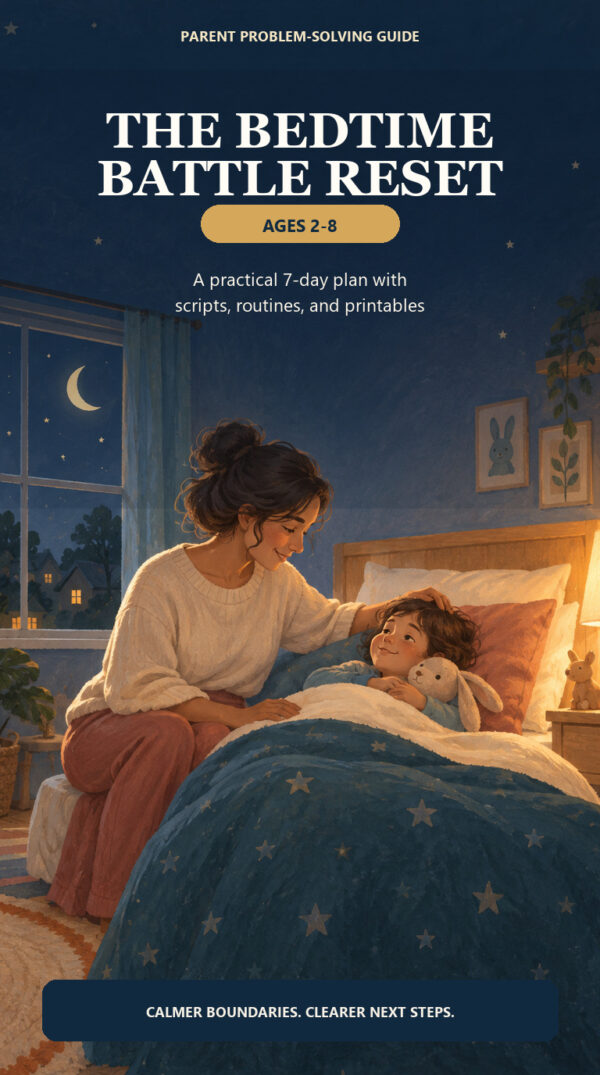
The Bedtime Battle Reset: A 7-Day Parent Guide for Ages 2-8
- Instant Downloadable & Printable PDF (Print at home or read on tablet)
- Soothing bedtime illustrations & gentle character-building moral
- Specially crafted for kids ages 3 to 8

-

The Bedtime Battle Reset: A 7-Day Parent Guide for Ages 2-8
$17.00 Add to cart -
Mountain Trail Dot-to-Dot: Number Connections for Ages 5–6
$5.00 Add to cart -
Tiny Tails Baby Animal Parade – Printable Baby Animal Coloring Book for Kids Ages 3-8
$5.00 Add to cart -
Sprinkle Street Sweethearts – Printable Sweet Treat Coloring Book for Kids Ages 3-8
$5.00 Add to cart