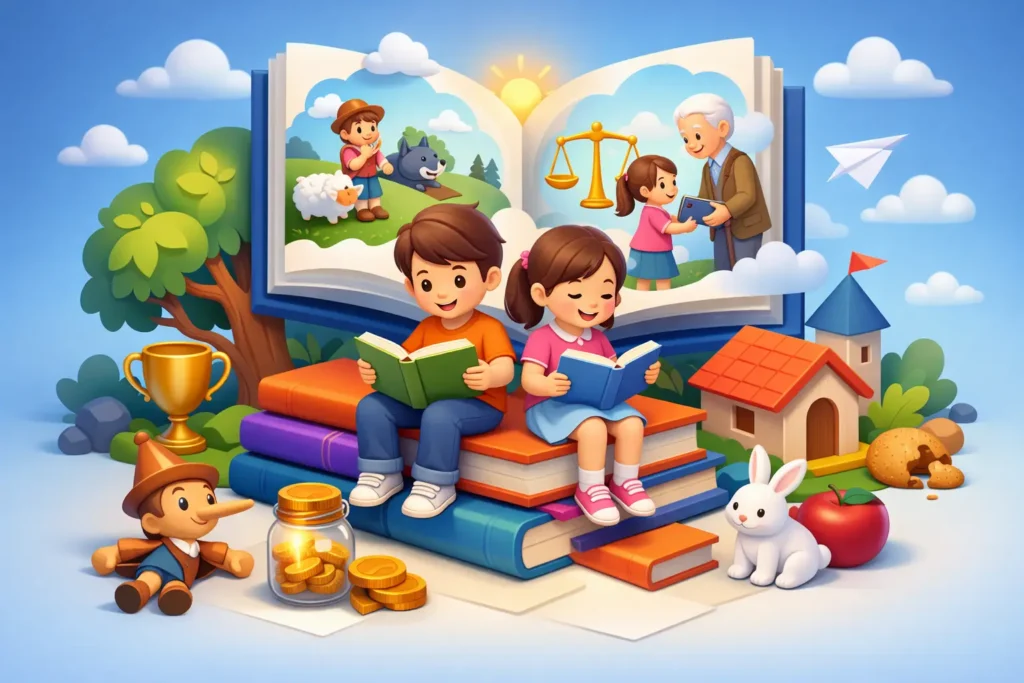
Looking for honesty stories for kids? Below are ten choices: classic tales, published picture books, one of our illustrated PDF books and two original mini-stories you can read here for free. Each gives you a way to discuss truth, trust or making a mistake right.
The published books are recommendations to find through a library or bookseller; their full texts are not reproduced here. Our own PDF is identified separately. For another moral theme, try our complete fairness stories.
What makes a good honesty story?
The most helpful stories about honesty do more than punish a character for lying. Young children need to understand why truthfulness matters: it helps people feel safe with one another, gives adults the information they need to help, and makes it possible to repair a mistake.
Look for stories with a clear conflict, an age-appropriate consequence, and a hopeful resolution. A child should come away knowing that honesty is not about being perfect. It is about choosing truth, even when the truth feels uncomfortable.
Some classic tales use frightening consequences or very broad lessons. Those can still be meaningful for older elementary readers, but preschoolers often respond best when an adult softens the message and emphasizes the caring choice at the center of the story.
10 honesty stories and books for children
1. The Boy Who Cried Wolf
This familiar fable is a strong starting point for talking about trust. A shepherd boy repeatedly tricks villagers by claiming that a wolf is near. When danger finally comes, no one believes him.
The story’s lesson is easy to understand: when someone lies often, people may struggle to believe them later. For younger children, keep the conversation focused on rebuilding trust. Ask, “What could the boy do tomorrow to show the villagers he wants to be truthful?” This helps the story feel instructive rather than simply scary.
2. The Honest Woodcutter
In this classic folktale, a poor woodcutter loses his iron ax in a river. When offered gold and silver axes, he admits they are not his. His honesty is rewarded when he receives his own ax back, along with the others.
Children enjoy the clear choice in this story. It opens a simple discussion about taking only what belongs to us. It also offers a reassuring message for little ones: telling the truth when no one is watching is still a good choice.
3. The Emperor’s New Clothes
A vain emperor is convinced by clever swindlers that he is wearing magnificent clothing that only wise people can see. Everyone pretends to admire the invisible outfit until a child speaks honestly.
This story is especially valuable because the child’s truth is not about a personal mistake. It is about speaking up when others are afraid to say what they see. For school-age children, it can lead to a thoughtful talk about respectful honesty and the courage to use their voice.
4. Pinocchio
Pinocchio’s growing nose is one of children’s literature’s most memorable reminders that lies can grow into bigger problems. His adventures show how one dishonest choice can lead to worry, confusion, and trouble.
Because full versions can be long and intense, choose a retelling suited to your child’s age. Focus on Pinocchio’s growth rather than his mistakes. He learns that honesty, responsibility, and love help him become someone others can trust.
5. The Empty Pot
In this well-loved folktale, a boy named Ping receives a seed from the emperor and is asked to grow a flower. Despite his careful effort, nothing sprouts. On the day everyone brings beautiful flowers to the palace, Ping arrives carrying an empty pot – and tells the truth.
The Empty Pot is one of the gentlest honesty stories for children because it honors effort as well as truthfulness. Ping does not succeed at growing a flower, but he succeeds at being honest. It is a wonderful choice for children who worry about disappointing adults or getting an answer wrong.
6. The Honest-to-Goodness Truth
In Patricia C. McKissack’s picture book, Libby decides to tell the truth, then discovers that sharing private or hurtful details can upset other people. The story explores honesty alongside consideration for others. See the publisher’s description of The Honest-to-Goodness Truth.
This is an excellent choice for children who are beginning to understand social situations. It teaches an important distinction: being truthful does not mean blurting out every thought. Families can talk about using words that are both honest and kind, such as, “I do not like that game very much. Could we play something else?”
7. Ruthie and the (Not So) Teeny Tiny Lie
Ruthie tells a small lie about finding a special camera, then has to manage the uncomfortable feelings that follow. The story understands something children know well: a “little” lie can feel hard to take back once it has been said.
The gentle illustrations and relatable school setting make this a useful read for preschoolers and early elementary children. Afterward, remind your child that they can always come back and correct something they said. Honest words are welcome, even when they arrive late.
8. The Whispering Clouds (our illustrated PDF)
Jasper the sky magpie makes a dishonest choice over a shiny object. Orla the cloud owl offers guidance as he faces what he has done. This is one of our own paid books, with 12 total illustrated English PDF pages. View The Whispering Clouds and its current price: $5.99. Ask: what makes telling the truth difficult for Jasper?
9. The Broken Flowerpot (free original mini-story)
Ada’s ball struck a flowerpot beside her neighbor’s door. She put the broken pieces behind a bucket and hurried home. Later, she heard her neighbor wondering whether the wind had knocked it down.
Ada held her ball tightly. Then she walked back. “It was my ball,” she said. “I hid the pieces because I was scared.” Her neighbor looked at the empty step. “Thank you for telling me. We still need to make this safe.” Together they swept the path, and Ada helped move the plant into another pot.
Lesson: Honesty does not erase a mistake, but it makes repair possible. Ask: How did Ada help after she told the truth?
10. The Extra Ticket (free original mini-story)
At the school fair, Omar received three game tickets instead of the two he had paid for. His friend pointed to the extra ticket. “You could have another turn.” Omar looked at the queue, then returned to the table.
“I think I got one too many,” he said. The volunteer thanked him and put it back. Omar still had two games to choose. His friend joined him at the beanbag stand. They cheered for one another, and Omar went home remembering his best throw rather than worrying about a ticket.
Lesson: Being honest can mean returning an advantage that is not yours. Ask: What choice did Omar have before anyone noticed?
How to make honesty stories meaningful at bedtime
A story can plant a valuable seed, but the conversation afterward helps it grow. Keep questions simple and free from pressure. “Why do you think Ping brought the empty pot?” or “How did Ruthie feel after telling her lie?” gives children room to think aloud.
If your child connects the story to something that happened that day, listen before offering a lesson. A calm response matters. When children believe adults will help them solve a problem, they are more likely to tell the truth the next time something goes wrong.
It also helps to notice honesty in everyday life. Thank your child for admitting they spilled the juice, forgot an assignment, or made an unkind choice. You can still address the behavior while recognizing their courage: “I am glad you told me. Let’s clean it up together.”
Choosing the right story for your child’s age
For preschoolers, choose short picture books with one clear problem and a warm ending. They are still learning the difference between pretend play, wishes, and deliberate dishonesty, so concrete examples work best.
For children in kindergarten through second grade, stories with relatable school, sibling, and friendship situations are often ideal. They can begin to understand that lying affects how others feel and whether they can trust us.
Older elementary children may be ready for more complicated questions. What if telling the truth hurts someone’s feelings? What does it mean to tell the truth kindly? What should they do when a friend asks them to keep a secret that feels unsafe? At this age, a story can become a bridge to real-life problem-solving.
The goal is not to raise children who fear making mistakes. It is to raise children who know mistakes can be faced with courage. A loving bedtime story, followed by a patient conversation, reminds them that truth is always a good place to begin.
Illustrated honesty stories to keep
For another reading session, our paid story PDFs explore telling the truth and listening before blaming. The books below are separate from the free mini-stories above. Check each product page for the file details.
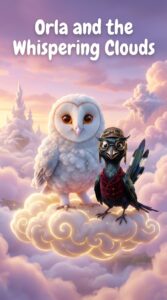
The Whispering Clouds: Honesty Story for Kids (PDF)
High among clouds and stars, Jasper the sky magpie wants a shiny object badly enough to make a dishonest choice. The Whispering Clouds is an illustrated story about honesty. Includes one 12-page illustrated English PDF. Download after purchase to read on screen or print. No physical book is shipped.
More stories on this theme
For more formats, visit the moral story PDF guide or our guide to moral stories by theme.
Frequently Asked Questions
What is a good honesty story for a 5 year old?
The Empty Pot and a gentle retelling of The Honest Woodcutter work well, because the choice is simple and the consequence is easy to understand.
How do I teach honesty without shaming my child?
Focus on the character in the story first, then invite your child to talk about the choice. Ask what the character could do next instead of labeling anyone as a liar.
At what age do children understand stories about lying?
Understanding varies. Start with a concrete choice, such as returning something or admitting a spill, and check what your child thinks happened before introducing a more complex example.
Are honesty stories only useful after a child lies?
No. Reading them regularly builds the language of truth before a hard moment happens, which makes the conversation easier when it does.
Where can I find printable honesty stories for kids?
Our illustrated honesty PDFs are linked above. The two original mini-stories are free to read here; the PDF books are separate paid products.
-

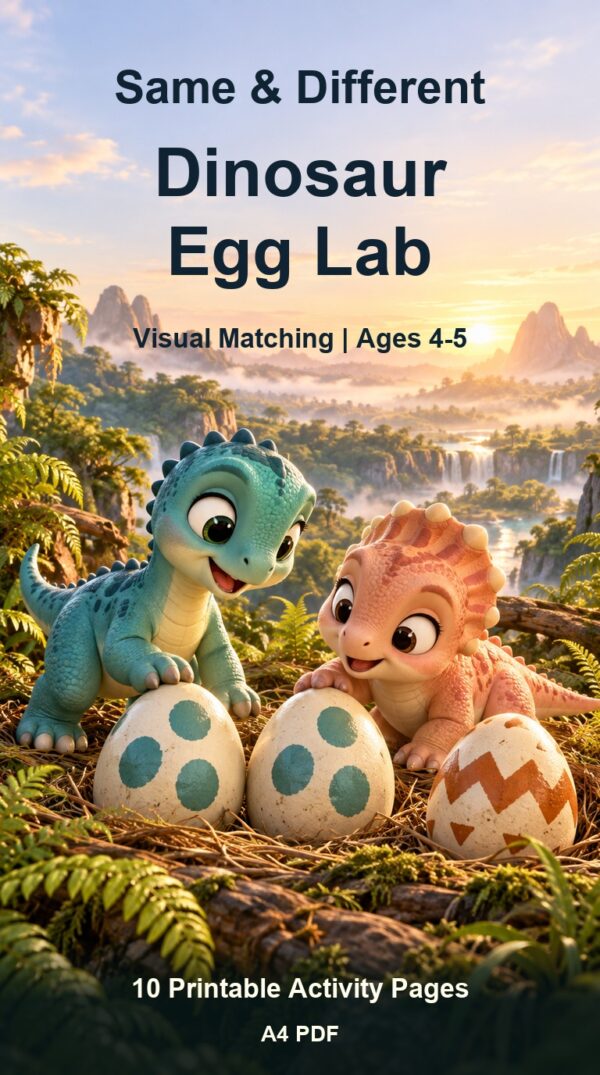
Same and Different Worksheets for Ages 4-5: Dinosaur Egg Lab (Printable PDF)
$2.99 Add to cart -
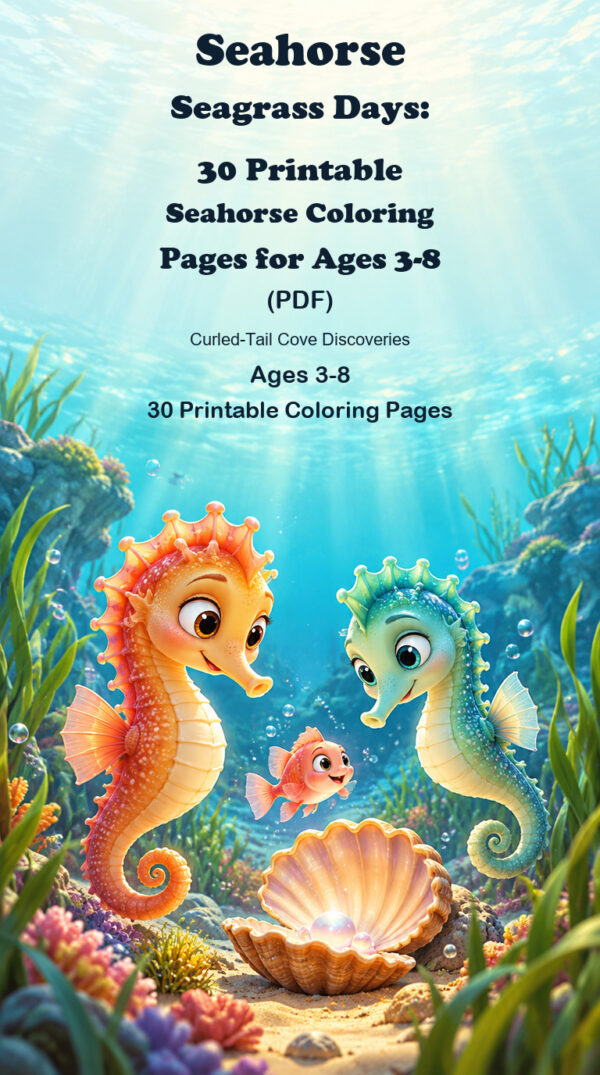
Seahorse Seagrass Days: 30 Printable Seahorse Coloring Pages for Ages 3-8 (PDF)
$3.99 Add to cart -
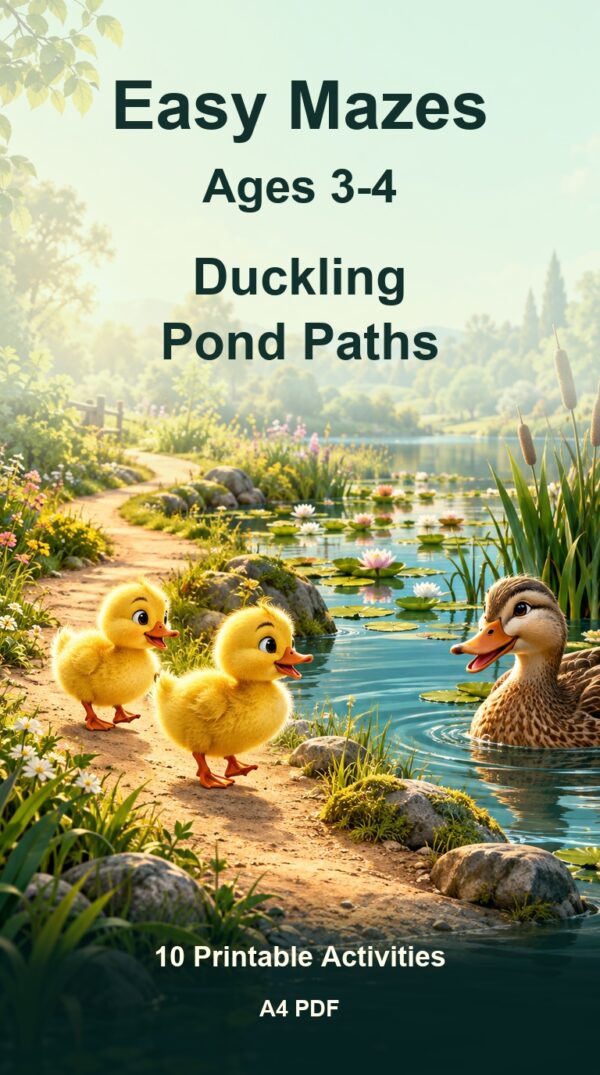
Easy Mazes for Ages 3-4: Duckling Pond Paths (Printable PDF)
$2.99 Add to cart -
Octopus Reef Days: 30 Printable Octopus Coloring Pages for Ages 3-8 (PDF)
$3.99 Add to cart