
A downloaded story can become a much-needed reset when the evening feels rushed. Learning how to use printable storybooks gives families a simple way to put a warm, purposeful reading moment back into bedtime – without searching for a book, waiting for a delivery, or handing a child another screen.
Printable storybooks are especially helpful on the nights when a child needs connection, reassurance, or a gentle reminder about a value such as kindness, honesty, or patience. With a few thoughtful choices, a PDF story can feel just as special as a book pulled from a shelf.
Start With a Story That Fits the Moment
The best story is not always the longest one or the one with the most colorful cover. It is the story that meets your child where they are. If your child has been struggling to share, a story about fairness or generosity can open a conversation without making them feel singled out. If they are nervous about a new school, friendship, or change at home, a story about courage, wisdom, or kindness may offer comfort.
Looking for a calming bedtime activity?
Download our soothing coloring storybooks — 30+ delightful printable pages for children ages 3–8. Ready to print instantly for only $17.00!
For preschoolers, choose shorter stories with clear language, expressive illustrations, and one easy-to-follow lesson. Young children often enjoy hearing the same story many times because repetition helps them understand both the words and the message. For early elementary readers, select stories with a little more plot and invite them to help read familiar words or dialogue.
A moral story should never feel like a lecture at the end of a long day. The lesson works best when it grows naturally from what a character experiences. Your child may remember the brave rabbit, honest child, or helpful friend long after they forget a direct reminder from an adult.
Download and Print for Easy Reading
One of the greatest benefits of printable storybooks is flexibility. You can download a story when you need it, print it in minutes, and make it part of your family’s reading collection. A standard home printer and plain paper are enough to begin.
If you plan to read a story once before bed, printing the pages single-sided can make it easy for small hands to hold and turn. If you expect to revisit it often, print on both sides to save paper, then staple the pages along the edge or place them in a simple folder. A three-ring binder can become a growing family storybook library, with each story protected in a clear sleeve.
Color printing can make illustrations more inviting, particularly for younger children, but it is not required. Black-and-white pages still hold plenty of storytelling magic. In fact, some children enjoy coloring a favorite scene the next day. If ink and paper are limited, you can read the PDF together on a device in a quiet setting, then keep the screen dim and free from notifications. For bedtime, a printed copy usually creates fewer distractions and makes it easier to settle into a calm routine.
Create a Small Reading Ritual
Children respond well to familiar cues. A printable storybook becomes more meaningful when it appears as part of a predictable pattern rather than a last-minute activity. You do not need an elaborate setup. A comfortable spot, a soft light, and ten focused minutes can be enough.
Nurture kindness & empathy tonight
Explore our gentle moral bedtime fables for children ages 3–8. Heart-warming character-building stories ready to read instantly for only $17.00!
Try choosing the story after pajamas and before the final goodnight. Let your child carry the printed pages to the reading spot or choose between two age-appropriate options. That small choice can be especially helpful for children who resist bedtime because it gives them a sense of participation.
Read slowly enough for your child to enjoy the pictures, characters, and turning points. You do not have to perform every voice perfectly. What matters most is that your child hears your attention and warmth. Pause when something surprising happens. Let them point out details. When a page makes them laugh, allow room for the laughter before moving on.
Consistency matters more than length. Some evenings may only allow for one short story. Other nights, your child may want to reread a favorite tale or talk for a few extra minutes. Both are valuable. The goal is not to complete a perfect reading plan. It is to make story time a dependable place for connection.
How to Use Printable Storybooks for Character Talks
A story about positive values offers a gentle bridge into topics that can otherwise feel difficult. After reading, ask one or two simple questions instead of turning the moment into a quiz. Questions such as, “How do you think the character felt when that happened?” or, “What would you do if you were there?” help children practice empathy and decision-making.
If the story centers on honesty, you might say, “Telling the truth can feel hard sometimes. What helped the character make a good choice?” For a story about kindness, ask your child to name one kind thing they noticed. Keep your response encouraging, even if their answer is brief or unexpected. Children often process a story quietly and may return to it later during play or conversation.
It also helps to connect the message to everyday life with a light touch. “That reminds me of how you helped your sister find her shoe today,” feels more encouraging than, “You should act like the character.” The purpose is to help children recognize the value in action, not to compare them to a fictional hero.
Bed Time Kids Fables is designed around this kind of meaningful reading, pairing engaging tales with clear character lessons that families can revisit when the moment calls for it.
Extend the Story Beyond Bedtime
Printable books can support learning long after the final page. The next morning, invite your child to draw their favorite scene or retell the story using toys. Ask them to put three main events in order: what happened first, what problem came next, and how the character responded. These simple activities strengthen comprehension without making reading feel like homework.
For children who are beginning to read independently, place a familiar printable storybook in a quiet basket with crayons and pencils. Because they already know the plot from hearing it aloud, they may feel more confident trying to recognize words on their own. Repeated readings build vocabulary, story awareness, and a sense that reading is something they can do.
In a classroom, childcare setting, or library corner, a printable story can also support a weekly character theme. Read it aloud to a group, then invite children to share examples of the lesson in their own lives. Keep the discussion concrete. Younger children respond best to situations they know: taking turns, telling the truth after a mistake, helping clean up, or welcoming someone who feels left out.
Keep the Collection Useful, Not Overwhelming
It can be tempting to print every story at once, especially when downloads are easy to access. A large stack, however, can make choosing harder for both adults and children. Start with a small rotation of five to eight stories. Include a mix of familiar favorites and one or two new choices.
Store the stories where your child can see them but where they will stay neat. A labeled folder, basket, or binder makes the collection feel special and teaches children that books deserve care. Every few weeks, replace a few titles based on your child’s interests or current needs.
There is no need to force a lesson from every reading session. Some nights, a child simply needs a comforting story and your voice nearby. On other nights, the right character’s choice may lead to a thoughtful conversation that would not have happened otherwise. Both experiences help build a lifelong relationship with books.
A printable storybook is only paper and ink until you sit down together. In that shared, unhurried moment, it can become a familiar comfort, a spark for imagination, and a quiet reminder of the kind of person your child is learning to be.

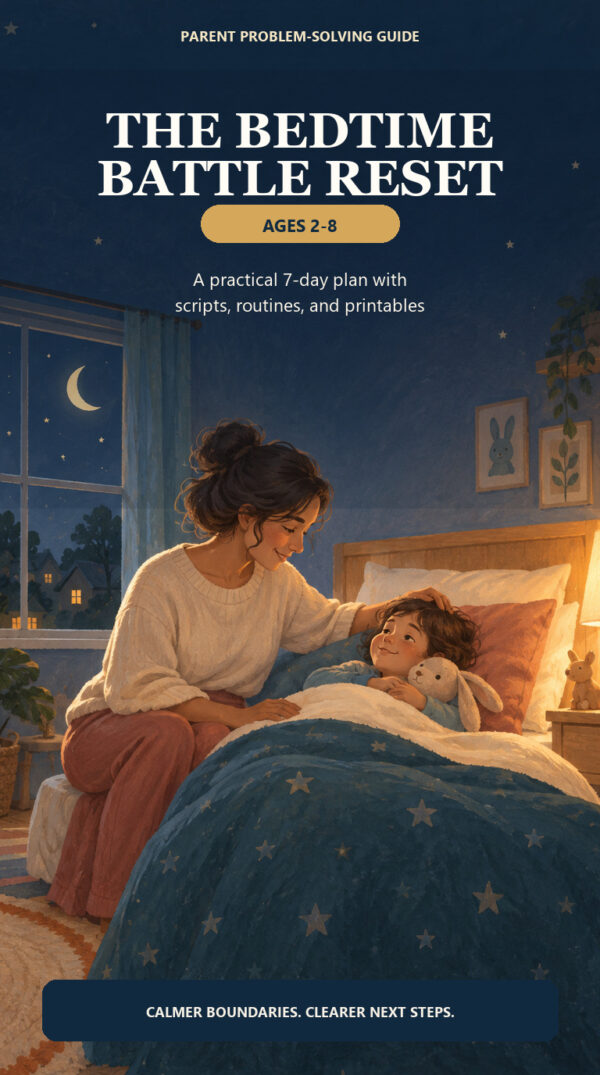
The Bedtime Battle Reset: A 7-Day Parent Guide for Ages 2-8
- Instant Downloadable & Printable PDF (Print at home or read on tablet)
- Soothing bedtime illustrations & gentle character-building moral
- Specially crafted for kids ages 3 to 8

-

The Bedtime Battle Reset: A 7-Day Parent Guide for Ages 2-8
$17.00 Add to cart -
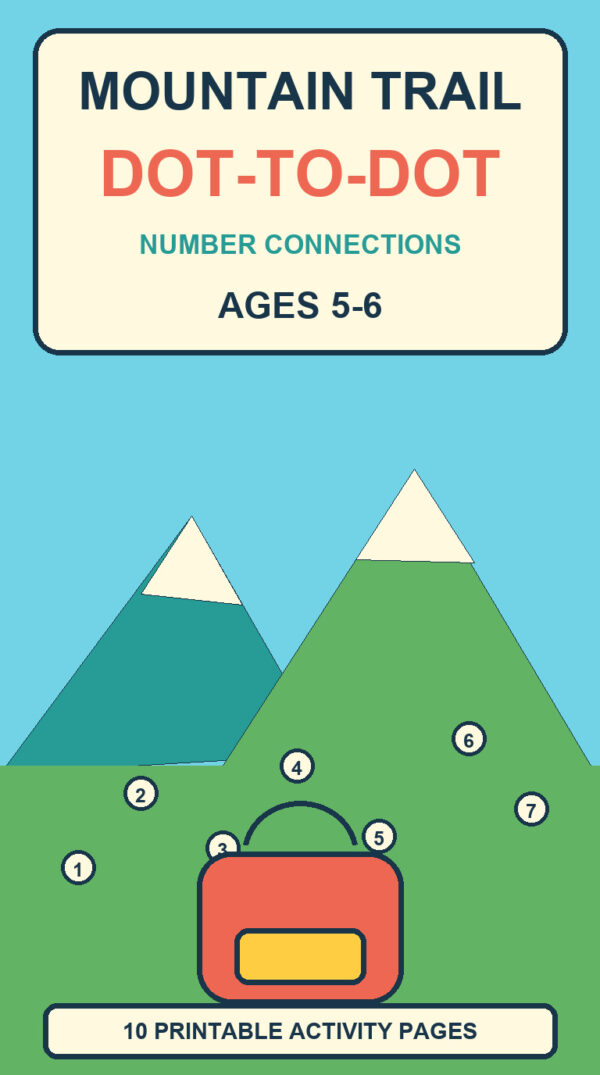
Mountain Trail Dot-to-Dot: Number Connections for Ages 5–6
$5.00 Add to cart -
Tiny Tails Baby Animal Parade – Printable Baby Animal Coloring Book for Kids Ages 3-8
$5.00 Add to cart -
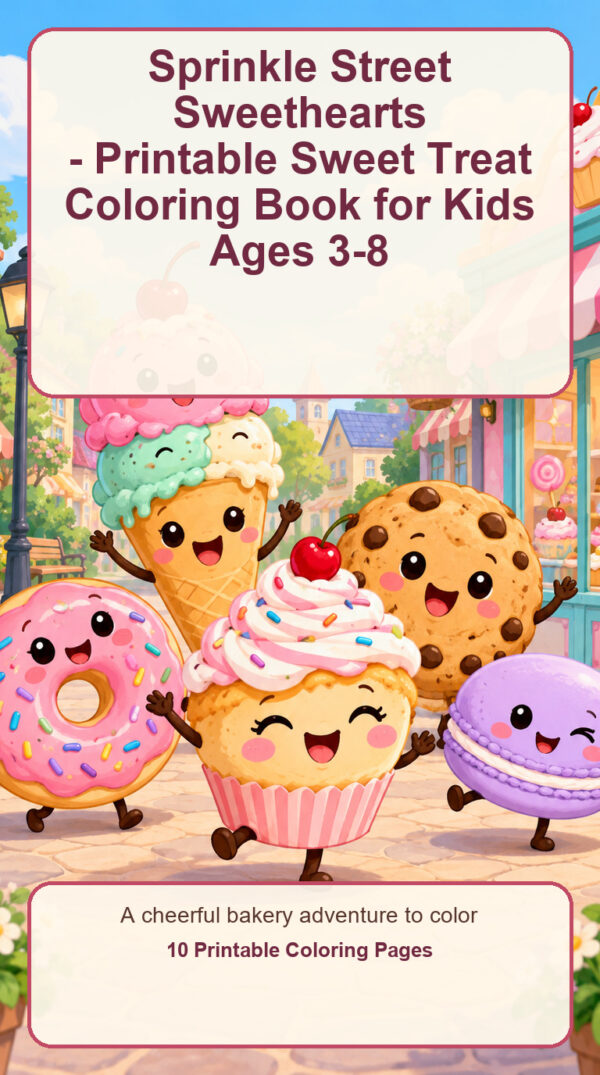
Sprinkle Street Sweethearts – Printable Sweet Treat Coloring Book for Kids Ages 3-8
$5.00 Add to cart