
A child who wiggles, interrupts, or asks to read the same page again is not necessarily losing interest. Often, they are trying to join the story. The best reading engagement examples give children a small, meaningful role in story time, turning bedtime reading from something they are asked to sit through into a moment they help create.
For busy parents, grandparents, and educators, this does not require extra supplies or a complicated lesson plan. A thoughtful question, a silly voice, or a pause before the ending can help a child listen more closely, remember the story, and connect its message to everyday life.
Why engagement matters during story time
When children actively respond to a book, they practice more than early literacy. They build attention, vocabulary, memory, empathy, and confidence in sharing their thoughts. A child who predicts what a character will do is learning to follow story structure. A child who names a character’s feeling is strengthening emotional awareness.
Looking for a calming bedtime activity?
Download our soothing coloring storybooks — 30+ delightful printable pages for children ages 3–8. Ready to print instantly for only $17.00!
Engagement also makes moral lessons feel personal rather than preachy. Instead of simply hearing that kindness or honesty is good, children can consider what those choices look like when a character faces a difficult moment. This is especially valuable at bedtime, when a calm, caring conversation can help children reflect on their own day.
The goal is not to stop every few sentences or turn a peaceful story into a quiz. Young children need room to relax and enjoy the rhythm of being read to. Think of these ideas as gentle invitations. Choose one or two that fit your child’s age, mood, and the length of the story.
12 reading engagement examples for bedtime and beyond
1. Invite children to study the cover
Before opening the book, ask, “What do you notice?” A child may point out a worried-looking rabbit, a dark forest, or a bright yellow door. Then ask what they think might happen. There is no need to correct an unusual answer. Predictions help children see that their ideas belong in the reading experience.
For preschoolers, keep the question simple: “Who do you think this story is about?” Older children can explain what clues on the cover shaped their guess.
2. Pause for a simple prediction
When a character has a choice to make, stop briefly: “What do you think she will do next?” This works beautifully in stories about honesty, fairness, courage, and kindness because the child gets to consider the decision before hearing the outcome.
If your child is tired, offer two possibilities rather than asking an open-ended question. “Do you think he will tell the truth, or hide what happened?” The pause should feel curious, not like a test.
Nurture kindness & empathy tonight
Explore our gentle moral bedtime fables for children ages 3–8. Heart-warming character-building stories ready to read instantly for only $17.00!
3. Use a repeated phrase together
Many children love joining in when a sentence appears more than once. You can invite them to say a character’s cheerful greeting, a magical phrase, or a comforting line before you read it. Repeated language builds confidence because children can participate even before they can read independently.
If a story does not include a refrain, create a small one. When a character is learning to be diligent, you might softly repeat, “One small step at a time.” Soon, your child may say it with you.
4. Give each character a voice
A gentle bear can sound slow and thoughtful. A tiny mouse can sound quick and excited. Character voices often bring a child back into the story when attention begins to drift, and they help children recognize who is speaking.
You do not need theatrical talent. A slight change in pitch or pace is enough. Let your child choose a voice for one character, too. Their giggles are part of the reading memory you are creating.
5. Ask about feelings, not just facts
Questions such as “How do you think he feels right now?” help children look beneath the action. If a character loses a friend’s trust after being dishonest, a child may notice sadness, worry, or regret. If a character shares when it is hard to share, they may recognize pride or relief.
Follow up with, “What makes you think that?” Encourage children to point to the illustration or describe what happened. This gently teaches them to use evidence while honoring their emotional insight.
6. Let children act out one moment
Choose one short scene and invite your child to show it with a gesture. They can tiptoe through a forest, flap like a bird, pretend to carry a heavy basket, or make a surprised face. Movement is especially helpful for energetic children who struggle to stay still during longer books.
Keep the action brief before bedtime. One playful moment can refresh attention without making it harder to settle down afterward.
7. Connect the lesson to real life
After a character makes a choice, ask a warm, low-pressure question: “Has something like that ever happened to you?” A story about humility might remind a child of learning a new skill. A story about unity may bring up a time siblings worked together.
Avoid pushing for a personal answer. Some children will gladly talk, while others prefer to listen. You can share a simple example from your own day first, showing that everyone is still learning.
8. Look closely at the illustrations
Illustrations hold clues that words may not say directly. Ask your child to find a detail: “Can you spot something that tells us this character is nervous?” They might notice lowered eyes, a messy room, or a friend standing nearby.
This is one of the easiest reading engagement examples for children who are not yet ready to answer many story questions. They can point, name colors, and describe what they see while building the habit of paying attention.
9. Try a purposeful pause
After an important event, close the book for just a moment. Let the child sit with it. You might say, “That was a big choice.” Silence can be just as meaningful as conversation, particularly in a bedtime routine.
A pause gives children time to process a lesson about fairness, freedom, or wisdom without rushing them toward the next page. If they want to speak, listen. If not, continue reading gently.
10. Ask children to retell one part
At the end of a story, invite your child to tell you their favorite part or explain what happened first, next, and last. Retelling supports comprehension and memory, but it does not have to be complete. Even one remembered scene is a success.
For younger children, start the sentence for them: “First, the little fox…” Then let them add what they can. For older children, ask what they would include if they were telling the story to a friend.
11. Offer a choice for the next night
Giving children a small say in the reading routine can reduce bedtime resistance. They may choose between two books, select which character gets a voice, or pick one question to answer after the story. Limited choices work better than opening the entire bookshelf when everyone is tired.
A reliable collection of short, value-centered stories can make this especially easy. With a ready-to-download story from Bed Time Kids Fables, adults can offer a meaningful option without adding another errand to the day.
12. Create a quiet closing ritual
End with one calming question: “What is one kind thing you could do tomorrow?” or “What did this character learn?” This helps a story’s lesson stay present after the book is closed, while keeping the mood peaceful.
The answer may be very small: sharing crayons, telling the truth about a spill, or helping put away toys. Small answers matter because character grows through ordinary moments.
Match the activity to your child
Not every child will respond to every idea, and that is perfectly normal. A talkative kindergartner may love predictions and character voices. A tired preschooler may only want to point at pictures and cuddle close. Elementary-age children may be ready for deeper questions about whether a character’s choice was fair.
Watch for signs that the activity is adding joy rather than pressure. If your child turns away, becomes frustrated, or asks to keep reading, let the story lead. The relationship around reading matters more than getting through every question.
You also do not need to make every book highly interactive. Some evenings call for laughter and imagination; others call for a familiar story read softly from beginning to end. A steady reading routine gives children both experiences: the comfort of listening and the confidence of being heard.
Tonight, choose just one invitation from these reading engagement examples. A single question, a shared phrase, or a moment to talk about kindness can help your child feel that the story belongs to them – and that is where a lasting love of reading often begins.

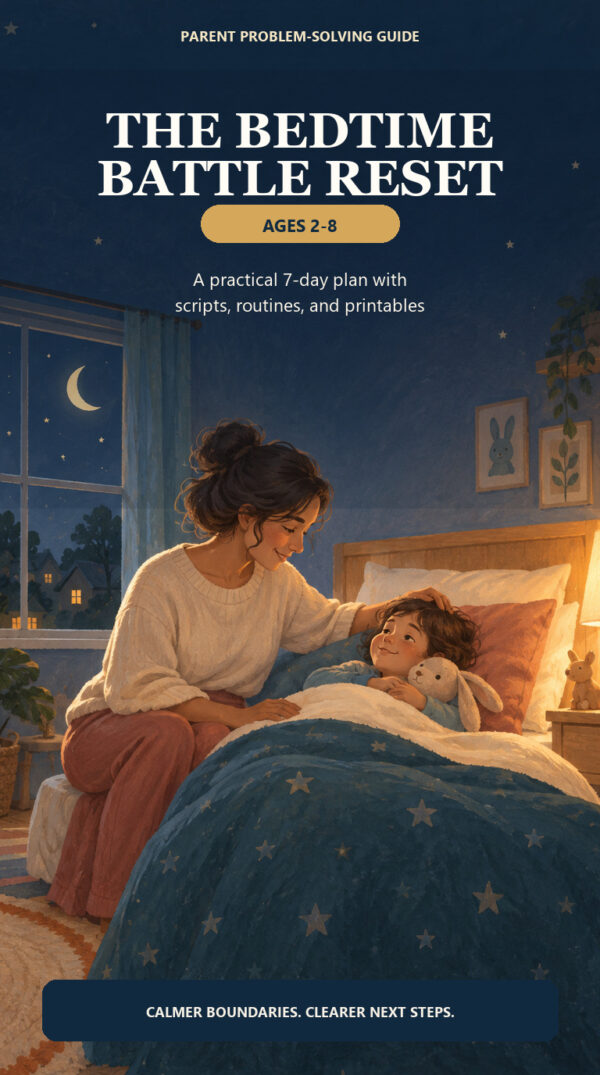
The Bedtime Battle Reset: A 7-Day Parent Guide for Ages 2-8
- Instant Downloadable & Printable PDF (Print at home or read on tablet)
- Soothing bedtime illustrations & gentle character-building moral
- Specially crafted for kids ages 3 to 8

-

The Bedtime Battle Reset: A 7-Day Parent Guide for Ages 2-8
$17.00 Add to cart -
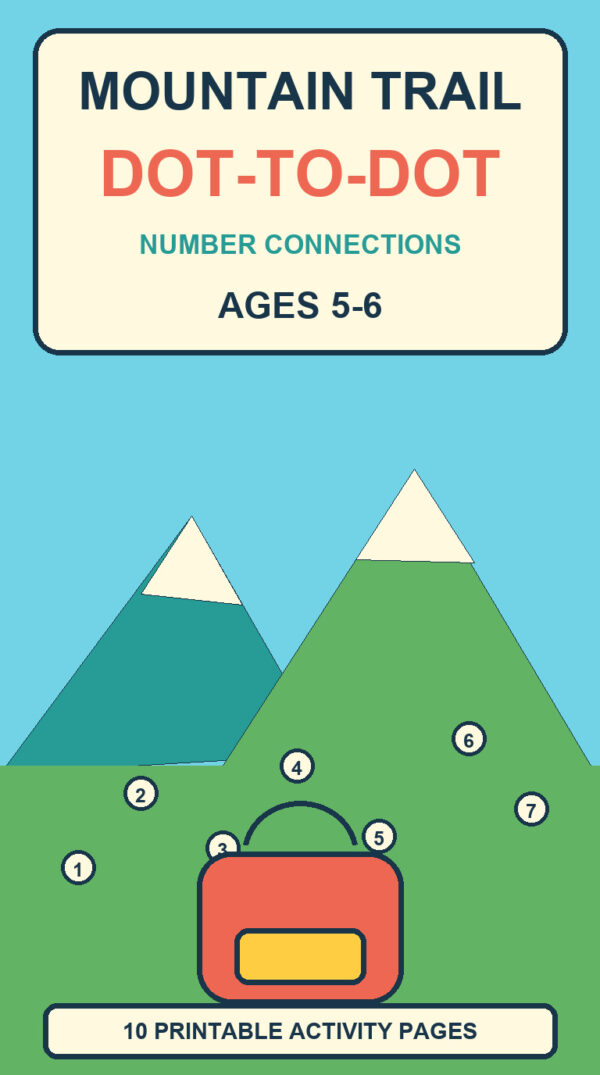
Mountain Trail Dot-to-Dot: Number Connections for Ages 5–6
$5.00 Add to cart -
Tiny Tails Baby Animal Parade – Printable Baby Animal Coloring Book for Kids Ages 3-8
$5.00 Add to cart -
Sprinkle Street Sweethearts – Printable Sweet Treat Coloring Book for Kids Ages 3-8
$5.00 Add to cart