The quietest parts of a child’s day can become some of the most meaningful. Screen free learning trends are growing because many families want simple ways to build literacy, attention, imagination, and character without adding another app or device to the routine. For young children, learning often happens best through a warm voice, a familiar story, a question asked at the right moment, and time to respond.
This does not mean screens are always harmful or that families must avoid digital tools completely. It means more parents and educators are choosing a healthier balance, especially during bedtime, quiet time, and early learning activities. They are looking for experiences that invite children to participate rather than simply watch.
Why Screen Free Learning Is Gaining Ground
Young children spend much of their day receiving information quickly: videos change scenes, games offer instant feedback, and notifications pull attention in many directions. Screen-based resources can be helpful in certain moments, particularly for communication, accessibility, or guided educational activities. But they cannot fully replace the give-and-take of reading together, building with blocks, drawing a picture, or talking through a problem.
Looking for a calming bedtime activity?
Download our soothing coloring storybooks — 30+ delightful printable pages for children ages 3–8. Ready to print instantly for only $17.00!
Screen-free activities give children room to linger. A child can study an illustration, repeat a favorite line, act out a character’s choice, or ask why someone in a story felt sad. Those pauses are not wasted time. They support language development, emotional understanding, and the ability to focus.
For caregivers, this trend is also practical. A printed book, a set of crayons, or a simple storytelling prompt does not need charging, passwords, updates, or supervision for distracting pop-ups. These tools can travel to a grandparent’s house, wait quietly in a bag, and become part of a dependable routine.
Screen Free Learning Trends Families Can Use
The strongest trend is not one particular toy or activity. It is a return to intentional, hands-on learning that fits real family life. The following approaches are appearing more often in homes and early childhood classrooms because they are engaging without being complicated.
Read-Aloud Time With Conversation
Reading aloud remains one of the most powerful screen-free learning habits. The value is not only in finishing a book. It is in stopping to ask, “What do you think will happen next?” or “How could the character make this right?” These small conversations help children connect words on the page to their own choices and feelings.
Moral stories are especially useful for this purpose. A story about honesty, kindness, fairness, or perseverance gives children a safe way to consider difficult situations before they face them in real life. At bedtime, this can turn a few calm minutes into a gentle lesson that feels memorable rather than preachy.
Printable Learning Resources
Families are also choosing printable activities and downloadable storybooks because they combine convenience with an off-screen experience. An adult may purchase or download a PDF online, but the child’s learning happens away from the device once the pages are printed or read together.
Nurture kindness & empathy tonight
Explore our gentle moral bedtime fables for children ages 3–8. Heart-warming character-building stories ready to read instantly for only $17.00!
This option works well for busy parents who need something ready for the evening routine. A short story can be printed for bedtime, tucked into a folder for a car ride, or shared in a small classroom reading corner. Bed Time Kids Fables offers downloadable stories designed around clear character lessons, making it easier to create purposeful reading moments without extensive preparation.
Open-Ended Play and Storytelling
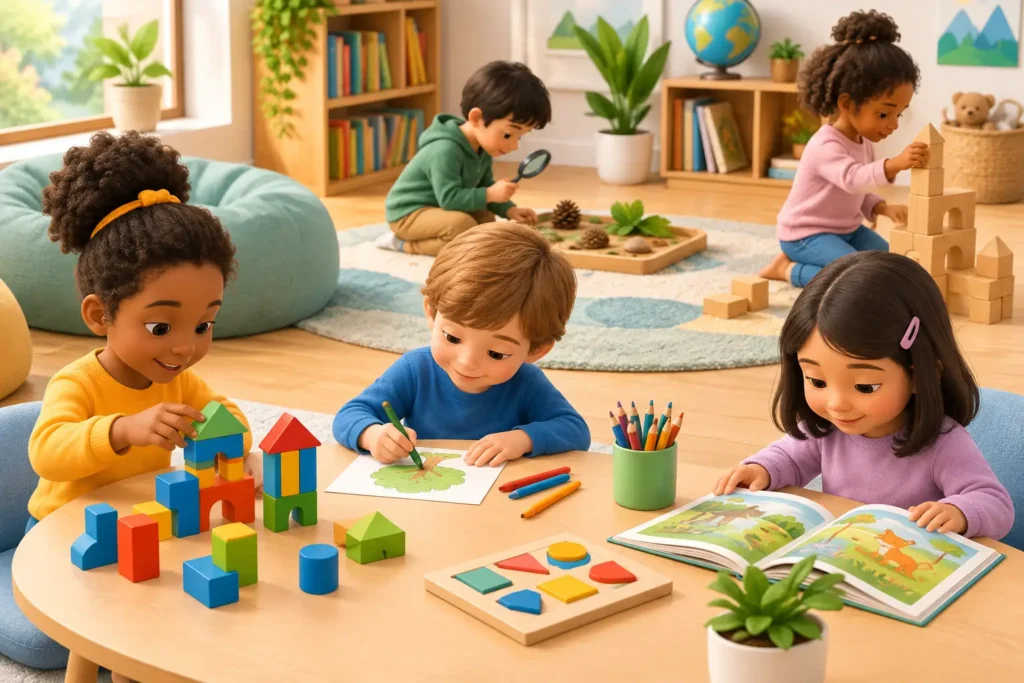
Children do not need elaborate materials to learn creatively. A blanket can become a castle, stuffed animals can become story characters, and a few wooden blocks can become a village with a problem to solve. This kind of play asks children to make decisions, use new vocabulary, and practice cooperation.
Storytelling extends the learning even further. After reading a bedtime tale, invite a child to tell a new ending or imagine what the character does the next day. Preschoolers may answer with only a sentence or two. Elementary-age children might create a full adventure. Both responses build confidence and narrative skills.
Hands-On Routines That Build Independence
Another meaningful screen-free trend is treating everyday routines as learning opportunities. Sorting socks teaches matching. Setting the table encourages counting and responsibility. Watering a plant offers a simple lesson in care, patience, and observation.
The goal is not to turn every household task into a formal lesson. Children also need unstructured time. Still, allowing them to take a real role in family life can strengthen competence and pride. A child who helps choose a bedtime book or prepares a cozy reading spot learns that routines are something they help create, not simply rules imposed on them.
The Role of Bedtime in Screen Free Learning Trends
Bedtime deserves special attention because it is often when screens are hardest to put away. After a long day, a video can feel like the fastest path to quiet. Yet many families find that a predictable screen-light routine helps children settle more peacefully.
A comforting sequence might include pajamas, brushing teeth, choosing one book, and sharing a few minutes of conversation. The order matters less than the consistency. When children know what comes next, they often feel more secure and less likely to resist the transition to sleep.
A short bedtime story also creates a natural bridge between a busy day and a restful night. Unlike fast-moving entertainment, a read-aloud offers a slower rhythm. Children hear a familiar adult voice, see images at their own pace, and have a chance to share worries or hopes sparked by the story.
For a child who resists reading, begin with a brief book and a low-pressure expectation. Let them hold the pages, choose between two stories, or listen while playing quietly with a stuffed animal. The purpose is to create comfort around books, not to make bedtime feel like another assignment.
Choosing Activities That Truly Fit Your Child
Not every screen-free activity will appeal to every child, and that is perfectly normal. A child who loves movement may struggle with a long craft but eagerly act out a story. A child who enjoys drawing may spend twenty peaceful minutes creating a picture of a favorite character. Some children need a parent close by to get started, while others happily work independently.
Consider your child’s age, energy level, and the time of day. After school, a child may need outdoor play or a snack before they can listen to a book. Right before bed, quieter choices usually work best. There is no need to copy a picture-perfect routine from another family.
It also helps to keep activities simple enough to repeat. A complicated project may be fun once, but a beloved story, a basket of crayons, or a nightly question such as “What was one kind thing you saw today?” is more likely to become a lasting habit.
How to Make the Shift Without a Battle
If screens are already a regular part of your child’s routine, an abrupt change may lead to frustration. Start with one protected screen-free window rather than trying to change the entire day. Bedtime is a natural choice because it already has a beginning and end.
Offer an appealing replacement before removing the screen. Instead of saying only, “No tablet,” try, “Tonight you can choose a story about kindness or a story about courage.” Give limited choices so children feel some ownership without becoming overwhelmed.
Adults set the tone, too. When a caregiver puts a phone aside during read-aloud time, the message is clear: this moment matters. Even ten focused minutes can feel deeply connecting to a child who has had to share your attention with work, chores, and daily demands.
A Gentle, Purposeful Way Forward
Screen-free learning is not about creating a perfect home or filling every minute with educational activities. It is about protecting small spaces where children can listen, wonder, create, and connect with the people who care for them. A bedtime story about a brave choice, a conversation about kindness, or a simple game of pretend may seem small in the moment. Over time, those repeated moments help children build the habits and values that stay with them long after the lights go out.

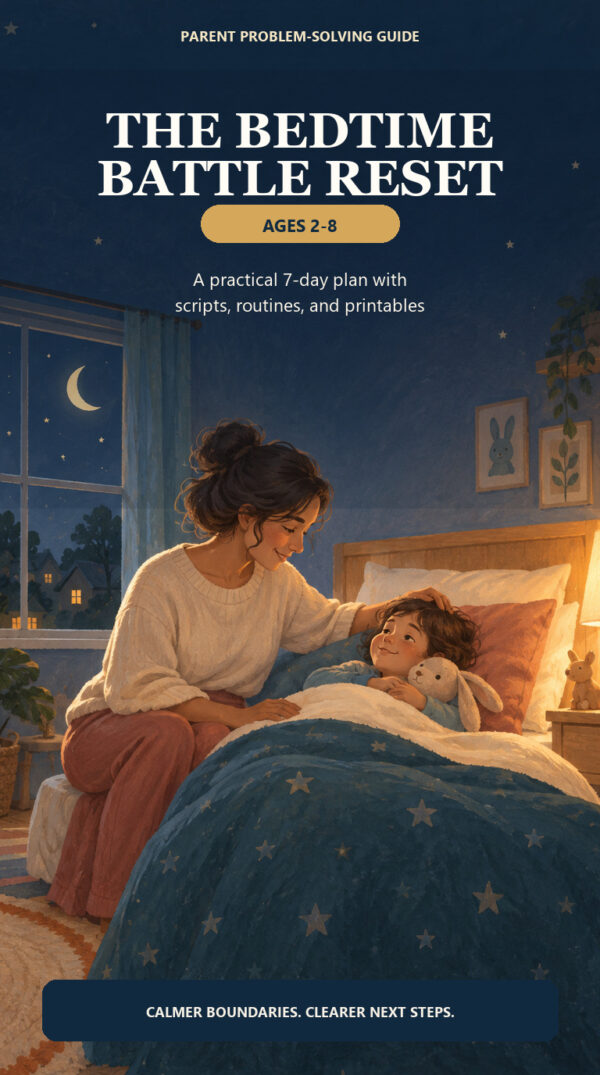
The Bedtime Battle Reset: A 7-Day Parent Guide for Ages 2-8
- Instant Downloadable & Printable PDF (Print at home or read on tablet)
- Soothing bedtime illustrations & gentle character-building moral
- Specially crafted for kids ages 3 to 8

-

The Bedtime Battle Reset: A 7-Day Parent Guide for Ages 2-8
$17.00 Add to cart -
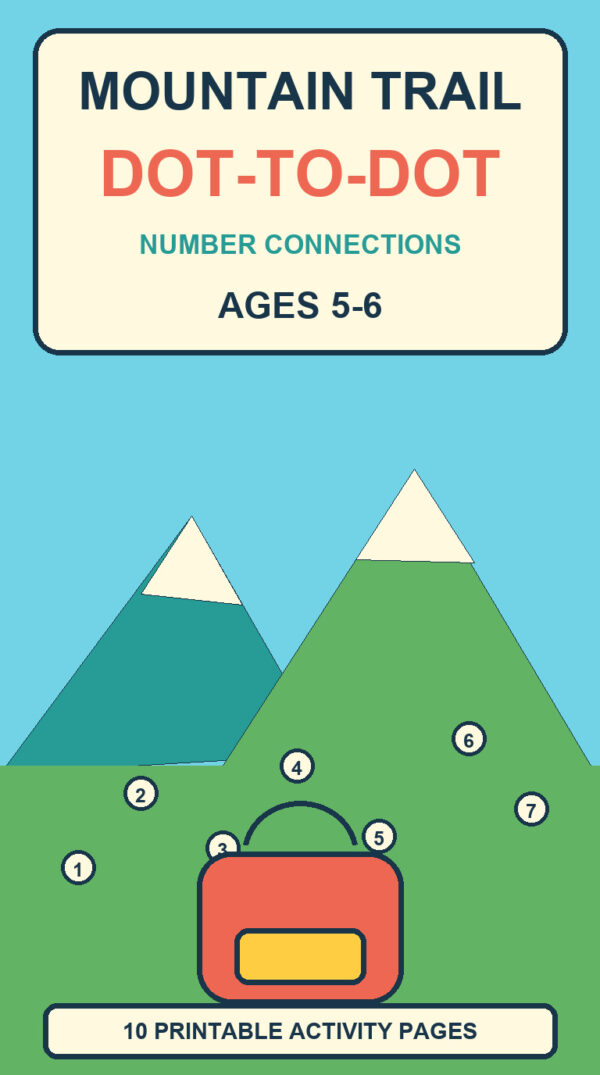
Mountain Trail Dot-to-Dot: Number Connections for Ages 5–6
$5.00 Add to cart -
Tiny Tails Baby Animal Parade – Printable Baby Animal Coloring Book for Kids Ages 3-8
$5.00 Add to cart -
Sprinkle Street Sweethearts – Printable Sweet Treat Coloring Book for Kids Ages 3-8
$5.00 Add to cart