
The moment after pajamas are on can feel surprisingly busy. Someone needs water, another child remembers a missing stuffed animal, and bedtime suddenly turns into one more thing to manage. Learning how to build bedtime reading routine habits that feel comforting rather than complicated can give your family a calmer landing place at the end of the day. A short, meaningful story offers more than quiet time. It helps children feel connected, supports early literacy, and creates a gentle opening for lessons about kindness, honesty, courage, and more.
Start With a Small, Repeatable Promise
A successful bedtime reading routine does not need to begin with a long stack of books or a perfect schedule. In fact, starting too big can make it harder to continue on the nights when everyone is tired. Begin with one story, or even ten peaceful minutes together, and treat that time as a family promise.
Choose a spot that signals rest. It may be your child’s bed, a favorite chair, or a small corner with a soft blanket and a reading light. The setting does not have to look picture-perfect. What matters is that your child begins to recognize it as a place for slowing down and sharing a story.
Looking for a calming bedtime activity?
Download our soothing coloring storybooks — 30+ delightful printable pages for children ages 3–8. Ready to print instantly for only $17.00!
Try to read at roughly the same point each evening. For many families, that means after brushing teeth and before the final goodnight. A predictable order helps children know what comes next, which can reduce bedtime negotiations. If your evenings vary because of work schedules, sports, or family commitments, keep the order consistent even when the clock changes: pajamas, teeth, story, goodnight.
Make Books Easy to Reach
When books are tucked away on a high shelf, story time can become another decision for a tired adult to make. Keep a small bedtime basket or shelf within your child’s reach. Fill it with a manageable selection, perhaps six to ten books, rather than every book in the house.
Include a mix of familiar favorites and a few new choices. Familiar stories are valuable because children enjoy knowing what will happen next. Repeated reading builds confidence, vocabulary, and a sense of comfort. New stories add curiosity and give you opportunities to introduce fresh ideas and character lessons.
For busy caregivers, downloadable storybooks can be especially helpful. You can keep a few saved on a tablet, phone, or print them for a bedside folder when you need a quick choice. If you use a screen for reading, lower the brightness and keep the experience focused on the story rather than notifications or other apps. The goal is a screen-light routine, not a distracting one.
Let Your Child Have a Voice
Giving children a simple choice can prevent a lot of resistance. Ask, “Would you like the animal story or the story about helping a friend?” Two choices are enough. Offering too many can make a young child feel overwhelmed or turn book selection into a lengthy debate.
Your child may choose the same book night after night. That is normal. Repetition is not a sign that the routine is stuck. It often means the story feels safe, funny, or meaningful to your child. You can gently add variety by saying, “We can read your favorite first, then choose a new one tomorrow.”
Nurture kindness & empathy tonight
Explore our gentle moral bedtime fables for children ages 3–8. Heart-warming character-building stories ready to read instantly for only $17.00!
Choose Stories That Match the Evening
Not every children’s book is equally suited to bedtime. A fast-paced, suspenseful story may be wonderful in the afternoon but make it harder for some children to settle. At night, look for stories with a reassuring tone, a clear ending, and language your child can comfortably follow.
Stories that center on positive values can make bedtime reading especially purposeful. A character who tells the truth after making a mistake, shares fairly, works hard toward a goal, or shows humility gives children a safe way to think about everyday situations. The lesson does not need to be delivered like a lecture. Children learn deeply when they can see a character make a choice and experience its result.
Consider your child’s age and temperament, too. Preschoolers often respond well to short stories with repetition, gentle humor, and clear pictures. Early elementary children may enjoy a slightly longer plot and more time to talk about a character’s decisions. A sensitive child may need extra reassurance after a story with conflict, while another child may love discussing how a problem was solved.
Bed Time Kids Fables offers short downloadable bedtime stories designed around character education, which can be a practical option when you want a story that is both engaging and meaningful. Still, the best book is always the one your child is ready to hear that night.
Read With Connection, Not Perfection
You do not need a special reading voice or teaching degree to make story time matter. Your warm attention is the most important part. Read slowly enough for your child to enjoy the words, pause when they want to look at an illustration, and allow room for a quick question.
A few gentle prompts can turn a story into a valuable conversation without making bedtime feel like a lesson plan. You might ask, “How do you think she felt?” or “What was a kind choice in this story?” If your child gives a short answer, that is enough. Some children talk freely at bedtime; others prefer to listen quietly. Both responses are healthy.
Keep conversations brief when sleep is near. A deep discussion about a challenging behavior can wait until the next day. At bedtime, the purpose is to help your child feel loved, heard, and ready to rest. A simple sentence such as, “I like how the character kept trying,” can plant a meaningful seed.
Create a Gentle Ending
A clear ending helps children move from story time to sleep. When the book closes, use the same few words each night: “The story is finished. Now it is time for your body to rest.” You might add a hug, a short prayer, or a moment to name one good thing from the day.
Avoid adding extra activities after the story whenever possible. If reading is followed by another snack, a game, or more screen time, children may begin to see the story as a way to delay sleep. Loving boundaries protect the routine. You can be kind and firm: “We will read another story tomorrow. Tonight, our reading time is done.”
How to Build a Bedtime Reading Routine When Life Is Busy
Some evenings will not go as planned. A child may be sick, you may get home late, or everyone may simply be worn out. On those nights, protect the connection, not the ideal routine. Read one page, tell a familiar story from memory, or look at pictures together for two minutes.
This small version of story time still tells your child, “We are ending the day together.” Keeping the habit alive matters more than finishing a certain number of pages. If you miss a night completely, there is no need to apologize at length or try to make up for it with an extra-long session. Begin again the next evening.
It can also help to prepare in advance. Place tomorrow night’s book by the bed, charge any device you plan to use for a digital book, and keep a soft light nearby. These small steps remove friction at the exact time of day when adults have the least energy for extra decisions.
For households with multiple children, a shared story can work well, especially if the book has a theme everyone can understand. Younger children may listen for the pictures and rhythm while older children follow the plot. If one child needs individual attention, try alternating short one-on-one reading nights or spending two extra minutes with each child after the family story.
Notice the Growth Beyond the Pages
The benefits of bedtime reading often show up quietly. Your child may begin using new words, asking thoughtful questions, or bringing up a character’s choice during the day. They may also start to connect books with comfort and closeness, which is a powerful foundation for a lifelong reading habit.
Do not measure success by whether your child sits perfectly still or remembers every lesson. Young children wiggle, interrupt, request favorite pages, and sometimes fall asleep before the ending. Those are not failures. They are signs that story time has become part of real family life.
Tonight, choose one story, settle in close, and let the pages create a small pause between the busyness of the day and the comfort of sleep. Over time, that quiet pause can become one of the most meaningful gifts you give your child.

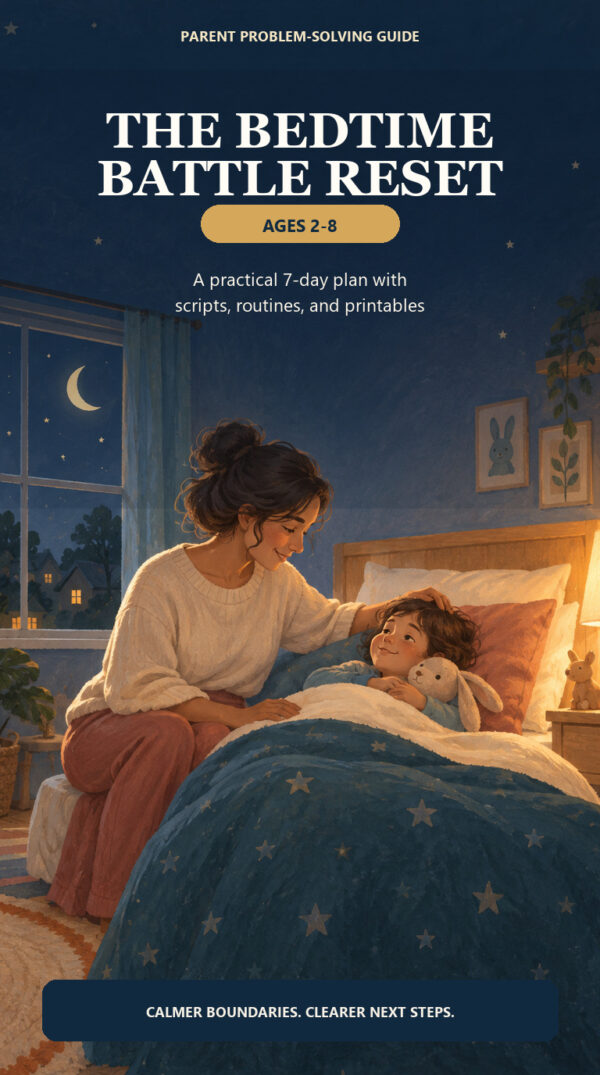
The Bedtime Battle Reset: A 7-Day Parent Guide for Ages 2-8
- Instant Downloadable & Printable PDF (Print at home or read on tablet)
- Soothing bedtime illustrations & gentle character-building moral
- Specially crafted for kids ages 3 to 8

-

The Bedtime Battle Reset: A 7-Day Parent Guide for Ages 2-8
$17.00 Add to cart -
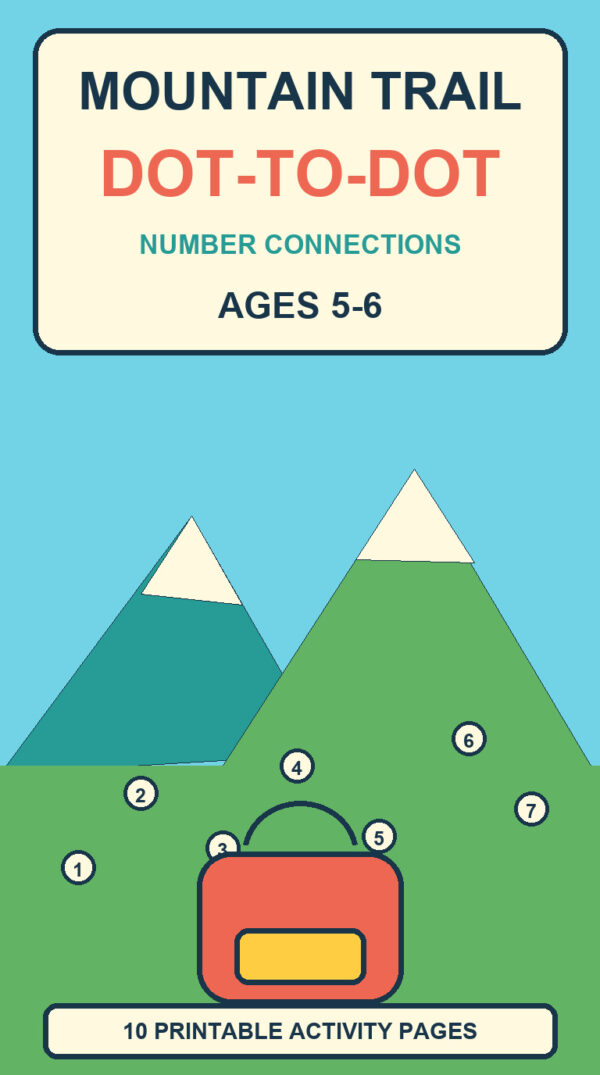
Mountain Trail Dot-to-Dot: Number Connections for Ages 5–6
$5.00 Add to cart -
Tiny Tails Baby Animal Parade – Printable Baby Animal Coloring Book for Kids Ages 3-8
$5.00 Add to cart -
Sprinkle Street Sweethearts – Printable Sweet Treat Coloring Book for Kids Ages 3-8
$5.00 Add to cart