A Parent’s Guide to Story Discussion for Kids
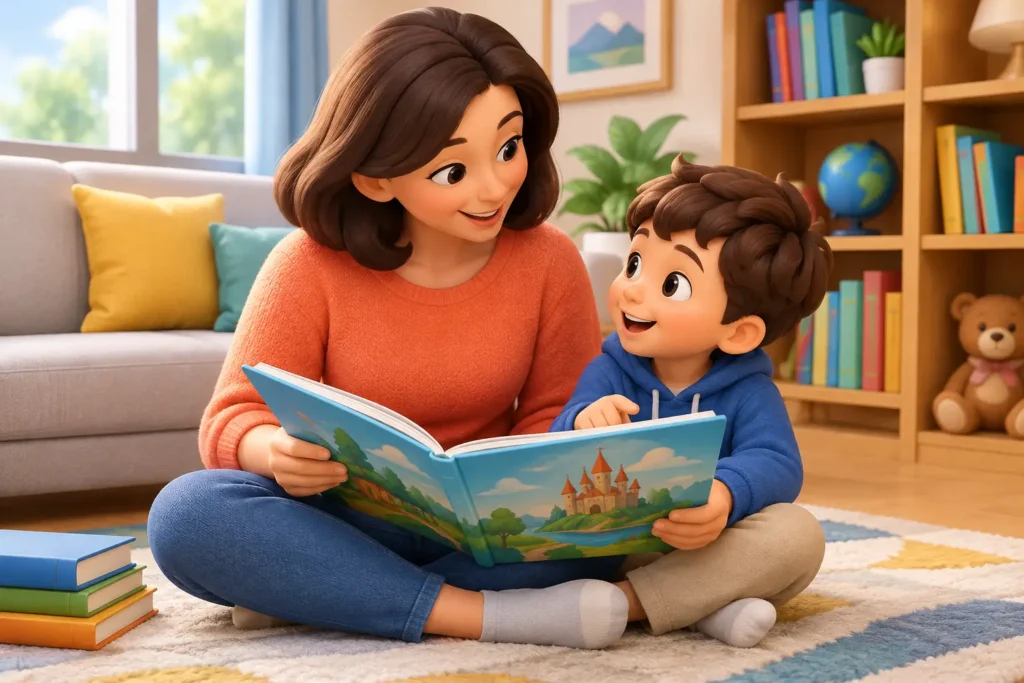
The last page is turned, the lamp is low, and your child suddenly asks, “Why did the bear hide the truth?” That small question is often where the best part of reading begins. This guide to story discussion helps parents, grandparents, and educators turn a favorite bedtime tale into a gentle moment of connection, comprehension, and character learning.
Children do not need a quiz after every story. They need to feel heard, to wonder aloud, and to see that books can help them make sense of feelings and choices. A few thoughtful words can make a story about a brave rabbit, a forgetful friend, or a fair-minded king stay with a child long after bedtime.
Why story discussion matters after reading
Reading aloud supports vocabulary, listening skills, and a love of books. Talking about the story adds another layer. It helps children organize what happened, notice why characters acted as they did, and connect a lesson to their own lives.
For a preschooler, this may be as simple as naming an emotion: “The fox looks disappointed. How do you think he feels?” For an older child, it may mean considering a difficult choice: “Was there a kinder way the character could have handled that problem?” Both kinds of questions build emotional awareness and critical thinking.
Story discussion is especially valuable when a book includes a clear moral. Lessons about honesty, kindness, diligence, fairness, humility, and unity are easier for children to understand when they can talk through a character’s decision. Rather than telling a child what they should learn, you invite them to discover the meaning for themselves.
That invitation matters. Children are more likely to remember a value when they have had a chance to put it into their own words.
A simple guide to story discussion at bedtime
The best bedtime conversations are short, calm, and natural. If a child is tired, one caring question is enough. If they are eager to talk, you can stay with the story a little longer. The goal is not to cover every detail. It is to make reading feel safe, enjoyable, and meaningful.
Start with what your child noticed. Instead of immediately asking what the story taught, try, “What was your favorite part?” or “Which character did you like best?” These questions are easy to answer and give children a comfortable way into the conversation.
Then gently move from events to feelings and choices. Ask what happened, why it happened, and what the character might do differently next time. This natural progression helps children understand both the plot and the people within it.
Finally, make a small connection to real life. If the character shared when it was hard to share, you might ask, “Have you ever had a time when sharing felt difficult?” Keep the connection light. A child does not need to reveal a big personal experience for the conversation to be valuable.
Ask questions with room to wonder
Questions that have one obvious right answer can sometimes make story time feel like schoolwork. Open-ended questions leave room for a child’s imagination and growing judgment. They also show that you truly want to know what your child thinks.
Try these prompts when they fit the story:
- What do you think the character wanted most?
- How did that choice make someone else feel?
- What would you have done in that situation?
- What part of the story felt fair or unfair?
- What lesson do you think the character learned?
You do not need to use all five. Choose one or two that match the child’s age, the story’s theme, and the energy left at the end of the day. A lively child may enjoy imagining a new ending. A sleepy child may only want to say which picture made them laugh.
Match the conversation to your child’s age
A good discussion grows with the child. Younger children often think in concrete terms, so focus on visible actions, facial expressions, and simple feelings. “Was the little mouse being kind?” is easier for many preschoolers than, “What motivated the little mouse?”
Elementary-age children can usually handle more nuance. They may be ready to see that a character can make a poor choice without being a bad person. You can ask whether the character had a reason for acting that way, whether the consequence was fair, or how an apology could repair a mistake.
It also depends on the child. Some children love to talk through every page, while others absorb stories quietly. A quiet child may respond better while drawing the character the next day, acting out the story with toys, or bringing up the lesson during a real-life moment. Discussion does not always have to happen immediately after “The End.”
Keep moral lessons warm, not heavy
A story with a lesson should never feel like a lecture in disguise. If every book ends with a reminder about behavior, a child may begin to resist the very conversation that could help them grow.
Let the story carry much of the teaching. Your role is to notice the lesson with your child and offer gentle language around it. You might say, “It took courage for her to tell the truth,” rather than, “See why you must never lie.” The first response opens a door. The second can close one.
It is also helpful to acknowledge that good choices are not always easy. If a character tells the truth after making a mistake, name the challenge: “I think he was nervous to admit what happened.” This builds empathy while still honoring honesty. Children learn that values are not just rules. They are choices people practice, especially when those choices feel hard.
When your child gives an unexpected answer
Children can surprise adults with what they notice. A child may sympathize with the selfish character because they understand wanting a special toy. They may think a consequence was too harsh. They may even disagree with the ending.
Resist the urge to correct every response. Instead, become curious. “Tell me more about that,” is one of the most useful phrases in a parent’s reading toolbox. It gives your child space to explain their thinking and helps you understand how they see the world.
If an answer seems unkind or concerning, you can guide without shame. For example, if a child says the character deserved to be left out, you might respond, “I hear that you felt upset by what he did. Do you think there is a way he could learn while still being included?” This keeps the focus on repair, empathy, and wiser choices.
Make story talk part of the routine
Consistency helps, but it does not need to be complicated. Choose one familiar moment after reading: tuck in the blanket, ask one question, listen, and end with reassurance. Over time, your child will come to expect that stories are a place where their thoughts matter.
You can also repeat favorite books. Rereading is not a lack of progress. Each return gives children a chance to notice a new detail, understand a character more deeply, or connect the story’s message to something that happened that week. A downloadable storybook can be especially handy for this kind of routine because it is ready when you need a calm, meaningful read.
On busy nights, keep it simple: “What was one kind thing in the story?” On quieter nights, let the conversation wander. Both approaches count. What children remember is not a perfect set of questions. They remember the feeling of being close to a caring adult, held by a good story, and invited to think with an open heart.
Tonight, when you close the book, pause for one small question. You may be surprised by the big idea your child is ready to share.
Our books


-

Same and Different Worksheets for Ages 4-5: Dinosaur Egg Lab (Printable PDF)
$2.99 Add to cart -
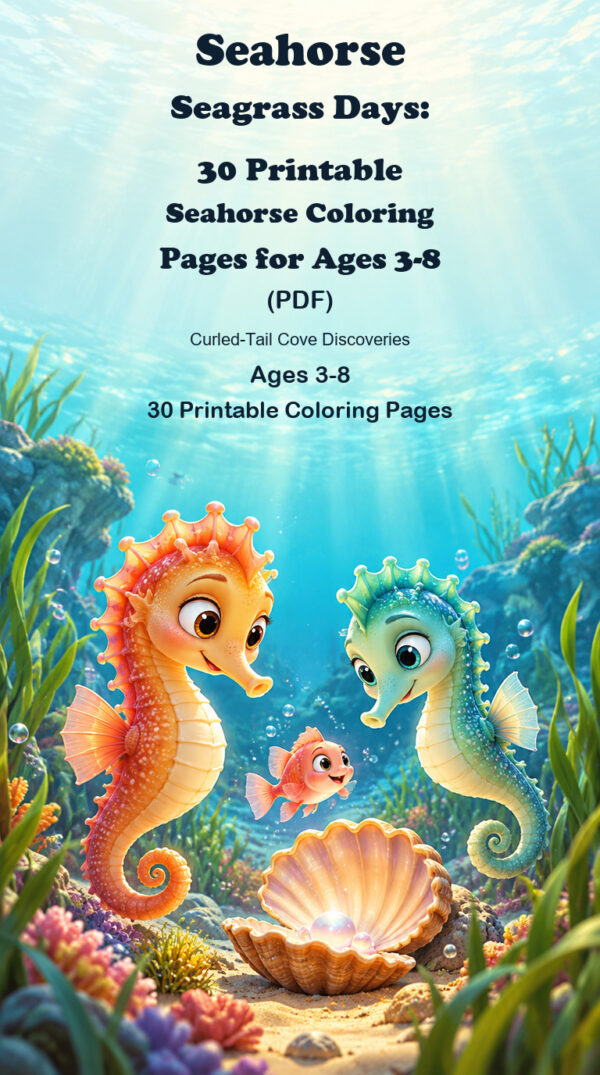
Seahorse Seagrass Days: 30 Printable Seahorse Coloring Pages for Ages 3-8 (PDF)
$3.99 Add to cart -
Easy Mazes for Ages 3-4: Duckling Pond Paths (Printable PDF)
$2.99 Add to cart -
Octopus Reef Days: 30 Printable Octopus Coloring Pages for Ages 3-8 (PDF)
$3.99 Add to cart