
A child who asks for “one more story” is asking for more than a few extra minutes before lights out. They may be seeking closeness, comfort, laughter, or a chance to make sense of something that happened that day. When you make bedtime reading meaningful, that familiar nightly moment can become a gentle place for connection, growing literacy, and character learning.
The goal is not to turn bedtime into a lesson plan. Young children need rest, and busy caregivers need a routine that feels manageable. A meaningful reading routine can be simple: one engaging story, a little conversation, and a warm ending that helps your child feel safe and understood.
1. Protect a small, predictable reading time
Consistency gives bedtime stories their magic. When reading happens at roughly the same point each evening – after pajamas, brushing teeth, or cuddling under the covers – children begin to anticipate it as a calm and dependable part of the day.
Looking for a calming bedtime activity?
Download our soothing coloring storybooks — 30+ delightful printable pages for children ages 3–8. Ready to print instantly for only $17.00!
This does not require an hour of reading. For preschoolers, five to ten focused minutes may be plenty. Elementary-age children may enjoy a longer story or a chapter each night. What matters most is that the routine feels protected. If the evening is especially full, choose a shorter book rather than skipping the connection altogether.
Try to keep the reading space comfortable and low-stimulation. Dim lights, a favorite blanket, and a book within reach can signal that the day is winding down. If your child uses a downloadable PDF story, reading it on a quiet device with notifications off can still feel special, especially when it is part of the same familiar routine.
2. Choose stories with a feeling and a purpose
A fun story is valuable on its own, but stories with a clear heart can offer children language for real-life experiences. A tale about honesty can help a child think about telling the truth after a mistake. A story about kindness may stay with them after a difficult moment with a sibling or classmate.
Choose a theme that fits your child’s season of life without making the story feel like a correction. If they are learning to share, look for a gentle story about fairness or generosity. If they have been discouraged by a hard task, a story about diligence or courage may encourage them. The best moral stories show a character making choices, facing consequences, and growing from what they learn.
It also helps to vary the emotional tone. Some nights call for a silly adventure and a giggle. Other nights call for a reassuring story about friendship, belonging, or bravery. Meaningful does not have to mean serious. Joy, imagination, and wonder are meaningful, too.
3. Pause for one or two caring questions
You do not need to ask questions on every page. Too many interruptions can pull a child out of the story, especially when they are tired. Instead, wait until a natural moment or the end, then invite a brief conversation.
Nurture kindness & empathy tonight
Explore our gentle moral bedtime fables for children ages 3–8. Heart-warming character-building stories ready to read instantly for only $17.00!
Questions that do not have one “right” answer tend to work best. You might ask:
- “How do you think the character felt when that happened?”
- “What would you have done in that situation?”
- “Was there a kind choice the character could have made?”
- “Did this story remind you of anything from your day?”
Listen without rushing to explain the lesson. Children often surprise adults with the connections they make. A four-year-old may focus on a character’s sad face, while an older child may notice that a choice was unfair. Both responses are worthwhile starting points.
If your child gives a short answer, that is okay. A simple “I liked that part too” keeps the conversation welcoming. Bedtime is not the time to press for a perfect reflection. The aim is to show your child that stories are places where thoughts and feelings can be shared.
4. Let your child help lead the ritual
Children are more engaged when they have a little ownership over reading time. Offer two story choices, then let them pick. Invite them to turn pages, point out details in illustrations, repeat a favorite phrase, or give a character a silly voice.
For a child beginning to read, pause occasionally on a familiar word and let them try it. Celebrate the effort, not just the correct answer. Saying, “You noticed the first sound – that was good thinking,” builds confidence without making the story feel like homework.
Older children can take turns reading dialogue or narrating a page. They may also enjoy predicting what will happen next. If they want to revisit the same story night after night, welcome it. Repetition helps children absorb vocabulary, story structure, and the emotional message of a book. Familiar stories can become trusted companions.
5. Connect the lesson to real life gently
A meaningful story can support character development when its message is carried into everyday moments. The key is to make the connection with warmth, not pressure.
After reading a story about humility, you might say, “I liked how the character learned to listen to others.” The next day, if your child lets a friend speak or accepts help with something difficult, you can notice it: “That was thoughtful listening. It reminds me of the story we read.”
Avoid using stories as warnings. Saying, “See, that is what happens when children do not tell the truth,” can make bedtime feel like a lecture. Instead, speak in terms of choices and growth. Children need to know that everyone makes mistakes and can choose a better path next time.
Value-rich stories work especially well because they give families a shared reference point. Rather than delivering a long speech about kindness, you can say, “What would the little fox from our story do here?” A familiar character makes a big idea feel understandable and less personal in a tense moment.
6. Make room for your child’s feelings
Bedtime often brings out feelings that stayed hidden during a busy day. A child may suddenly worry about school, miss a grandparent, or feel upset about a disagreement. Stories can create a safe opening for these emotions.
If a character feels nervous, sad, or left out, pause and normalize it. “Sometimes people feel that way,” is often enough. If your child wants to talk, give them a little space. If they do not, continue the story and let the comfort come from simply being together.
This is one reason a calm story choice matters. A spooky, fast-paced, or highly exciting book can be wonderful at another time, but it may not help a sensitive child settle before sleep. There is no single right choice for every family. Pay attention to what leaves your child peaceful, curious, or comforted rather than overstimulated.
7. Keep the routine realistic on hard nights
Some evenings will not be picture-perfect. There may be a late practice, a missed nap, a sick child, or a caregiver running on empty. On those nights, meaningful reading may be one short fable, a few pages, or even retelling a favorite story from memory while you tuck in the covers.
A simple phrase can preserve the ritual: “Tonight we will read a little story, then tomorrow we can read more.” This reassures children that the routine still matters, even when life is busy. It also helps prevent reading from becoming another bedtime battle.
Ready-to-read short stories can be especially helpful here. Bed Time Kids Fables offers downloadable stories built around clear values, making it easier to choose a meaningful tale when you need one without extra planning.
The story your child remembers years from now may not be the longest book or the most dramatic lesson. It may be the quiet night when you sat close, shared a laugh about a brave little character, and reminded them that they are loved. That is the lasting gift of reading together.

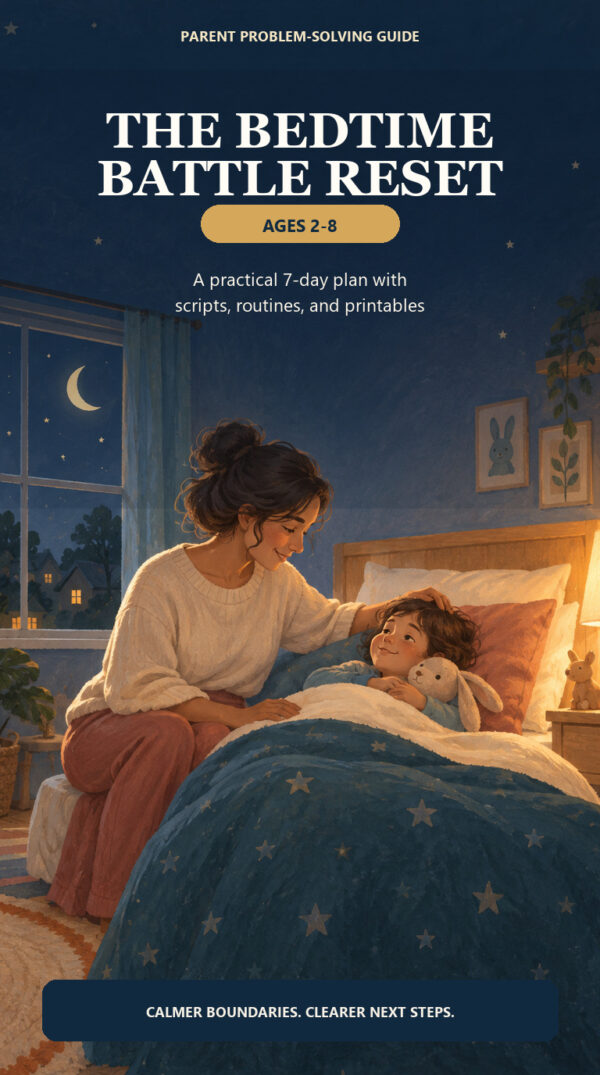
The Bedtime Battle Reset: A 7-Day Parent Guide for Ages 2-8
- Instant Downloadable & Printable PDF (Print at home or read on tablet)
- Soothing bedtime illustrations & gentle character-building moral
- Specially crafted for kids ages 3 to 8

-

The Bedtime Battle Reset: A 7-Day Parent Guide for Ages 2-8
$17.00 Add to cart -
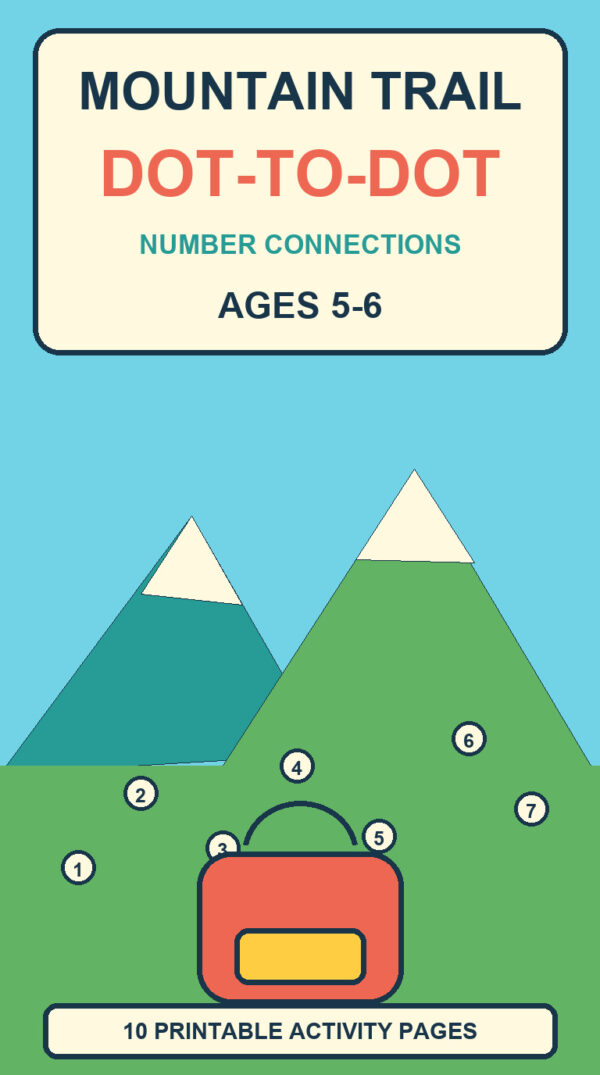
Mountain Trail Dot-to-Dot: Number Connections for Ages 5–6
$5.00 Add to cart -
Tiny Tails Baby Animal Parade – Printable Baby Animal Coloring Book for Kids Ages 3-8
$5.00 Add to cart -
Sprinkle Street Sweethearts – Printable Sweet Treat Coloring Book for Kids Ages 3-8
$5.00 Add to cart