

The best bedtime stories do more than help a child settle under the covers. They give children a safe place to see big feelings, difficult choices, and caring actions come to life. The top character building stories are not always the loudest or most dramatic. They are the ones a child remembers when it is time to tell the truth, include a classmate, try again, or apologize after a hard moment.
For parents, grandparents, and educators, a story can open a conversation that a direct lecture cannot. A child may not want to discuss why they pushed a sibling or refused to share, but they may gladly talk about what a young fox, brave rabbit, or thoughtful child in a story could have done differently. That gentle distance makes learning feel inviting rather than corrective.
What makes a story build character?
A character-building story gives children more than a rule such as “be kind” or “work hard.” It shows what that value looks like in a real situation. The main character faces a choice, experiences a result, and learns something meaningful without being shamed for making a mistake.
Looking for a calming bedtime activity?
Download our soothing coloring storybooks — 30+ delightful printable pages for children ages 3–8. Ready to print instantly for only $17.00!
The strongest stories also leave room for discussion. A child should be able to recognize the character’s feelings, predict what might happen next, and connect the lesson to everyday life. For preschoolers, that may mean naming a feeling or a helpful action. For elementary-age children, it can mean considering fairness, consequences, and another person’s point of view.
A story does not need a perfect hero to teach a valuable lesson. In fact, children often learn more from characters who struggle, make an unwise choice, and find a better path. The goal is not to tell children they must never fail. It is to show them that they can grow after a mistake.
10 top character building stories to share
These story ideas are organized by the lessons many families and classrooms hope to reinforce. Choose the one that matches what your child is experiencing right now, whether that is a sharing struggle, a fear of trying, or a need for more patience.
1. The story of the honest little helper
A child finds a shiny coin on the playground and wants to keep it. After noticing that another child is worried about a missing coin, the main character chooses to return it. This kind of honesty story works because the temptation is understandable. Children can see that telling the truth or doing the right thing may feel difficult at first, but it brings relief and trust.
After reading, ask, “How do you think the helper felt before and after returning the coin?” This keeps the focus on inner feelings, not just praise for following a rule.
2. The story of the rabbit who kept trying
A young rabbit wants to build a small garden but gives up when the seeds do not grow overnight. With patient guidance, the rabbit learns to water, wait, and keep caring for the garden each day. Stories about diligence help children understand that progress is often quiet.
Nurture kindness & empathy tonight
Explore our gentle moral bedtime fables for children ages 3–8. Heart-warming character-building stories ready to read instantly for only $17.00!
This lesson is especially useful when a child is learning to read, practice a new skill, or complete small responsibilities at home. It can gently reinforce that effort matters, even when a result takes time.
3. The story of two friends and one swing
Two friends both want the same swing at the park. One tries to claim it forever, while the other becomes upset. Together, they find a fair way to take turns and make the game more enjoyable for everyone. Fairness stories make an abstract idea easy to picture because children know exactly how hard it can be to wait for a turn.
For younger children, talk about the simple idea of “my turn, then your turn.” Older children can consider whether equal always means fair and how people can solve a disagreement calmly.
4. The story of the small bird who included everyone
A small bird is planning a nest-building party but overlooks a quiet neighbor who is new to the forest. When the bird notices the neighbor sitting alone, an invitation changes the whole day. Kindness stories often work best when they include small, realistic actions: offering a seat, sharing supplies, saying hello, or inviting someone to play.
The lesson is not that children must become friends with every person they meet. It is that everyone deserves to be treated with warmth and respect.
5. The story of the lion who learned to listen
A young lion believes he has all the answers and ignores advice from the other animals. When his plan goes wrong, he learns that wisdom includes listening, asking questions, and considering ideas beyond his own. This is a helpful story for children who are developing independence but still need guidance.
Humility can be a challenging value to teach because adults do not want to dim a child’s confidence. A good story shows that being confident and being willing to learn can exist together.
6. The story of the child who spoke up kindly
A child sees a classmate being left out of a game. Instead of joining in the teasing or staying silent, the child suggests a way everyone can play. Stories about courage do not have to involve dangerous adventures. Everyday bravery can mean speaking kindly, asking for help, admitting a worry, or standing beside someone who needs support.
This is an especially meaningful choice before a new school year, a classroom change, or a situation where your child is learning to navigate friendships.
7. The story of the squirrel who shared the acorns
A squirrel gathers more acorns than it needs and refuses to share as winter approaches. When a storm damages part of its stash, neighboring animals offer help anyway. The squirrel learns that generosity strengthens a community. This story can introduce sharing without suggesting that children must give away every special item they own.
That distinction matters. Children may have belongings they are not ready to share, and that is okay. The larger lesson is noticing when someone needs help and choosing generosity when possible.
8. The story of the brother and sister who made peace
After an argument over a broken toy, two siblings stop speaking to each other. Each feels hurt and certain that the other person should apologize first. A calm moment helps them name what happened, say sorry, and work together to repair the toy. Stories about forgiveness help children understand that an apology includes both words and changed behavior.
They also show that making peace does not mean pretending a hurt never happened. It means addressing the problem with honesty and care.
9. The story of the turtle who chose patience
A turtle wants to rush through every task so it can get to playtime sooner. It spills paint, forgets supplies, and misses a friend’s instructions. When the turtle slows down, it discovers that patience helps it enjoy both work and play. This story can be a comforting choice for energetic children who feel frustrated by waiting.
Instead of asking a child simply to “be patient,” connect the lesson to a familiar moment: waiting for a turn, putting on shoes, or finishing a task before starting another activity.
10. The story of the village that worked together
When a bridge on the path to the village breaks, each animal has a different idea for fixing it. No one can solve the problem alone, but the group succeeds when everyone contributes what they can. Unity stories remind children that people have different strengths and that cooperation is not the same as everyone doing the exact same job.
This is a wonderful story theme for classrooms, team activities, and families working through a busy morning or a shared household task.
How to make the lesson stay with your child
The conversation after a story does not need to feel like a quiz. One thoughtful question is often enough. You might ask what the child liked about the character, what choice was hardest, or what they would do in a similar situation. If your child wants to move on quickly, let the story rest. Children often return to a lesson later, especially when they encounter a similar moment in real life.
Repetition is helpful, too. Reading the same story again is not a sign that your child is bored or behind. Familiar stories allow children to notice new details and practice the language of values: honest, fair, patient, brave, helpful, and kind.
At Bed Time Kids Fables, stories are designed to make those moments feel natural. A short, engaging tale can fit into a busy evening while still giving children something meaningful to carry into tomorrow.
Tonight, choose a story that meets your child where they are. A few calm minutes with a caring character may become the gentle reminder they need when the next real-life choice arrives.
Printable Character Building Stories
Our illustrated storybooks turn character lessons into calm bedtime reading. Each book is an instant PDF download for $5, with unlimited printing for your family.
- Pipin and Jack: The Gentle Giant of the Jungle
- Egon and Miles: The Baker and the Brave
- The Ultimate 10-Book Mega-Bundle
More reading: all moral stories for kids, how moral storybooks build kind kids, and responsibility books for children.
Frequently Asked Questions
What are character building stories for kids?
They are short stories whose characters face an everyday choice, such as telling the truth or sharing, and experience the honest result. The lesson comes from the plot, not from a lecture.
At what age should character education start?
Gentle stories can start at age 3 with simple animal fables. Between 5 and 8 children can discuss why a character chose one path over another.
Which values do stories teach best?
Honesty, kindness, sharing, patience, responsibility, and courage are the easiest to show through story because each one creates a visible choice and consequence.
How do I talk about character after a story?
Ask one open question: what choice did the character make, and what would you have done? Keep it short and let your child lead.
Where can I find printable character building stories?
Bed Time Kids Fables offers instant-download storybooks for ages 3-10. Browse the shop or start with the 10-book mega bundle.

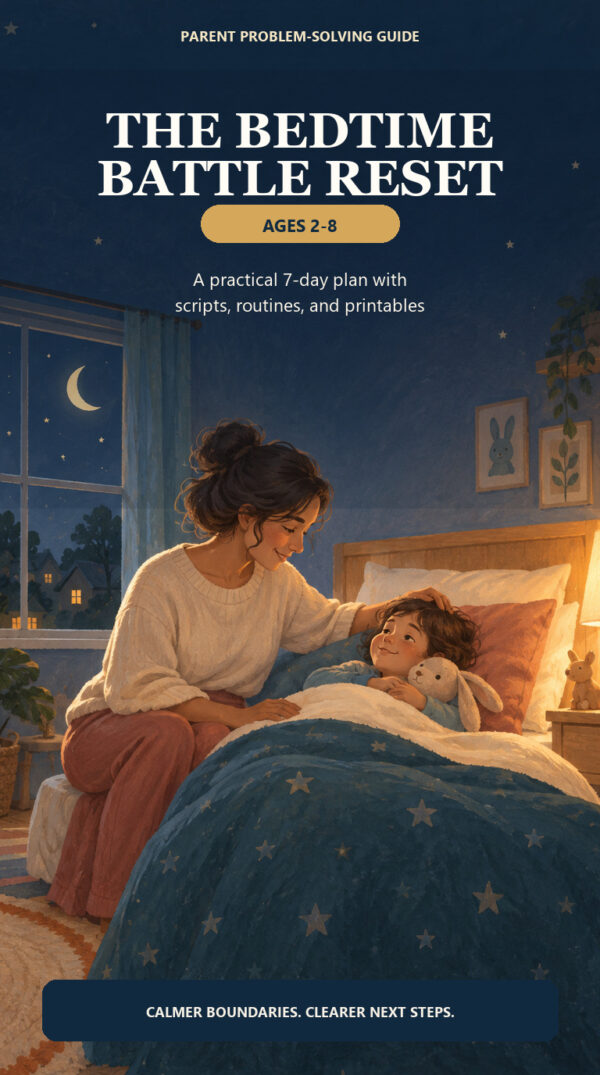
The Bedtime Battle Reset: A 7-Day Parent Guide for Ages 2-8
- Instant Downloadable & Printable PDF (Print at home or read on tablet)
- Soothing bedtime illustrations & gentle character-building moral
- Specially crafted for kids ages 3 to 8

-

The Bedtime Battle Reset: A 7-Day Parent Guide for Ages 2-8
$17.00 Add to cart -
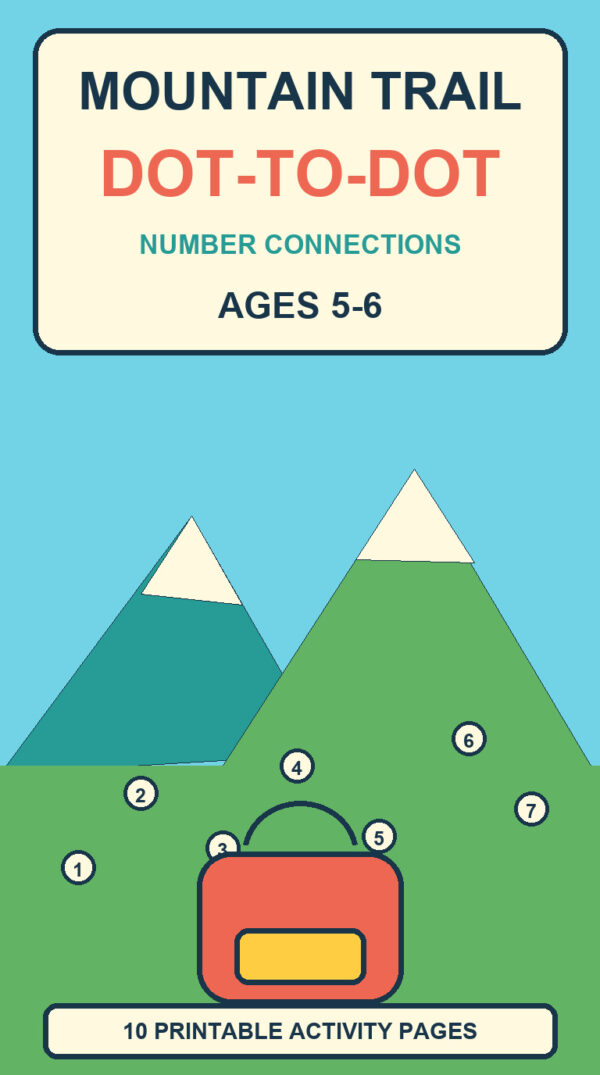
Mountain Trail Dot-to-Dot: Number Connections for Ages 5–6
$5.00 Add to cart -
Tiny Tails Baby Animal Parade – Printable Baby Animal Coloring Book for Kids Ages 3-8
$5.00 Add to cart -
Sprinkle Street Sweethearts – Printable Sweet Treat Coloring Book for Kids Ages 3-8
$5.00 Add to cart