
A child who has spent five minutes avoiding pajamas may suddenly become very interested in a small fox who tells a lie, loses a friend, and finds a better way to make things right. That is the quiet power behind the question, what is a short story with a moral lesson? It is not simply a story that tells children how to behave. It is a brief, engaging tale that lets them see a value in action and feel why that value matters.
For parents, grandparents, and educators, these stories turn a familiar reading moment into something more purposeful. A bedtime story can still be cozy, funny, and imaginative while gently helping a child think about honesty, kindness, fairness, courage, or responsibility.
What Is a Short Story With a Moral Lesson?
A short story with a moral lesson is a brief narrative in which a character faces a choice, experiences the result of that choice, and leaves the reader with a meaningful idea about how to treat others or respond to life. The lesson is the moral. It may be stated plainly at the end, or it may be clear through what happens in the story.
Looking for a calming bedtime activity?
Download our soothing coloring storybooks — 30+ delightful printable pages for children ages 3–8. Ready to print instantly for only $17.00!
For example, a young rabbit might refuse to help neighbors gather food because he would rather play. When rain comes and he needs help himself, he learns that cooperation makes a community stronger. The moral could be, “Helping others helps everyone,” or it could be discussed after the story in a child’s own words.
The best moral stories do not feel like lectures in disguise. Children stay engaged because they care about the character’s problem first. The lesson becomes memorable because it grows naturally from the plot.
Why Moral Stories Work So Well for Children
Young children are still learning how actions affect feelings, friendships, and trust. They may understand a rule such as “be kind,” but they learn more deeply when they can watch kindness unfold in a situation they recognize. A story gives them enough distance to think safely. They can talk about what the bear should have done before considering what they might do themselves.
Short stories are especially helpful for preschool and elementary-age readers because they fit their attention spans and everyday routines. One complete tale can be read before bed, during quiet time, or at the end of a school day. The child gets the satisfaction of a beginning, middle, and ending without needing to hold a complicated plot in mind for several nights.
Stories also make abstract values easier to understand. “Humility” can sound like a large, grown-up word. But a story about a boastful peacock who learns to listen to others gives a child a picture they can remember. The value becomes connected to a character, a feeling, and a consequence.
The Parts of a Meaningful Moral Story
A strong short story with a moral lesson usually begins with a character who wants something simple: to win a race, keep a secret, make a friend, avoid a chore, or prove they are right. That desire leads to a challenge or choice.
Nurture kindness & empathy tonight
Explore our gentle moral bedtime fables for children ages 3–8. Heart-warming character-building stories ready to read instantly for only $17.00!
The character’s decision should matter. If a child sees that the character lies, excludes someone, gives up too quickly, or acts selfishly, the story should show an understandable outcome. Likewise, when the character chooses patience, honesty, generosity, or diligence, that choice should make a difference.
Resolution matters, too. Children need room for hope. A character can make a mistake without being labeled as bad forever. In fact, stories are often most helpful when a character recognizes the mistake, repairs the harm when possible, and tries again. This teaches accountability alongside compassion.
Finally, the language should match the child. A moral story for a four-year-old may use repetition, animal characters, and a very clear lesson. A story for an eight-year-old can include more mixed feelings, such as wanting to be loyal to a friend while also needing to tell the truth.
Common Moral Lessons Children Can Practice
Moral lessons are most useful when they connect to real moments in a child’s day. Honesty can help with broken toys and forgotten homework. Kindness can guide how children speak to siblings, classmates, or a new child on the playground. Fairness can open conversations about taking turns and listening to everyone.
Other valuable themes include diligence, humility, wisdom, freedom, unity, courage, and gratitude. Each one offers a different kind of emotional practice. A story about diligence may encourage a child to keep trying when a task feels hard. A story about wisdom may show that pausing to think can prevent a problem. A story about unity can remind children that people with different strengths can accomplish more together.
It helps to choose the lesson based on what is happening in your child’s life, but there is a gentle balance to keep. If a child has had a difficult day, a story should not feel like a pointed correction. A child who argued with a sibling may benefit from a kindness story, yet they also need the comfort of knowing that everyone has hard moments and can learn from them.
How to Share the Lesson Without Taking Over the Story
After reading, a short pause can make the story even more meaningful. You do not need a long discussion or a perfect answer. One warm question is often enough: “How do you think the little fox felt when no one believed him?” or “What could the rabbit do differently tomorrow?”
For younger children, keep the conversation close to the events of the story. For older children, connect it to everyday life: “Have you ever had to decide whether to tell the truth when it felt hard?” Let them answer without rushing to correct them. Listening shows that story time is a safe place to think.
You can also notice the good choices your child makes later. If they share a toy or admit a mistake, a simple comment such as, “That was honest, like the character in our story,” helps bridge the lesson from the page to real life. Praise the effort, not just the outcome.
Choosing Stories That Feel Right at Bedtime
Bedtime stories need more than a good lesson. They should also help children settle. Look for stories with a reassuring ending, a manageable problem, and language that feels calm rather than overstimulating. Adventure is welcome, but the final pages should leave children feeling safe and hopeful.
A clear moral can be especially comforting at night because it gives the story a sense of order. A problem appears, choices are made, and something is learned. For children whose days can feel busy or unpredictable, that gentle pattern can be reassuring.
Digital storybooks can make this routine easier for busy families. A ready-to-download PDF can be available when you need it, whether you are reading from a tablet, printing a favorite tale, or sending a story to a grandparent who is helping with bedtime. At Bed Time Kids Fables, each story is designed to pair an engaging read with a value children can carry into tomorrow.
A Story Can Be a Small Practice for Life
No single fable will instantly teach a child perfect patience or make sibling conflicts disappear. Character grows through repetition, loving guidance, and many chances to try again. Still, the right story can give children language for a feeling, a model for a difficult choice, and a memorable reminder that their actions matter.
Tonight, choose a tale with a character your child can root for. Read slowly, enjoy the funny parts, and let the lesson rest gently between you. The story may end when the lights go out, but its kindness, courage, or wisdom can stay with a child long after goodnight.

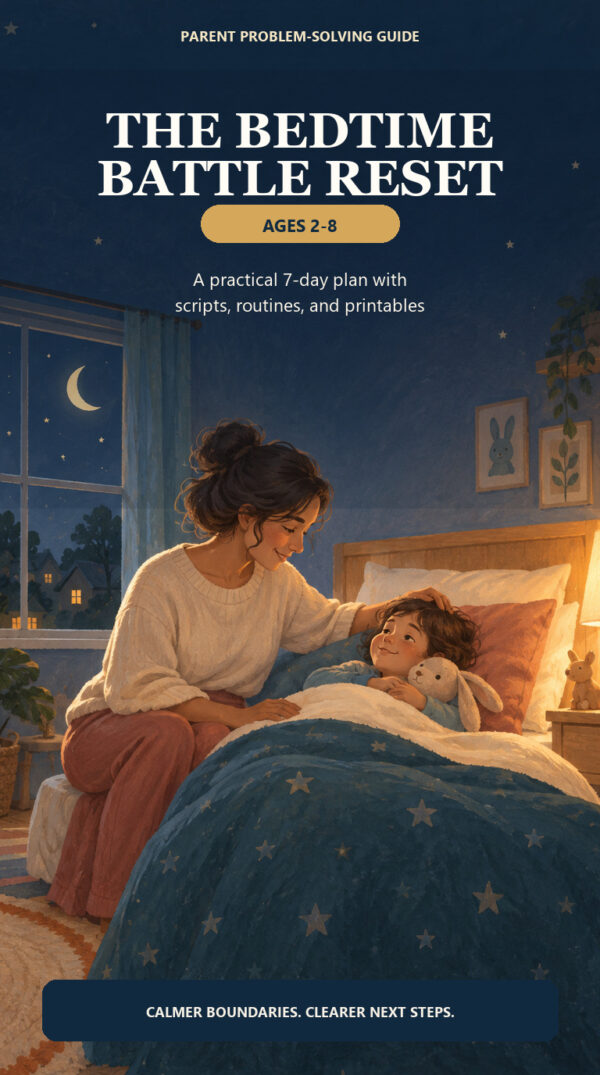
The Bedtime Battle Reset: A 7-Day Parent Guide for Ages 2-8
- Instant Downloadable & Printable PDF (Print at home or read on tablet)
- Soothing bedtime illustrations & gentle character-building moral
- Specially crafted for kids ages 3 to 8
-

The Bedtime Battle Reset: A 7-Day Parent Guide for Ages 2-8
$17.00 Add to cart -
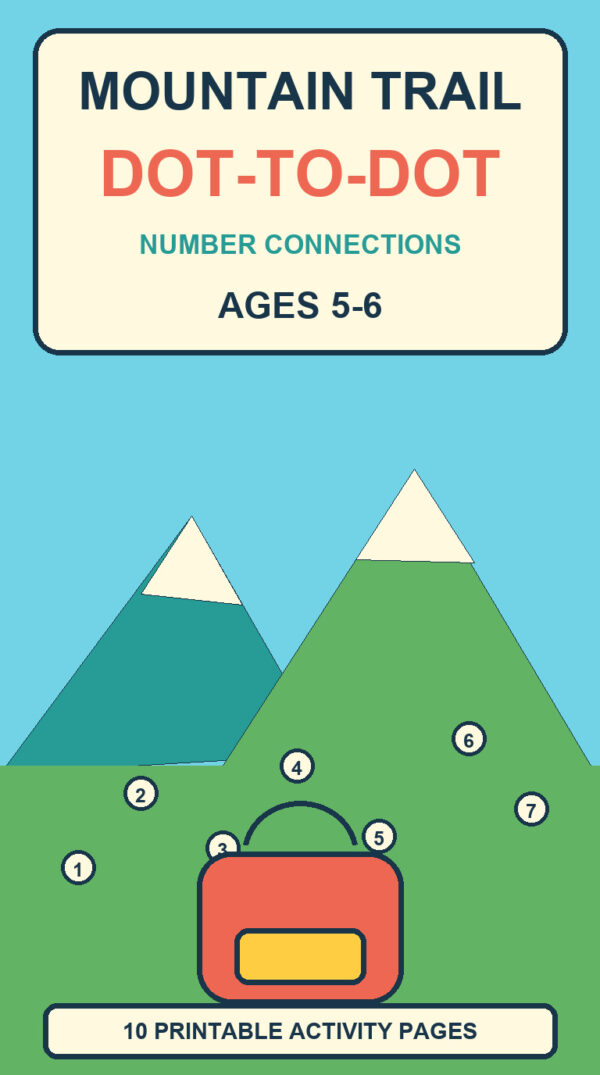
Mountain Trail Dot-to-Dot: Number Connections for Ages 5–6
$5.00 Add to cart -
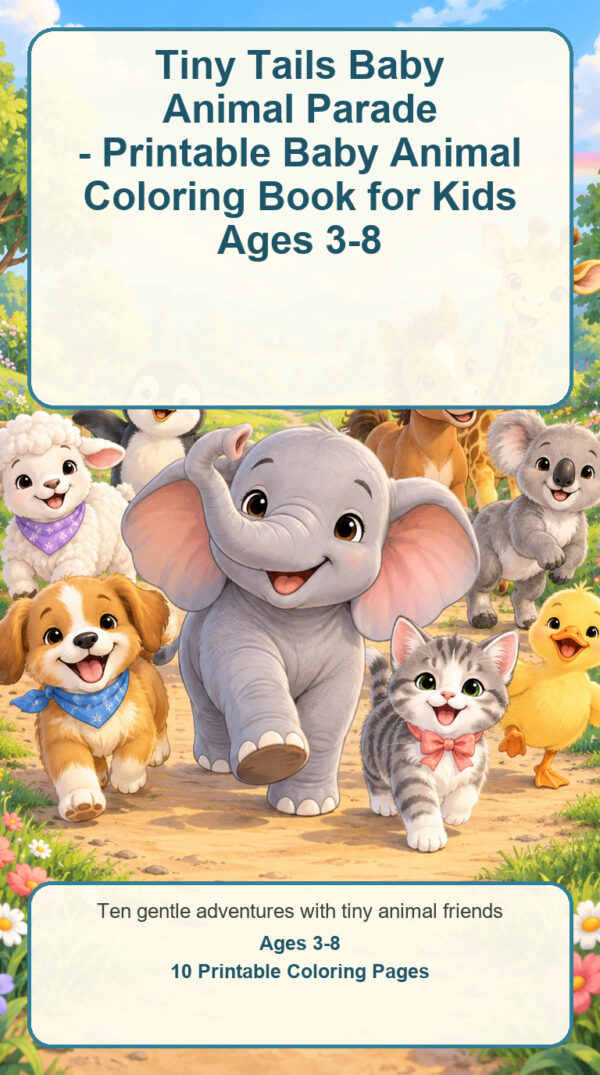
Tiny Tails Baby Animal Parade – Printable Baby Animal Coloring Book for Kids Ages 3-8
$5.00 Add to cart -
Sprinkle Street Sweethearts – Printable Sweet Treat Coloring Book for Kids Ages 3-8
$5.00 Add to cart