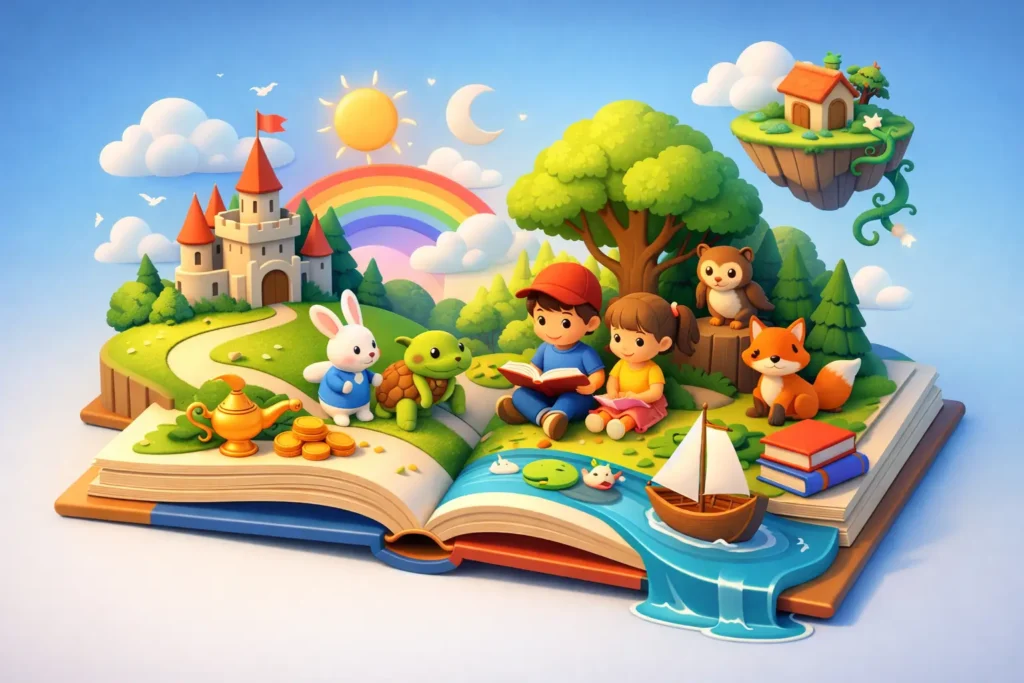
A child who asks for “one more story” is not usually asking for more words. They are asking for comfort, connection, and a little help making sense of the world. That is why short stories with moral lessons for kids can become such a valuable part of family life. In just a few minutes, a simple story can calm a busy evening, hold a child’s attention, and gently introduce the kind of values parents and teachers hope to nurture every day.
For many caregivers, bedtime is one of the only quiet moments left in the day. You may be juggling homework, baths, snack requests, and tired emotions all at once. A long chapter book can feel unrealistic on those nights. A short moral story works differently. It gives children a complete beginning, middle, and end in a manageable format, while also leaving them with one clear idea to carry into the next day.
Why short stories with moral lessons for kids work so well
Young children learn best through examples they can picture. When a character tells the truth after making a mistake, shares with a friend, or keeps trying after failing, the lesson feels real. Instead of hearing a lecture about honesty or perseverance, children see how those values play out in a situation they understand.
Looking for a calming bedtime activity?
Download our soothing coloring storybooks — 30+ delightful printable pages for children ages 3–8. Ready to print instantly for only $17.00!
That matters because moral development is rarely built through instructions alone. Kids need repetition, context, and emotional connection. A story gives them all three. They remember the nervous rabbit who admitted what happened, or the generous child who included someone new, because feelings make lessons stick.
Short stories are also developmentally friendly. Preschool and early elementary children often have limited attention spans, especially at the end of the day. A shorter story respects that reality. It offers enough plot to be engaging without becoming so complex that the message gets lost.
There is also a practical benefit for adults. A short bedtime story is easier to fit into a real routine. You can read one before lights out, use one to settle post-dinner energy, or bring one into a classroom transition. The format is small, but the effect can be lasting.
What makes a moral story helpful instead of preachy
Not every story with a lesson lands well. Children can sense when a story is trying too hard to teach them something. The best moral stories feel warm and natural. They lead with character and situation first, then allow the lesson to emerge through what happens.
A helpful story usually centers on one main value. If a story tries to teach honesty, gratitude, patience, responsibility, and courage all at once, the child may enjoy it but miss the point. Clear is better than crowded.
It also helps when the characters feel age-appropriate. Young readers connect more easily with simple conflicts they recognize, such as telling the truth after breaking something, learning to wait for a turn, or being kind to a sibling. Those moments mirror everyday life, which makes the lesson easier to revisit later.
Nurture kindness & empathy tonight
Explore our gentle moral bedtime fables for children ages 3–8. Heart-warming character-building stories ready to read instantly for only $17.00!
Gentle consequences matter too. A child does not need a harsh or frightening ending to understand a moral point. In most cases, the strongest stories show how a choice affects relationships, trust, or self-respect. That creates reflection without fear.
The moral lessons children respond to most
Some values come up again and again because they fit so naturally into a child’s world. Kindness is one of the most effective themes because children see daily chances to practice it. A kind word, an offered toy, or help for a classmate are actions they can imagine doing right away.
Honesty is another powerful lesson, especially during the early years when children are learning about rules, consequences, and trust. Stories about telling the truth can make difficult moments easier to discuss because the conversation starts with a character, not with your child on the spot.
Diligence and perseverance also deserve more attention than they sometimes get. Many children are quick to say, “I can’t do it” when something feels hard. A short story about trying again can reframe effort as something brave and worthwhile, not something embarrassing.
Fairness, humility, wisdom, and unity can be just as meaningful, but timing matters. Younger children often grasp kindness and honesty first because they are concrete. Older preschoolers and elementary-age readers may be more ready for stories about leadership, inclusion, and good judgment.
How to choose the right short moral story for your child
The best choice depends on your child’s age, temperament, and the moment you are in. A lively child who resists bedtime may need a calm, reassuring story with a simple lesson and a peaceful ending. A child working through friendship struggles may connect more deeply with a story about kindness, sharing, or fairness.
Length matters more than many adults expect. If the goal is bedtime, shorter is often better. A story that takes five to ten minutes can feel complete without becoming stimulating. If the goal is classroom discussion or homeschool reflection, a slightly richer story may give you more to talk about afterward.
Illustration style, sentence rhythm, and emotional tone also shape how a story lands. Some children love playful animal fables. Others respond better to family-based stories that mirror their own experiences. There is no single perfect format. What matters is whether the child feels engaged enough to care about what the character learns.
If you are building a small library, it helps to choose stories with distinct values rather than five books teaching the same exact lesson. That variety gives you more flexibility. One evening may call for a story about patience, while another calls for reassurance, courage, or honesty.
Turning bedtime into a meaningful learning moment
A story does not need a formal lesson plan to be effective. In fact, children often benefit most when the follow-up feels natural. After reading, one gentle question is usually enough. You might ask, “Why do you think the character told the truth?” or “What would you have done?” That invites reflection without turning bedtime into a quiz.
Consistency matters more than intensity. Reading one short moral story regularly will do more for your child’s growth than saving values-based reading for occasional big talks. Repeated exposure helps children internalize language around kindness, fairness, and responsibility.
It also creates a shared family vocabulary. Once a child knows a story well, you can refer back to it during the day. If your child is frustrated, you might say, “This feels a little like the character who wanted to give up, doesn’t it?” That soft connection can be more effective than correction alone.
This is one reason so many families appreciate ready-to-use digital story collections. When stories are easy to access and simple to read, it becomes easier to stay consistent. For busy caregivers, convenience is not a luxury. It is often the difference between intending to read and actually doing it.
When moral stories are especially useful
Some of the best times to use short stories with moral lessons for kids are the moments when children need gentle guidance but may not be ready for a direct conversation. A story can help after sibling conflict, before a new school experience, or during a season of big feelings.
They are also helpful for children who push back against correction. A child who resists being told what to do may still listen closely to what happens to a fox, bear, or brave little child in a story. The message arrives with less defensiveness.
Teachers and grandparents often find the same thing. A short story creates emotional distance, which makes sensitive topics easier to explore. Instead of saying, “You need to be more patient,” an adult can share a story about patience and let the child meet the idea there.
That said, stories are not magic on their own. They work best when adults model the same values in everyday life. A bedtime story about kindness becomes much more powerful when children also see kindness at home, in the classroom, and in the way adults respond under pressure.
Choosing stories that support both heart and habit
The strongest story routines do more than teach values. They also build reading habits, emotional security, and family connection. That combination is part of what makes bedtime reading so worthwhile. Children are not only learning what honesty or generosity means. They are learning that books are comforting, that reflection belongs in daily life, and that time with a trusted adult matters.
At Bed Time Kids Fables, that is the heart behind values-based bedtime reading. Families want stories that feel warm and engaging, but they also want to know that story time is doing something meaningful. A well-chosen moral story can meet both needs at once.
If you are looking for a simple way to make evenings calmer and more purposeful, start small. Pick one short story with one clear lesson. Read it slowly, enjoy the moment, and let the message settle naturally. Children do not need perfect speeches to learn strong values. Very often, they just need a good story, a familiar voice, and a quiet few minutes before sleep.
Printable Moral Stories for Kids
If you want the lesson to travel beyond bedtime, our printable storybooks make it easy. Each illustrated story is an instant PDF download for $5, ready to read on a tablet or print at home.
- The Crow and the Pitcher – patience and problem solving
- Egon and Miles: The Baker and the Brave – appearances versus reality
- The Ultimate 10-Book Mega-Bundle – 10 books for $15
Keep exploring: all moral stories for kids, short stories with life lessons, moral stories PDF for kids, and bedtime stories with moral lessons.
Frequently Asked Questions
What is the best short story with a moral lesson for kids?
There is no single best story, but The Lion and the Mouse, The Tortoise and the Hare, and The Empty Pot are reliable choices because the lesson grows naturally from the plot.
How long should a moral story be for bedtime?
One to five minutes is ideal. Young children follow a single conflict and one clear message better than a long, complex plot.
Should a story state its moral explicitly?
A short line at the end helps younger children, while older children benefit from being asked what they noticed before you name the lesson.
What if my child does not understand the moral?
That is normal. Repeat the story another night, connect it to something familiar, and let the meaning build slowly.
Can moral stories replace conversations about values?
No. Stories open the conversation; your follow-up questions are what turn the story into a value your child can use.

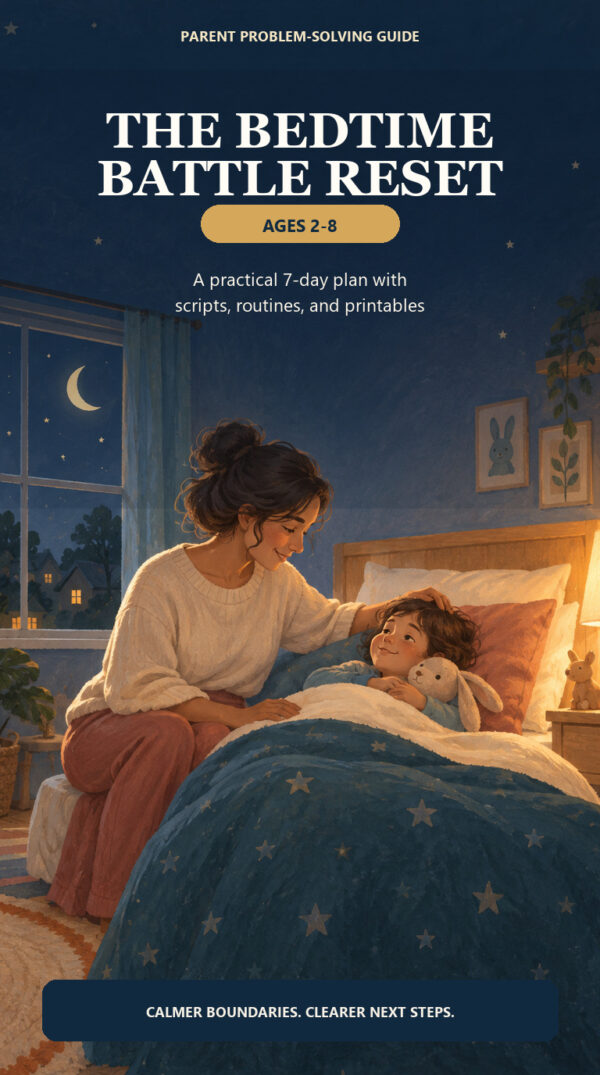
The Bedtime Battle Reset: A 7-Day Parent Guide for Ages 2-8
- Instant Downloadable & Printable PDF (Print at home or read on tablet)
- Soothing bedtime illustrations & gentle character-building moral
- Specially crafted for kids ages 3 to 8

-

The Bedtime Battle Reset: A 7-Day Parent Guide for Ages 2-8
$17.00 Add to cart -
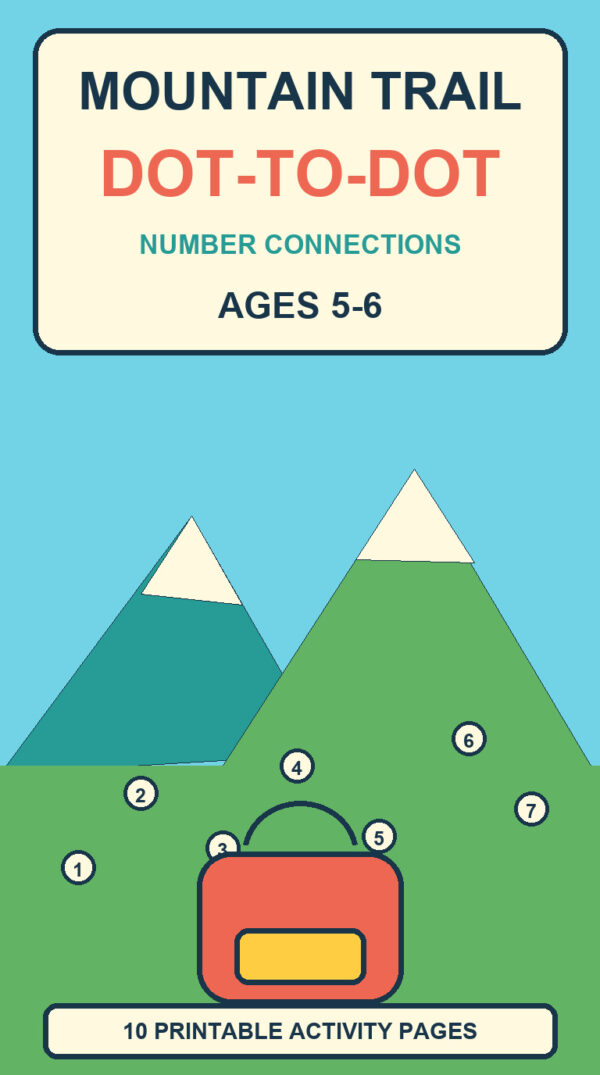
Mountain Trail Dot-to-Dot: Number Connections for Ages 5–6
$5.00 Add to cart -
Tiny Tails Baby Animal Parade – Printable Baby Animal Coloring Book for Kids Ages 3-8
$5.00 Add to cart -
Sprinkle Street Sweethearts – Printable Sweet Treat Coloring Book for Kids Ages 3-8
$5.00 Add to cart